-

Miriam Freedman – Travelling the Roads of War
Between 1939 and 1945, Miriam Freedman served with the British army and then the Canadian army. Her service exemplifies the incredible journey of many Canadian women away from the beaten path during the Second World War. Find out more in the post below!
-
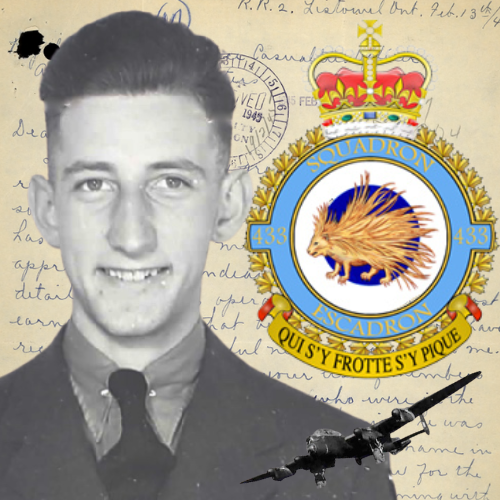
‘So it looks as if there must be some mistake’…Flying Officer Carl H. Howald
On February 4th, 1945, engine 3 of PA219, a Lancaster of the 433 Squadron (Porcupine) began its start up. The right-hand inboard Rolls-Royce V12 Merlin coughed to life, followed in succession by engines 4, 2 and finally 1. With all four propellors spinning, the Avro bomber…
-

Two Brothers, Part II: Elvin ‘Byng’ Tozer
On June 6th,1944, Operation Overlord, the largest sea-borne invasion in human history took place on the beaches of Normandy. The operation to open the western front of Europe took the form of an assault on the Nazis’ Atlantic Wall at five beaches: Gold, Juno, Sword, Omaha…
-
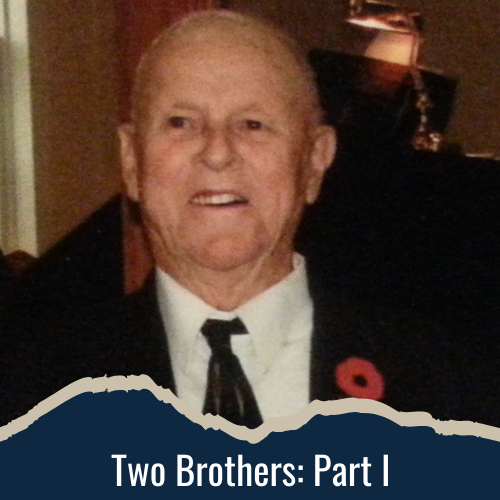
Two Brothers, Part I: Lorne Tozer
On June 6th,1944, Operation Overlord, the largest sea-borne invasion in human history took place on the beaches of Normandy. The operation to open the western front of Europe took the form of an assault on the Nazis’ Atlantic Wall at five beaches: Gold, Juno, Sword, Omaha…
-
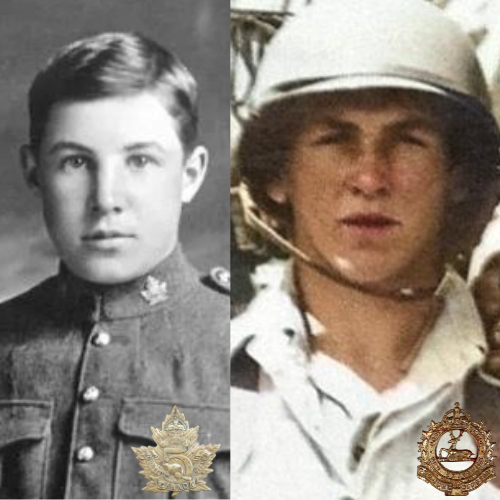
Too young, far too young: Canada and Child Soldiers
Throughout history young men and women have stepped forward to answer their country’s call. In an unfortunate number of conflicts both past and present, very young children have been used as foot soldiers. For Canada, however, in both world wars, there were clear rules about who…
-
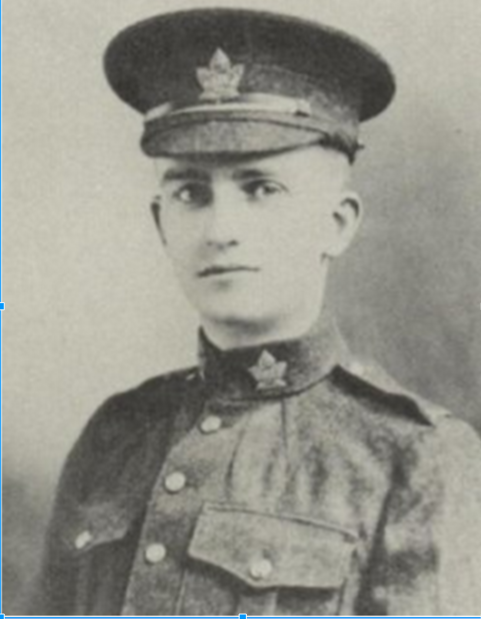
The Tragedy in Triumph: John GW Gibson
On April 9, 1917, a battle began that would become part of Canada’s national narrative. On that day all four divisions of Canadian Expeditionary Force (CEF) began their assault on the heavily fortified Vimy Ridge. The units had been preparing for months. The artillery was carefully…
-
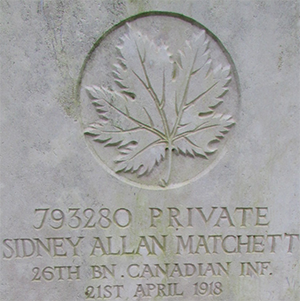
1.7 Million Commemorations
With the Armistice to end the Great War, there came the question: what now? The entire population of the British Empire had contributed to “total war”. Massed armies, mass equipment and mass casualties created unique challenges. In the past, most enlisted soldiers had been buried in…
-
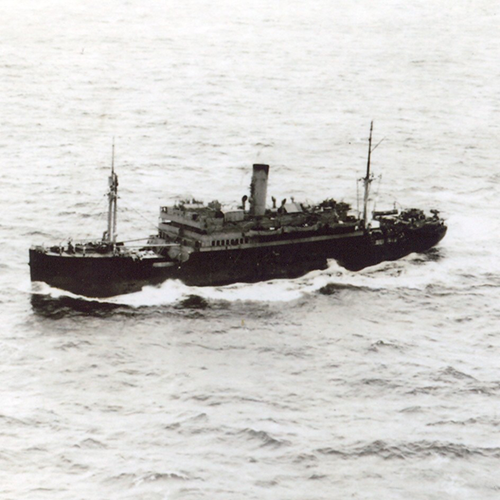
The Lost Ship: SS Nerissa
Most of us have never heard of the SS Nerissa. She is an obscure ship named after an equally obscure character from the Merchant of Venice. A small passenger and cargo steamer with a re-enforced hull purpose built to deal with possible ice. Commissioned by the…
-

Bundy, Hansen, Janjua and Negraeff: Four remarkable stories from Aviation Nation
Members of the Royal Canadian Air Force (RCAF) have greatly contributed to the aviation field both in Canada and around the world. In collaboration with the RCAF Foundation, Honouring Bravery and Je Me Souviens would like to share some of these stories with you. If you…
-

Age is just a number: Avoiding age requirements during First World War enlistment
During the First World War, thousands of Canadians went to their local recruitment office to enlist. However, not everyone was eligible to join. The Canadian Expeditionary Force had specific requirements on what made a soldier fit for service. One requirement that stopped many individuals was age.…
-
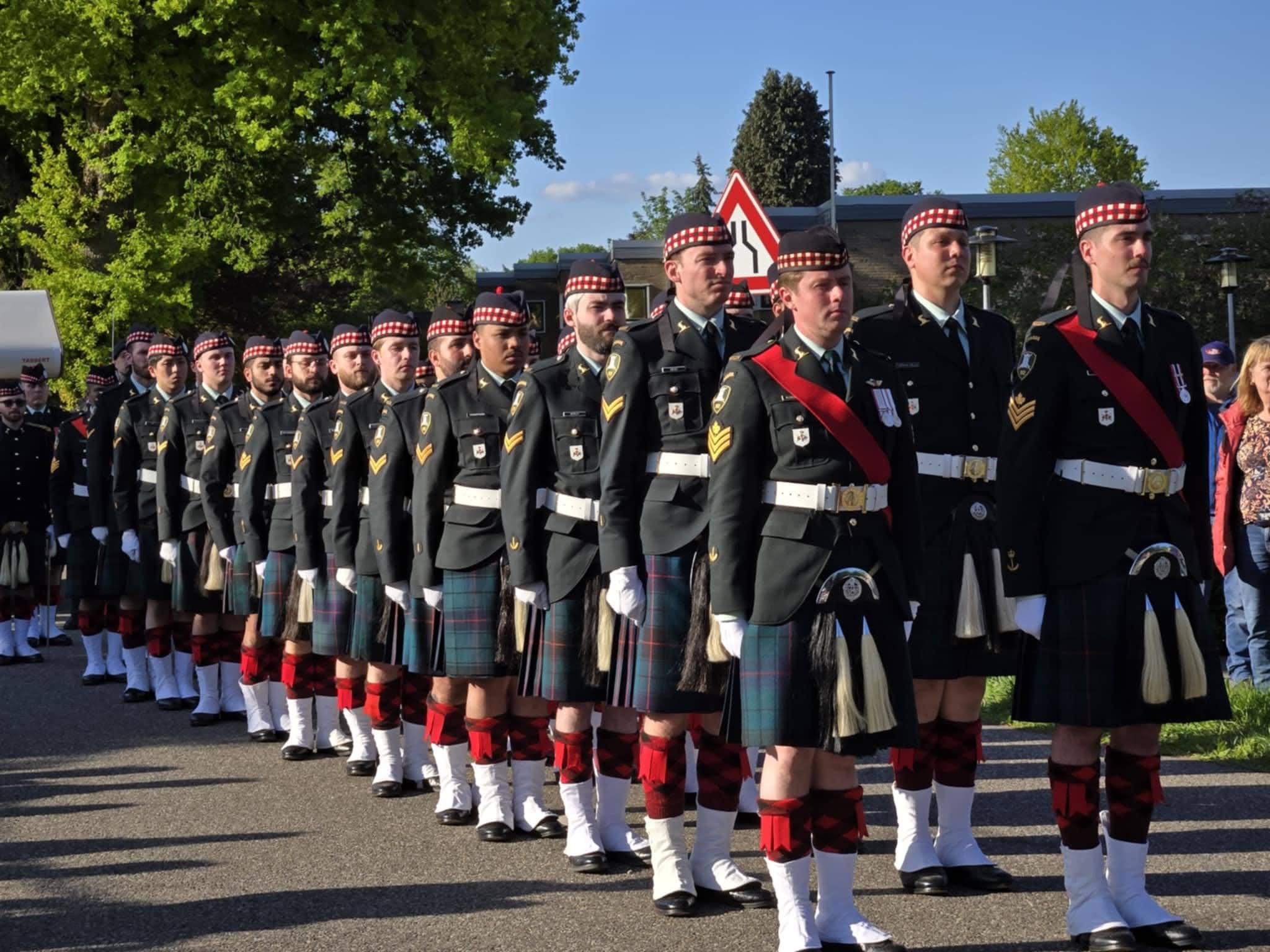
A Modern 48th Highlander’s perspective: Visiting the Netherlands on the 80th Anniversary of the Liberation of Apeldoorn
We are proud serving members of the 48th Highlanders of Canada. We know the names of our fallen forefathers now buried in Holten War Cemetery. We learned about the regiment’s role in Operation Cannonshot and their crossing at Ijssel. We read of the mad 200-yard crawl…
-

The 48th Highlanders and Operation CANNONSHOT
The 48th Highlanders were part of Operation CANNONSHOT, the operation to cross the Ijssel River and free the city of Apeldoorn. In broad strokes, the 2nd Canadian Corps would advance first. They proceeded north and east, with the Ijssel River on its western flank. With the…
-

Clarence David Lapierre – Paratrooper, 1st Canadian Parachute Battalion
Clarence David Lapierre was one of the first soldiers to land in France during the Second World War as a paratrooper with the 1st Canadian Battalion. However, many people are still unaware of the role that Canadian paratroopers played in the war’s largest landing assault.
-

The 107th Battalion (Timber Wolf)
Thousands of Indigenous, Métis and Inuit people enlisted in the Canadian army during the Great War. In Europe, many of these men were scattered from one unit to another. In 1915, however, the Canadian government authorized the creation of a dedicated unit for indigenous people: the…
-
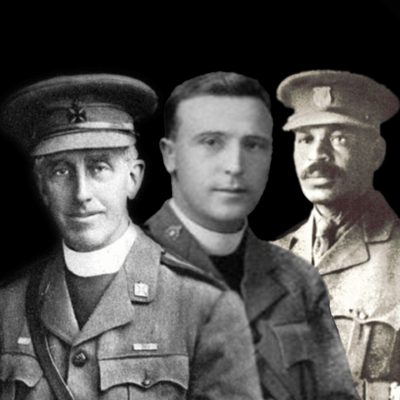
Honorary Captains
In the Great War we have a tendency to focus on the men with weapons performing heroic deeds and facing the enemy. Our reminisce forget there were other people besides combatants in the War. The Canadian Army Service Corps (CASC), Canadian Forestry Corps (CFC), Canadian Army…
-
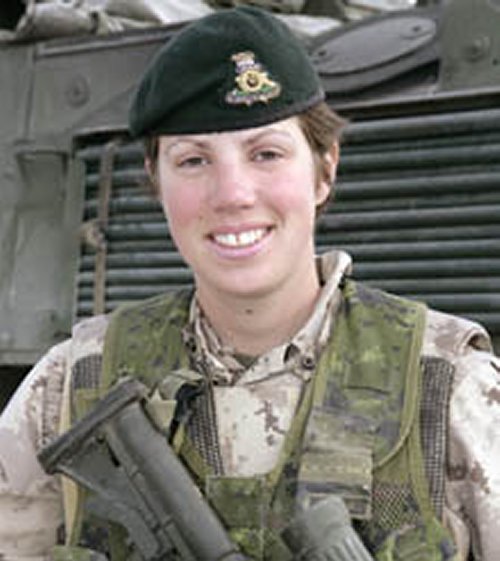
Three Firsts: Captain Nichola Goddard, MSM
On May 17, 2006, Canadian and Afghan National Army (ANA) forces were engaged in a firefight in the Panjwaye District. The Battle of Bayanzi resulted from their mission to secure part of southern Kandahar against a possible Taliban assault. As the units moved in to capture…
-
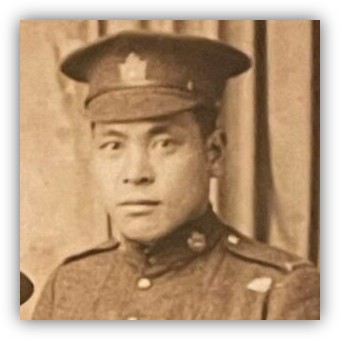
Twice Sacrificed – Unaccounted Loyalty
Private Nuinosuke Joseph Okawa enlisted for the First World War in 1916 and fought at the Battle of Vimy Ridge. Although he proved his loyalty to Canada, his military service did not prevent him from the effects of the anti-Japanese policies of the Second World War.…
-

Regiment in the Rhineland: The Queens Own Rifles in Operation Blockbuster
The Queens’s Own Rifles were among the regiments that took part in Operation Blockbuster. As part of the 3rd Canadian Division, they played a significant role in clearing the Rhineland of German troops. However, German forces would not leave the Rhineland without a fight and the…