One of Canada’s most important and still-standing remnants of World War Two faces an important fight for its future. The Battle of Bowmanville in October 1942, fought in a one-time boys training school, is often cited as the only entanglement of World War Two disputed on North American soil. Today the buildings that make up the site of the battle are derelict. They do, however, have strong bones which make refurbishing and re-purposing eminently doable.
Over the years the Battle of Bowmanville, which took place in today’s Municipality of Clarington, just east of Toronto, has attained an almost comic identity. This is an error. The battle most likely saved hundreds of Canadian lives as well as those of other allies.
In response to Churchill’s edict, the shackling of POWs was undertaken in Bowmanville. This was not well received by the inhabitants. They rioted. Lacking weapons, they resorted to anything at hand, from cleaning equipment to jars of food. The camp’s guardians were often aging veterans of the First World War and were unable to stem the uprising.
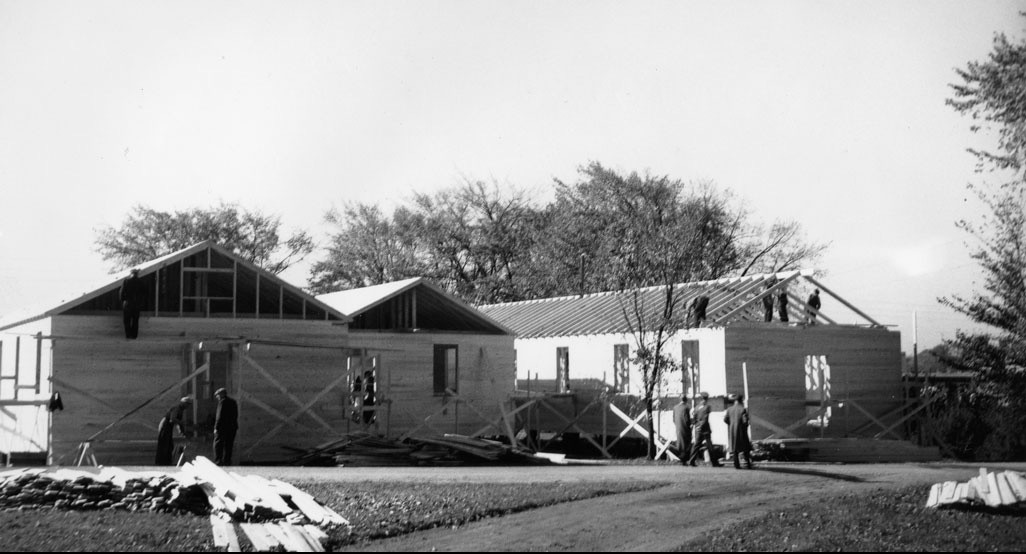
The latter had been a boys training school set up by the Ontario government in 1924 on land donated by John Jury to house, and hopefully reform, young boys who had run afoul of the law. Designed in the prairie architecture style of the day, the training school became an internment camp for higher-ranking German POWs shipped from Europe.
Until then each party had enjoyed a somewhat tranquil co-existence. German prisoners were allowed to walk to the nearby Lake Ontario for a swim, having pledged an “ehrenwort”, which roughly translates as their word of honour not to escape. And they didn’t. For their part, the Canadian overseers were generous on several fronts. British historian Bob Moore has written that the best place in the world for a POW was in Canada, where, unlike in other internment camps, they actually put on weight. In addition, POWs were provided with opportunities to organize internal sports competitions and to complete university courses.
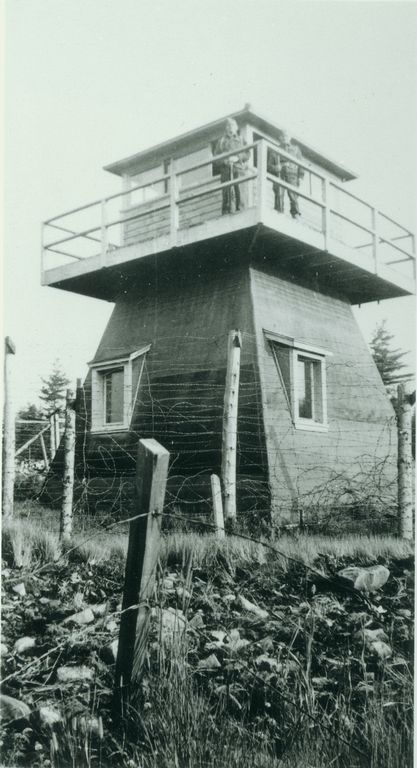
The Battle of Bowmanville was precipitated by several events, amongst them the unsuccessful August 1942 Dieppe raid, led by an Allied force largely made up of Canadians. Allied prisoners were shackled by their German captors and, in response, British Prime Minister Winston Churchill ordered a similar fate for German Prisoners of War (POWs). Those POWs were confined throughout Canada and the United States in prisons, forts and repurposed buildings. Two notable sites in Canada were Kingston’s Fort Henry and Bowmanville’s Camp 30.
The Battle of Bowmanville threatened this somewhat idyllic existence, however, particularly after Canadian troops intervened to support the overwhelmed guardians. At this point many things could have gone wrong. Even one dead German officer would have had serious implications for Canadian and Allied prisoners in Europe, where the Nazis routinely punished partisan activity with mass murder when one German soldier was killed. The POWs interned in Bowmanville were quite high-ranking, so the response would have been even more deadly.
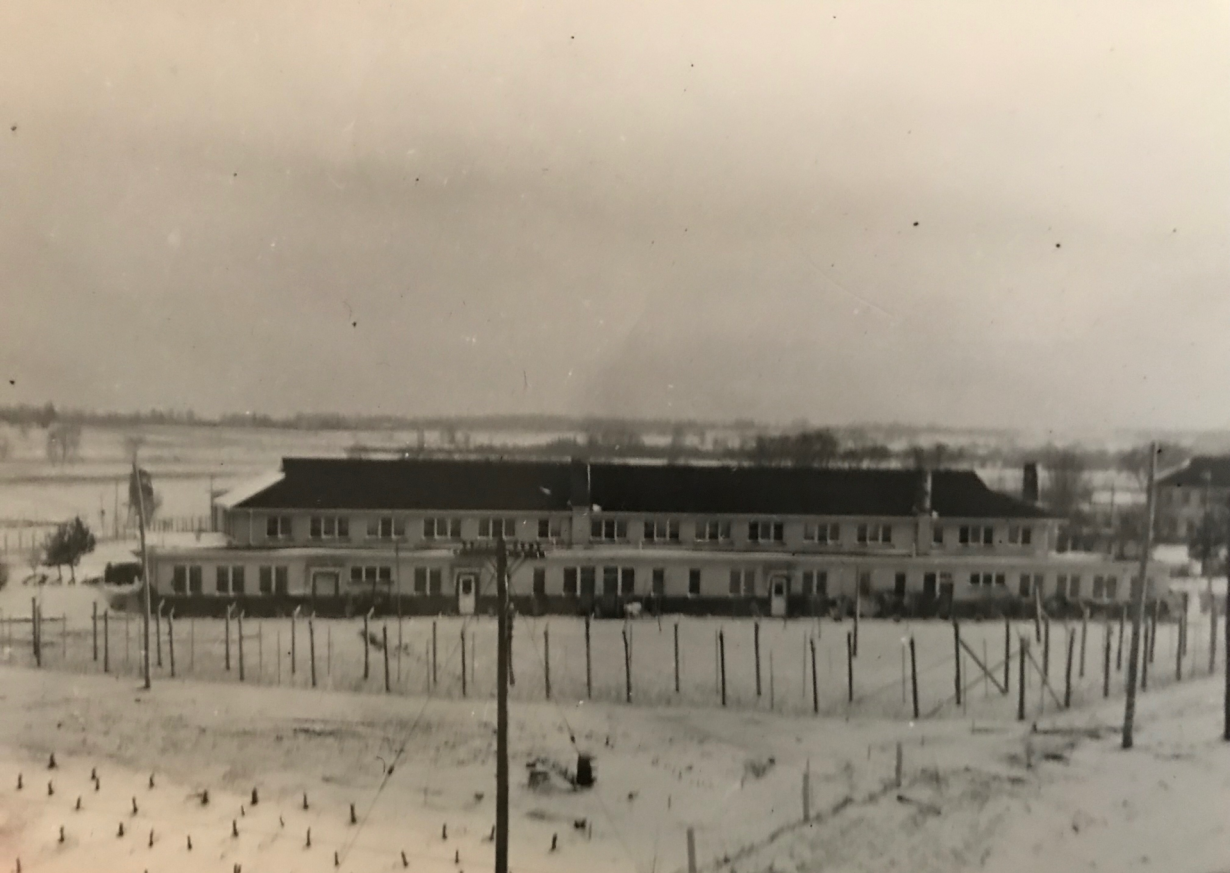
Whether through deliberate consideration of the consequences, or simply through clumsy, but successful, management of the insurrection, the riot was put down without casualty aside from one Canadian who suffered a headache when a jar of strawberries was thrown at his head. A somewhat uneasy peace was established when the Canadian guards indicated that, while some shackling would have to continue, they would discreetly leave a key behind so prisoners could undo the locks.
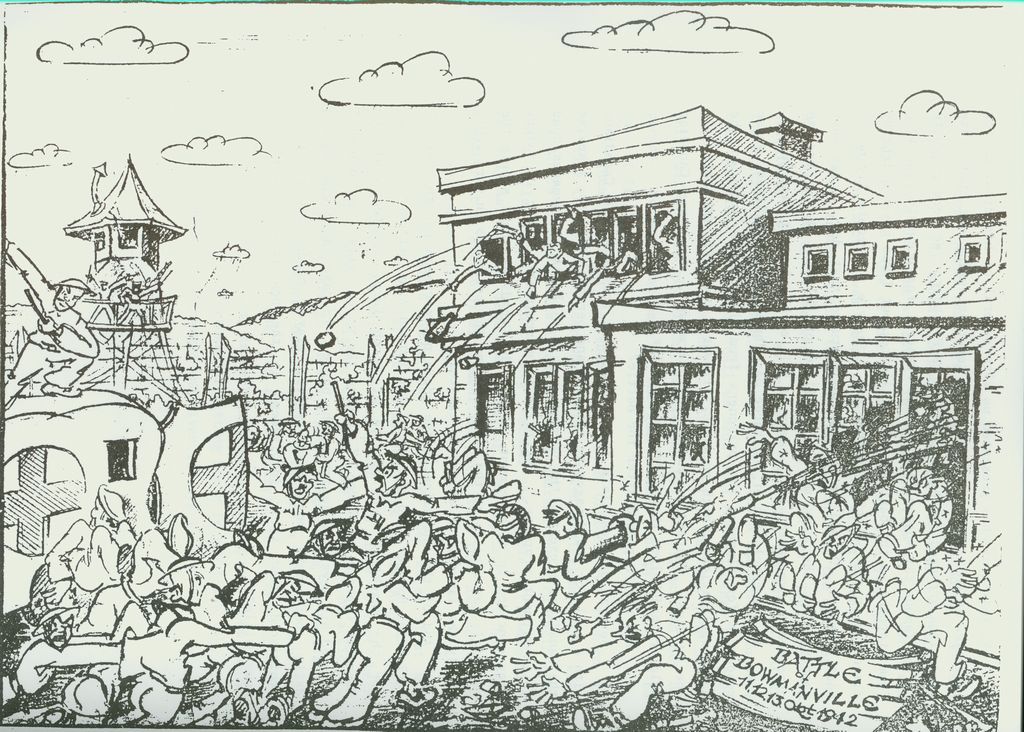
The Battle of Bowmanville, which even reached the pages of TIME magazine, thankfully had a rather benign ending. The opposite, however, could have been true. Had it spun out of control, the consequences would have been catastrophic, particularly for Canadian POWs in Europe.
The Battle of Bowmanville exemplifies common sense, restrained response, and able negotiation and is perhaps the most important war site still standing in Canada. It is now a challenge for all Canadians to support its restoration so that the site can continue to celebrate this amazing demonstration of our country’s unique character.
Article written by William Humber. For more information on efforts to preserve Camp 30, visit the Jury Lands Foundation