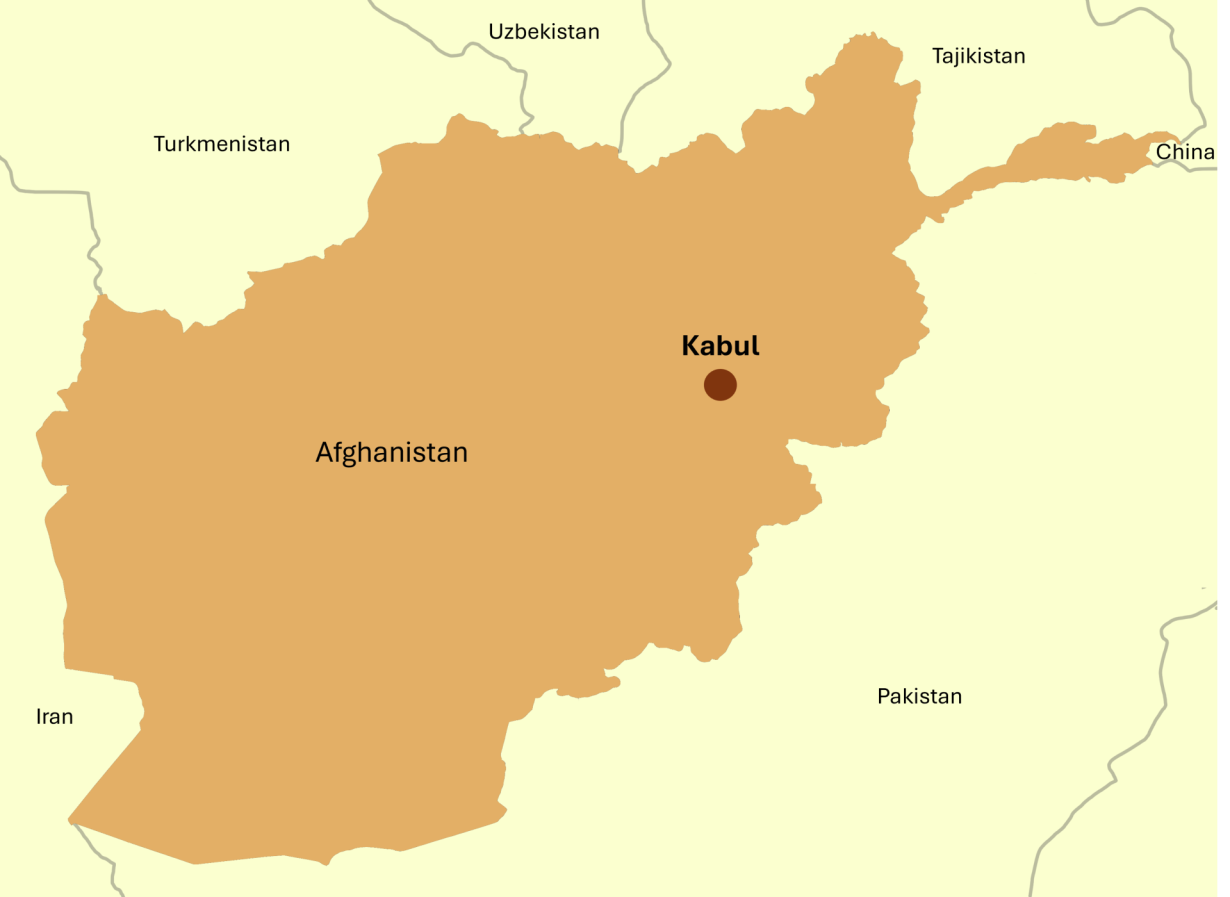
Kabul
The War in Afghanistan began on October 7, 2001, with American troops landing in Afghanistan. Canada provided support from other bases in the Middle East from the very beginning and Canadian special forces joined the fight on the ground in December 2001. After only two months, Al-Qaeda had fled to Pakistan and the Taliban was reduced to small pockets of resistance, many having fled to remote areas to regroup and rebuild.
The third battalion of the Princess Patricia’s Canadian Light Infantry (PPCLI), arrived in early 2002 and fought under U.S. command, helping to clear pockets of resistance from their strongholds. Both the Royal Canadian Navy and the Royal Canadian Air Force also deployed in 2001 and 2002 to support operations, transport troops, evacuate injured soldiers and assist with resupply missions.
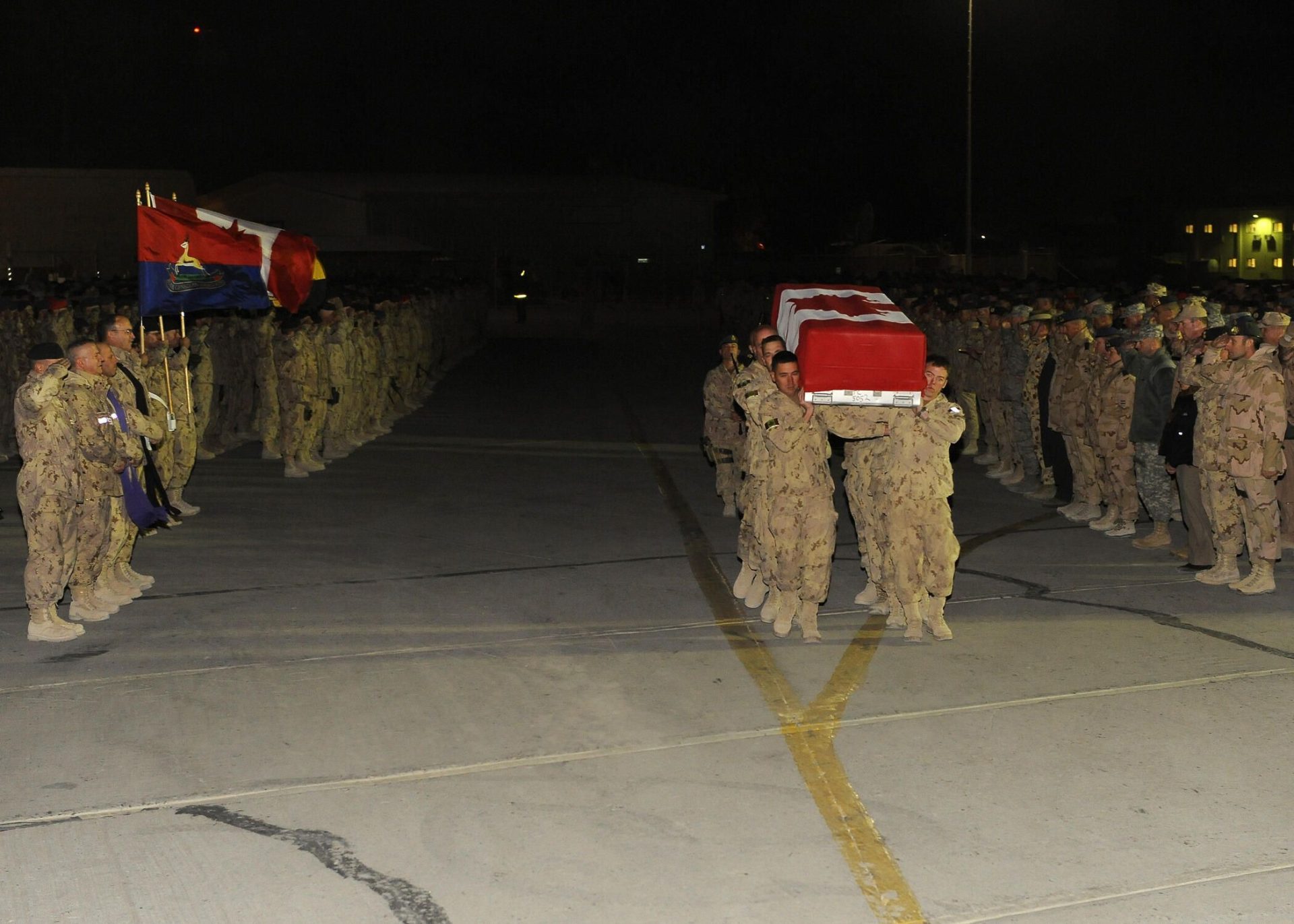
On April 17, 2002, members of the 3 PPCLI were training at Tarnak Farm, south of Kandahar City. Nearby, two U.S. F-16s were patrolling in the air. The pilots mistook the Canadian firing practice for enemy fire and dropped a bomb. Four Canadians were killed and eight were injured. These were the first Canadian casualties of the war.
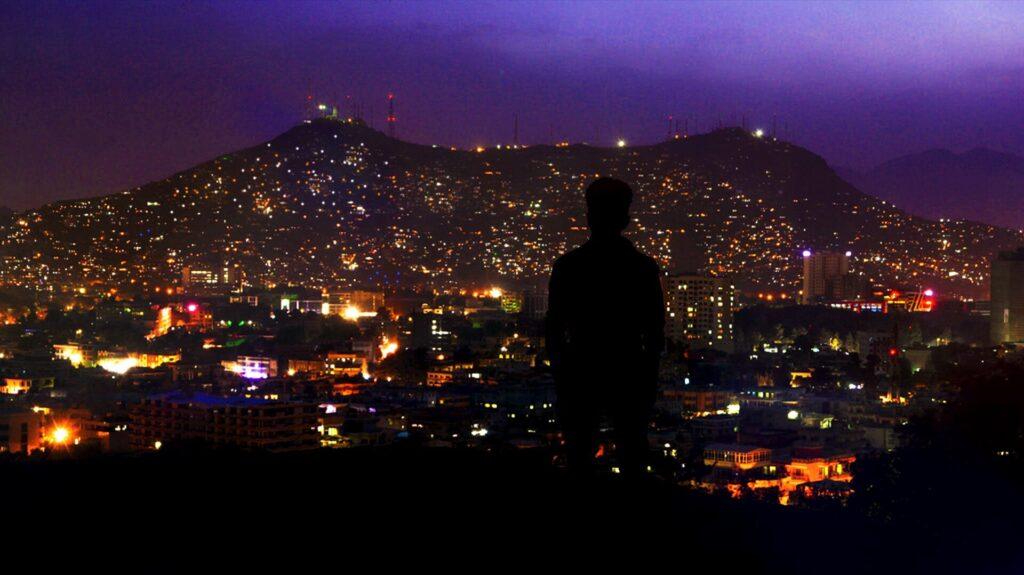
Canadian forces arrived in large numbers in Kabul in 2003 under the NATO-led International Security Assistance Force (ISAF) mission. Kabul, the capital city of Afghanistan, was much more religiously and socially liberal than most other places in the country, and was thus far more welcoming to foreign forces.
Canadian Operations in Afghanistan
Whereas in World Wars I and II, Canadian soldiers would deploy with their unit and remain overseas for long stretches of time, Canadian Armed Forces members deployed to Afghanistan in rotations. Each rotation was structured around a battlegroup— a military grouping that is custom-tailored to the situation at hand. A battlegroup can contain, for example, infantry, armoured units, engineers and other specializations in varying quantities. Most of the battlegroup would be formed from one of Canada’s three regular force infantry regiments, but some roles were filled by reservists. Separate from the battlegroup was the Provincial Reconstruction Team, which included Psychological Operations (PSYOPS) and Civil Military Cooperation (CIMIC), among others. PSYOPS and CIMIC are both “influence activities,” which are intended to win the “hearts and minds” of the civilian population, and to gain their support. PSYOPS does this through messaging and communications, whereas CIMIC does so through concrete actions.
Another important group was the Operational Mentor Liaison Teams
(OMLTs, pronounced omelettes). The OMLTs, which included both army
and police personnel (P-OMLTs), were responsible for observing,
mentoring and training the Afghan National Army and Afghan National
Police, an important part of NATO’s mission in Afghanistan. They also
acted as a liaison with ISAF forces, ensuring that plans and actions were
aligned. The OMLT teams, usually two or three Canadians, worked closely with Afghan National Army units and lived alongside them.
Think: Why do you think influence activities were an important part of Canada’s mission in Afghanistan?
From 2003 to 2005, Canada provided Infantry battlegroups to aid the ISAF mission in Kabul. In rotation, Canada’s regular force infantry and armoured regiments would provide the majority of personnel, who would deploy for periods of 6 to 9 months.
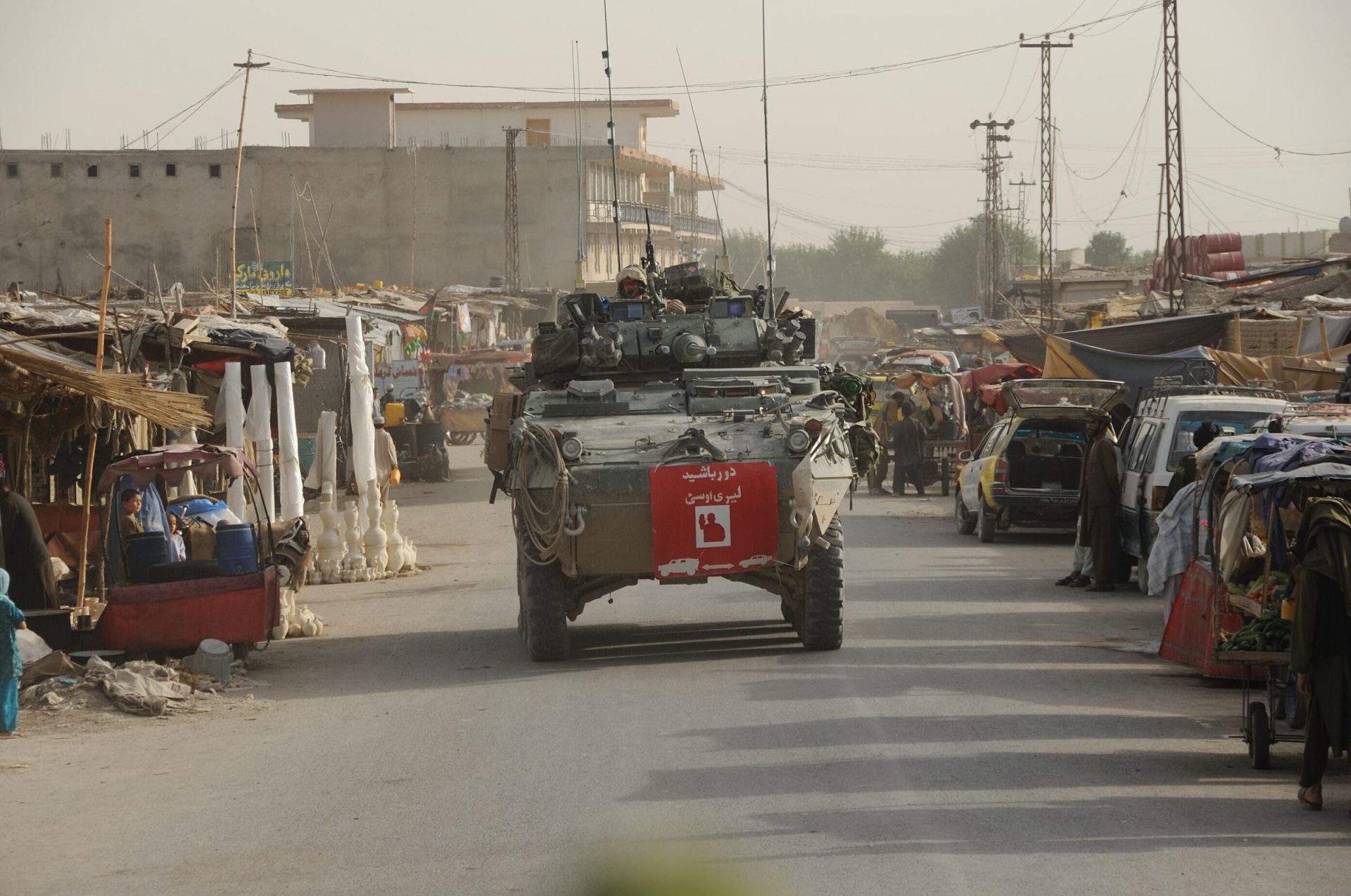
Kabul was still precarious after the recent overthrow of the Taliban, and Canadians deployed in Kabul played an important role in establishing and maintaining security in the capital and surrounding regions. They patrolled on foot and in vehicles, conducted surveillance missions on suspected enemy combatants and seized caches of weapons. Another key means of establishing security was to help rebuild the city.
An important part of ISAF’s mandate was to assist in the organization of Afghanistan’s first election since the fall of the Taliban. After the initial US-led mission removed the Taliban in 2001, a transitional government was put in place under the leadership of Hamid Karzai. Karzai was then officially elected in 2004. International forces helped to ensure a secure environment and worked with the new government on projects aimed at improving the quality of life in a country that had been devastated by decades of war.

In Afghanistan, small PSYOPS units were attached to NATO combat battalions. They would work with their battalion to support their needs in combat and would also work to execute their own specific PSYOPS plans and objectives. These units were usually composed of 5 to 6 people, some of whom were tasked with talking to locals and others who watched for and assessed non-verbal cues. They brought their observations back to Headquarters where analysts could create an informed portrait of the needs and interests of the population.
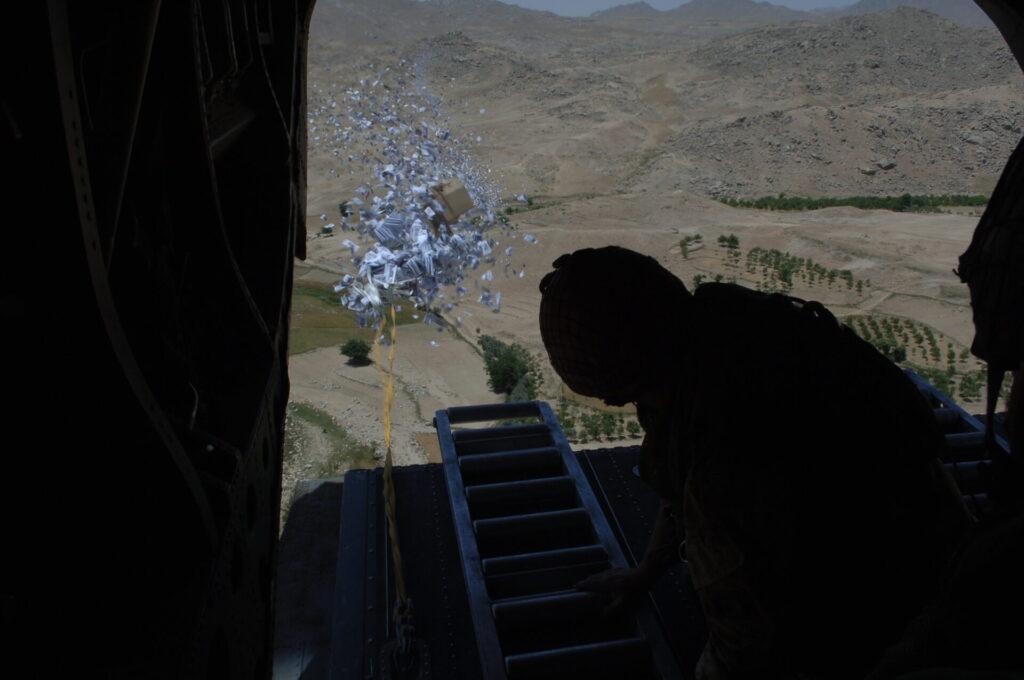
The main communication methods used by PSYOPS were radio broadcast, leaflet distribution (sometimes via air-drops) and face-to-face meetings. PSYOPS teams always kept specific goals in mind when planning their communications.
Long-term support-building programs
In addition to combat support, PSYOPS teams hoped that helping to provide education and promoting democracy would build a basis for long-term stability and support for the Afghan government. They distributed hand-crank radios and provided locals with access to suggested stations, such as local stations where they had contacts and to NATO’s and US forces’ own stations. PSYOPS also developed the Radio Literacy Program which promoted education in rural areas and instilled a positive image of the Afghan government and what it was doing for the country.
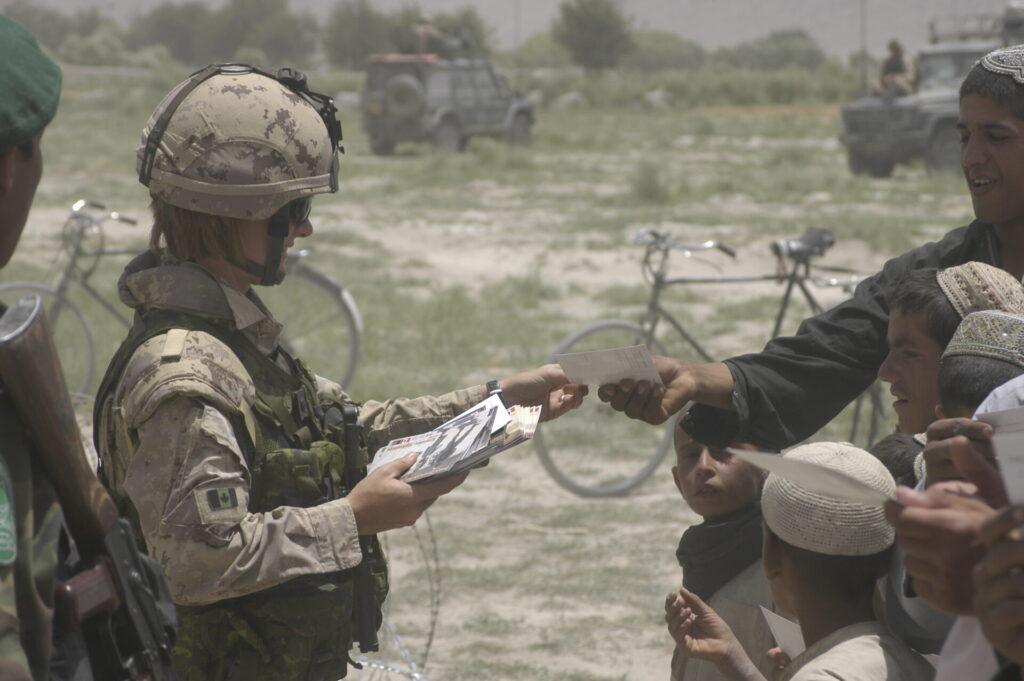
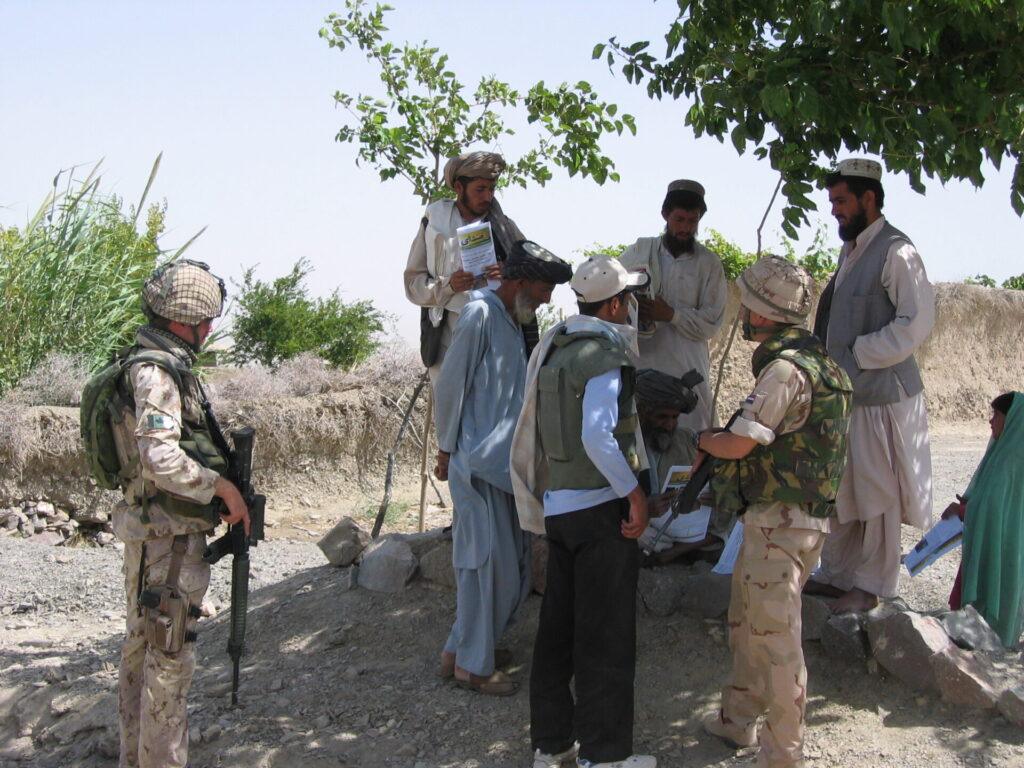
Civil-Military Cooperation (CIMIC) is another type of influence activity. CIMIC units work with local leaders, businesses and non-governmental organizations to build relationships with and provide assistance to the local population.
Building relationships with locals and working on humanitarian aid projects was intended to help the population to better understand the military presence and potentially to see the armed forces as allies. CIMIC teams assess the needs of the local population and how resources can be distributed to both improve the local quality of life and support ISAF’s needs. While in Kabul, Canadian CIMIC teams worked on hundreds of projects. For some projects, contracts were awarded to local businesses to complete the work, thereby creating jobs and forming connections.
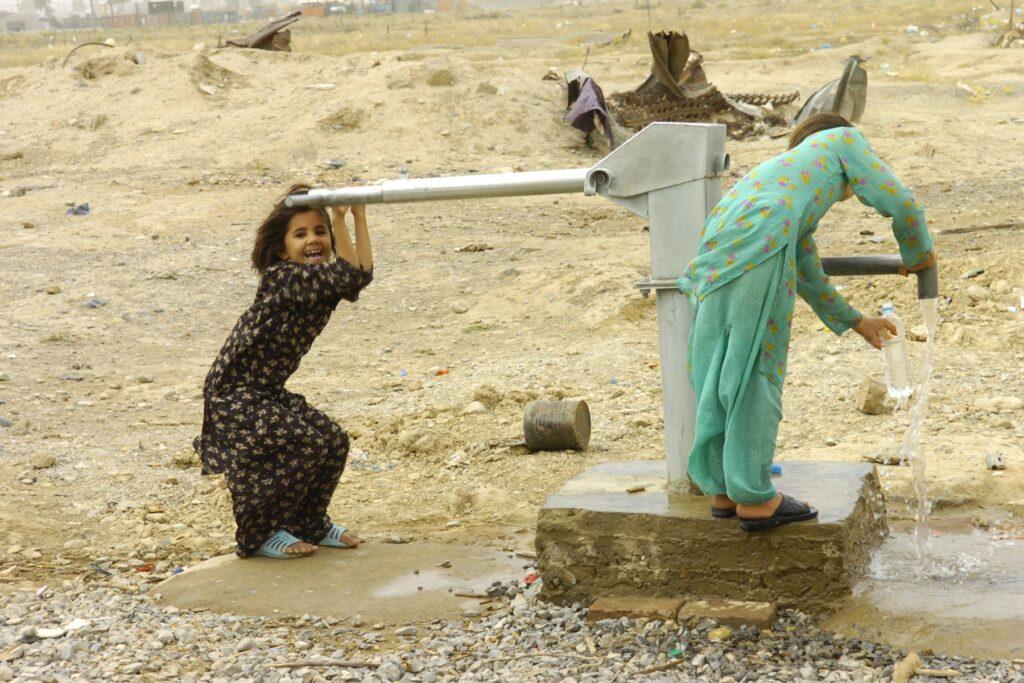
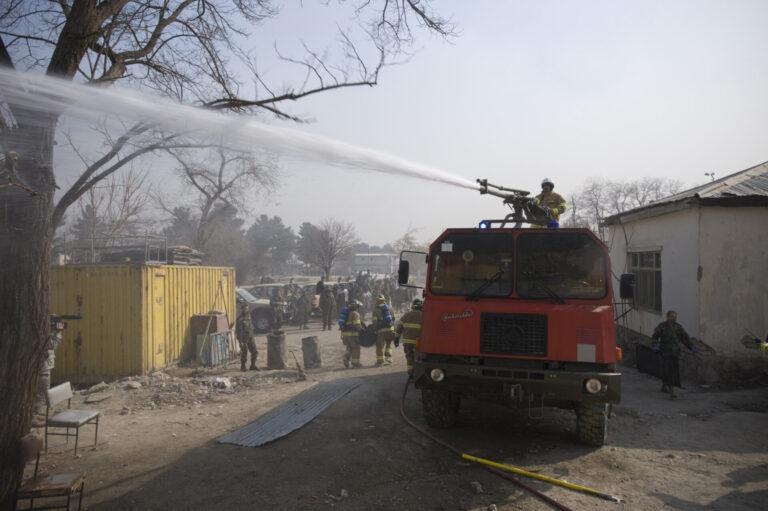
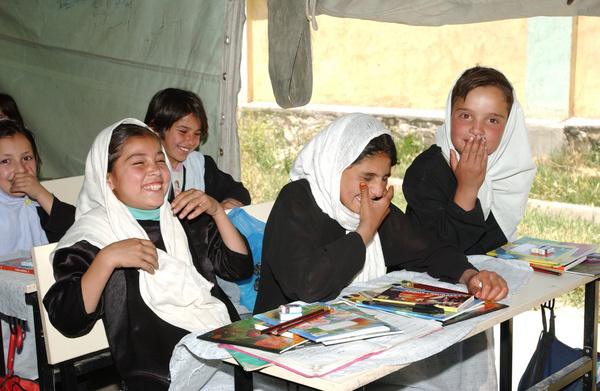
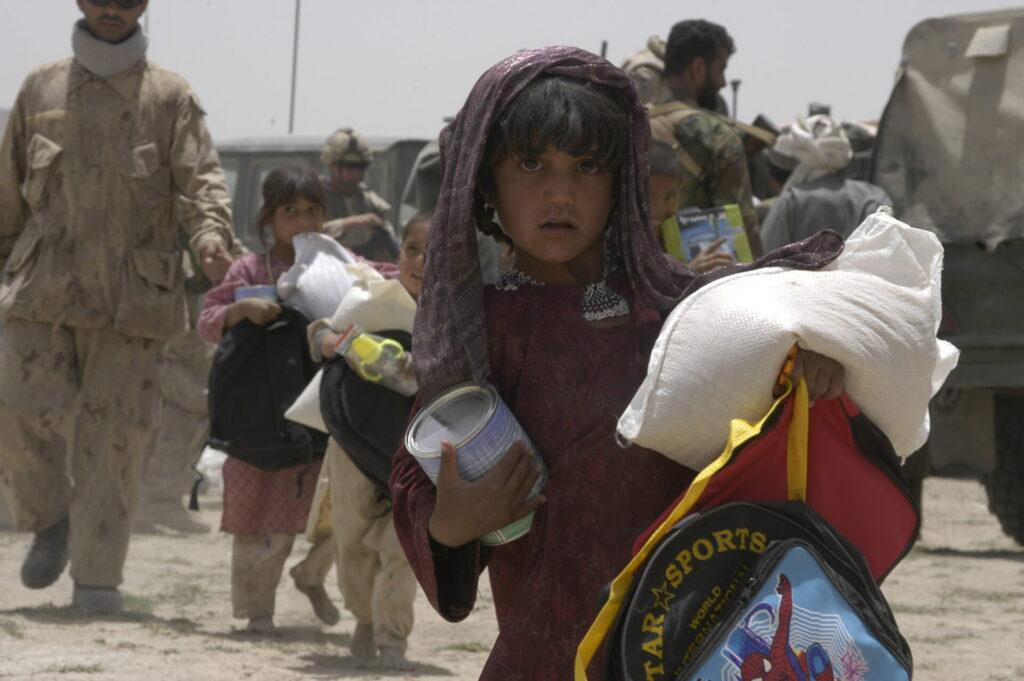
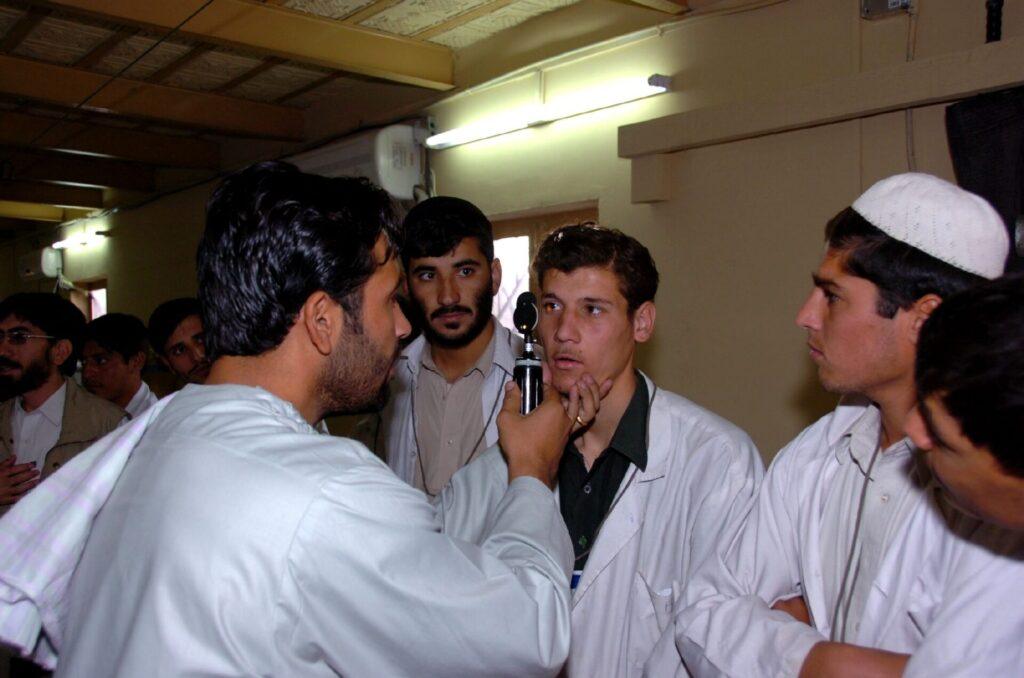
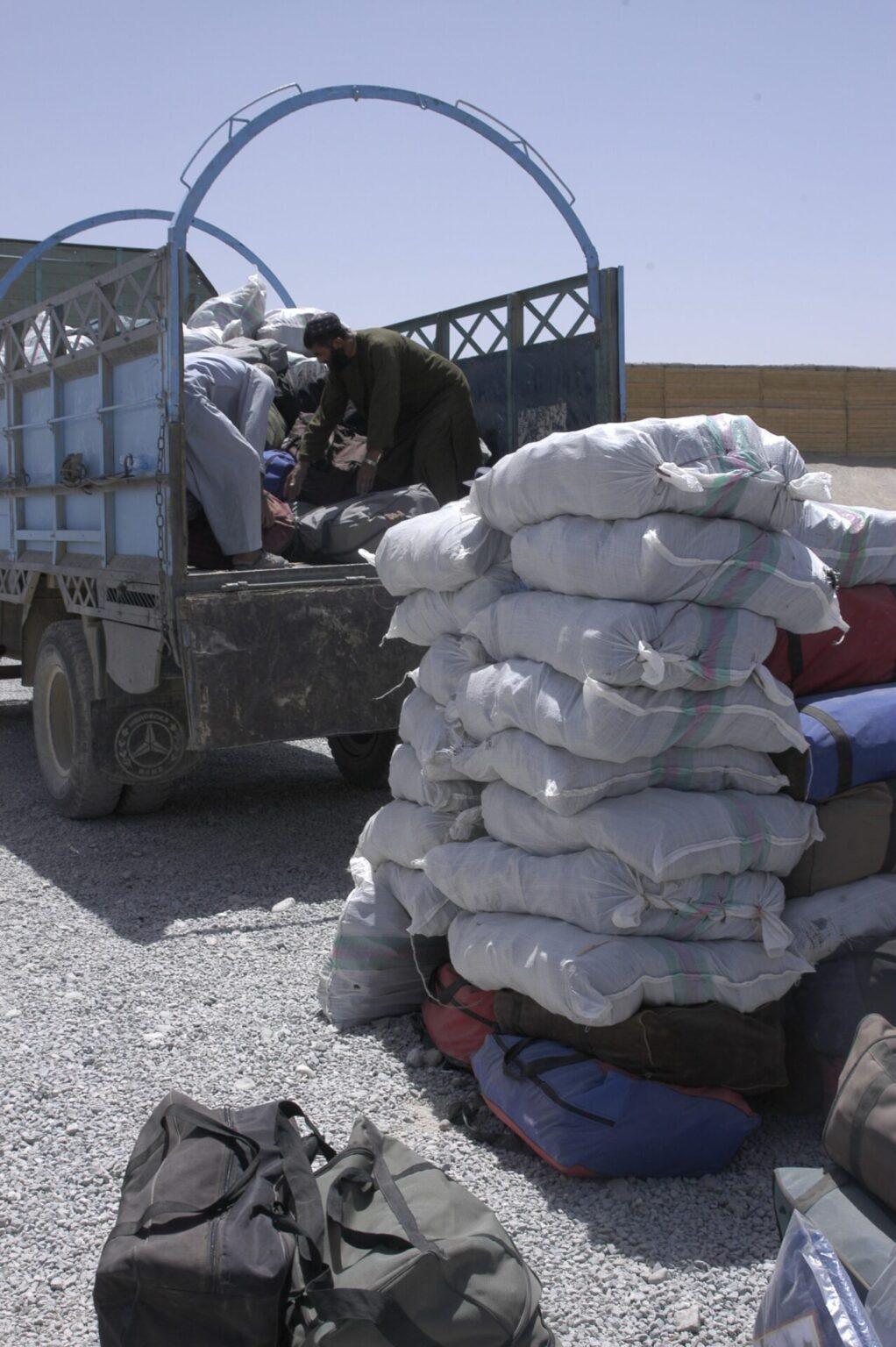
Examples of quick impact projects include: building wells and providing access to drinkable water, providing medical supplies to clinics, delivering supplies to schools, repairing roads, implementing sanitation projects, advising on agricultural questions and assisting the local government. Larger development projects provided access to important services for a large number of people and included building roads, fire stations, hospitals and schools. Canada was also developing long-term aims, including improving literacy and access to education, particularly for girls, the eradication of polio, and the completion of a ring road in Afghanistan.
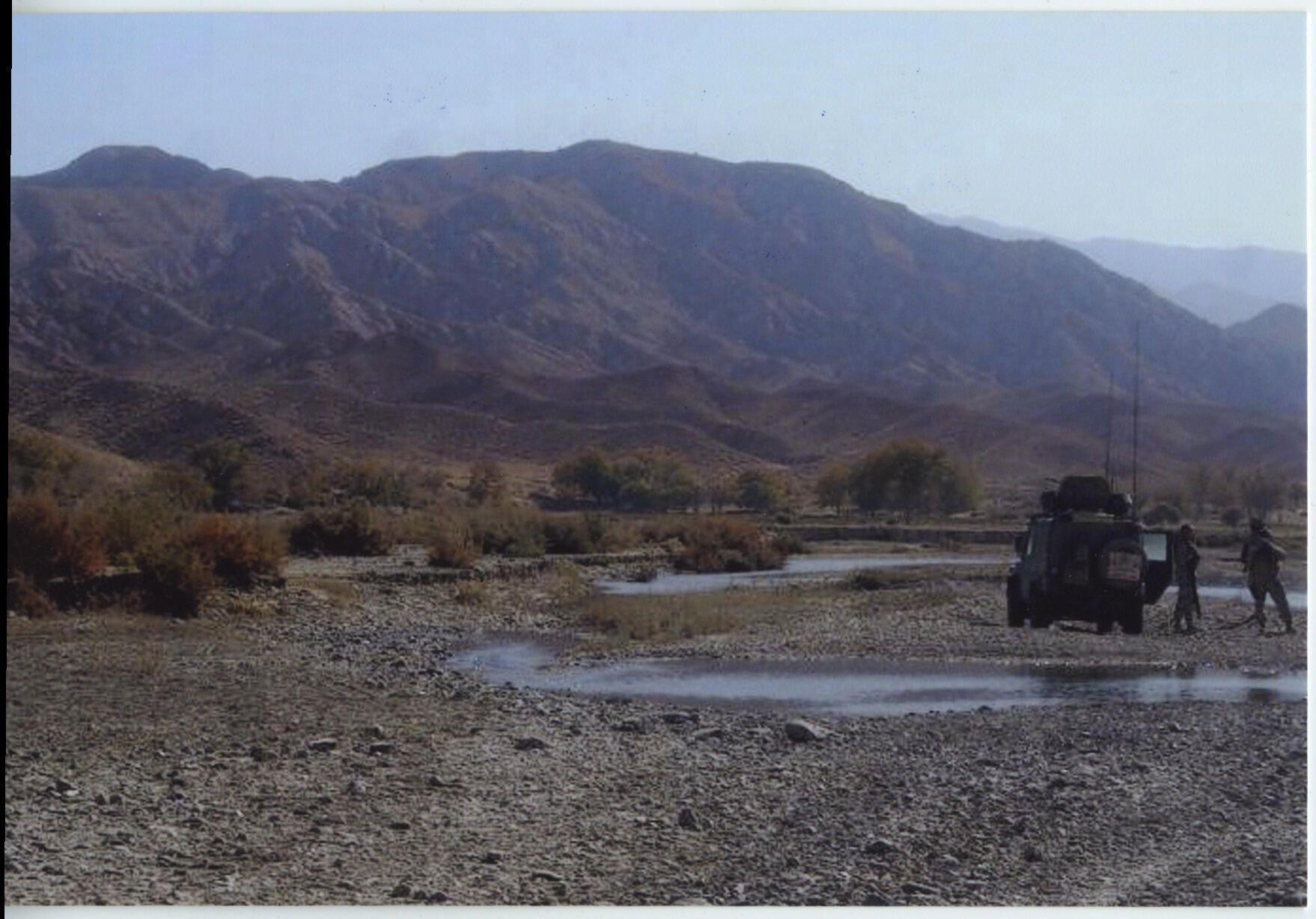
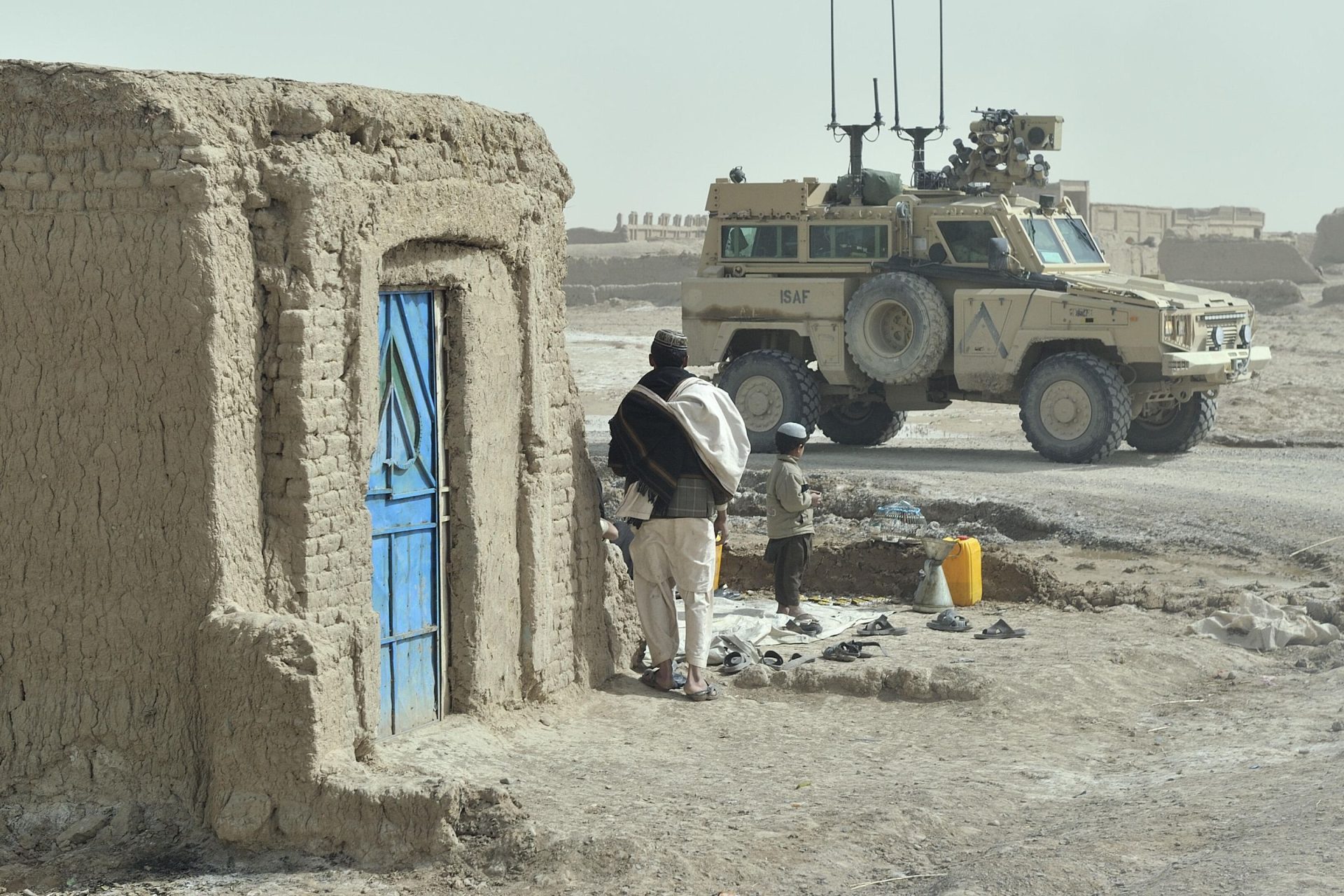
Explore: Look at the images below that relate to CIMIC activities of the Canadian military. Why do you think the military chose these activities? How might they have impacted local communities?
Regular Forces and Reservists
When Canada sent forces over to Afghanistan, it filled each rotation with soldiers from the regular forces, who work full-time for the military. Because Canada remained involved in the war in Afghanistan for so many years, some regular force members ended up deploying multiple times to Afghanistan, with some going on as many as three or four times.
When a regular force unit was deployed, those in the unit were required to go. Some positions, however, remained open due either to the need for specialists or to lack of personnel. Reservists, who work part-time for the military and usually hold civilian jobs or go to school, could volunteer and apply for these positions. When a reservist was added to a mission, they were called an “augmentee”. Reservists, therefore, volunteered to serve in Afghanistan. They made up about 25% of the soldiers deployed. Many developed special skills and areas of expertise that helped them qualify for a mission. Reservists were heavily deployed in Influence activities.
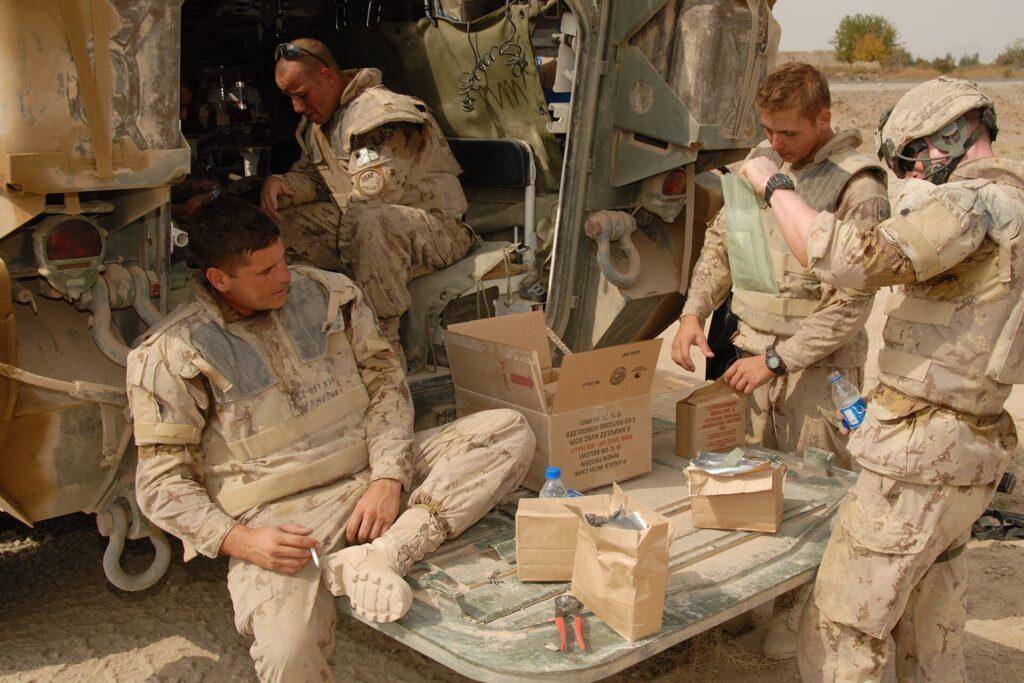
Exhibit title