Kandahar
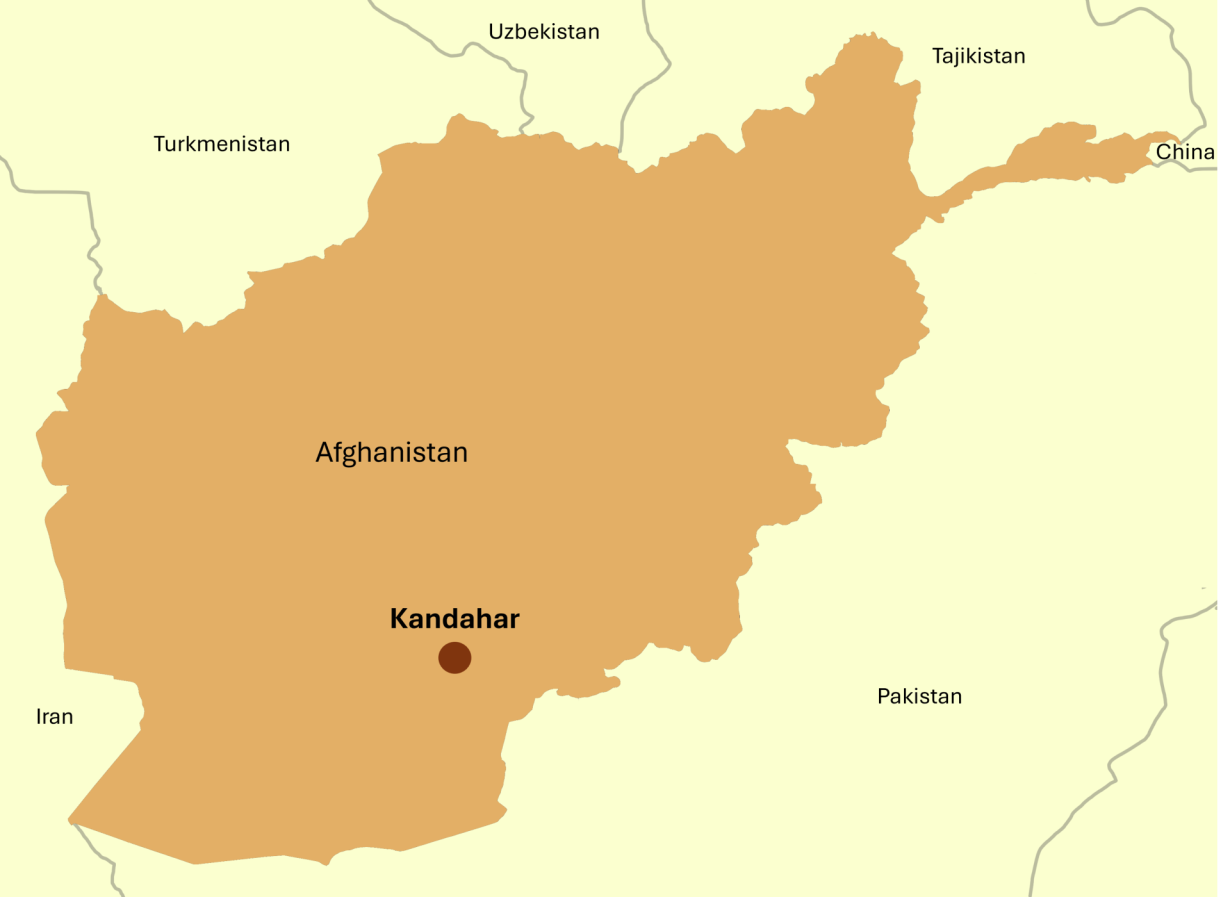
At the end of 2005, the Canadian forces moved from the relative security of Kabul to Kandahar. By this time, ISAF had assumed control of security forces throughout Afghanistan and each participating NATO nation took on the security and reconstruction of a different Afghan province. Canada was assigned to Kandahar, home to the former Taliban capital and right over the border from Pakistan, where most of the remaining Taliban had fled. There they encountered a much different situation from Kabul: the local populace was suspicious and hostile, and the Taliban were determined to take back their stronghold. The nature of the Canadian forces mission in Kandahar was much different than it had been in Kabul. It was a combat mission.

Combat
Counter Insurgency
The Taliban, mostly Pashtun, had originally begun their movement in Kandahar and maintained strong ties with some of the Pashtun tribal groups there. Relations with the locals in the region were, therefore, more strained and hostile than they had been in Kabul. Around 2006, at the same time as the Canadians were arriving in Kandahar, the Taliban were regrouping and launching an attempt to take back Afghanistan. They infiltrated villages and developed strong points, a type of small defensive base, in and around Kandahar City. Despite the proximity of the Canadian bases, the Canadian soldiers out on patrol found themselves increasingly under attack. The Taliban fought mostly using guerrilla warfare tactics while hiding amongst the local population. Improvised Explosive Devices (IEDs), placed along routes taken by soldiers, and suicide bombers were responsible for the majority of Canadians killed.
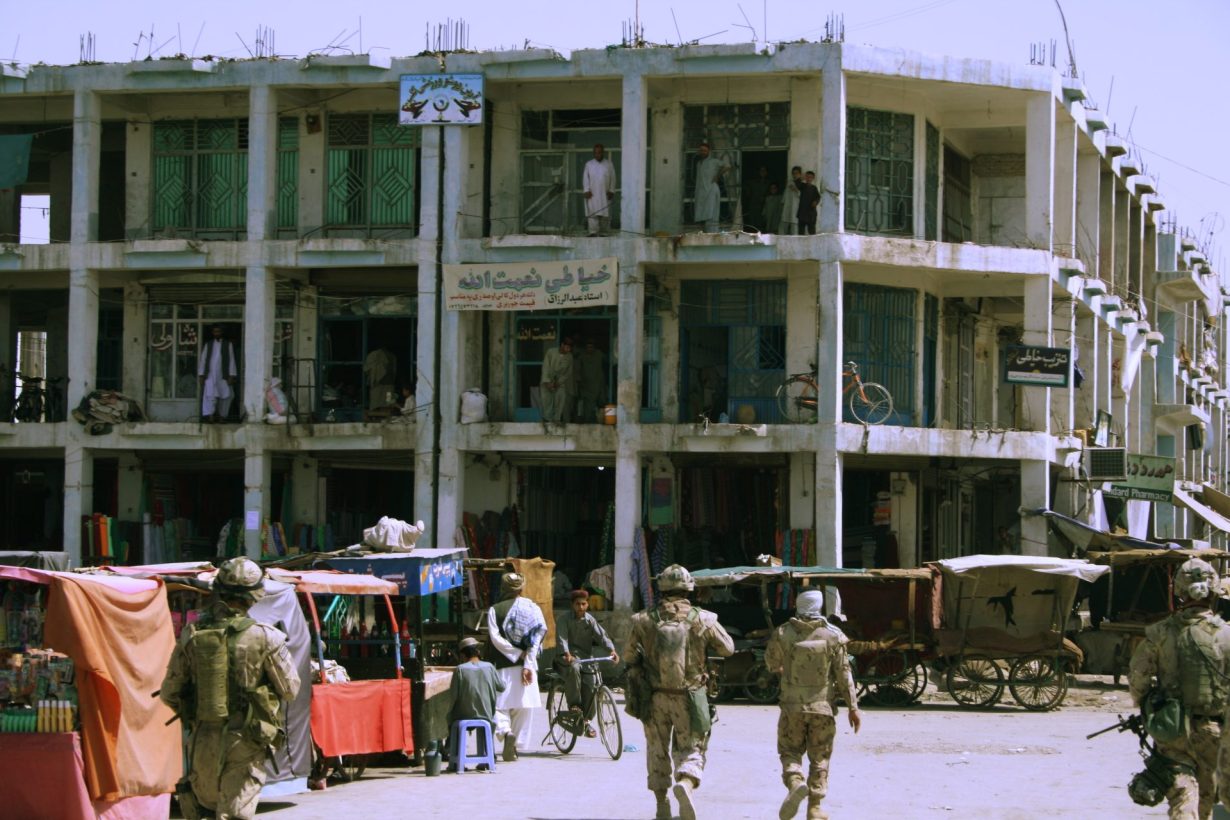
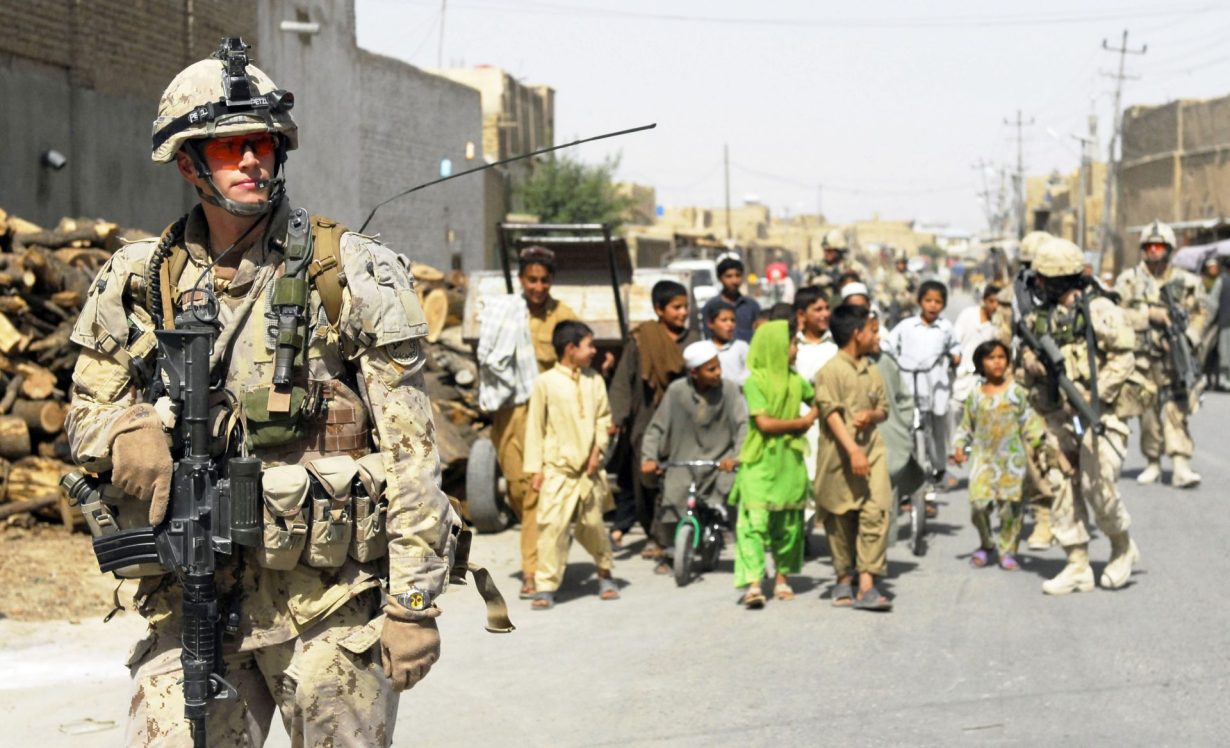
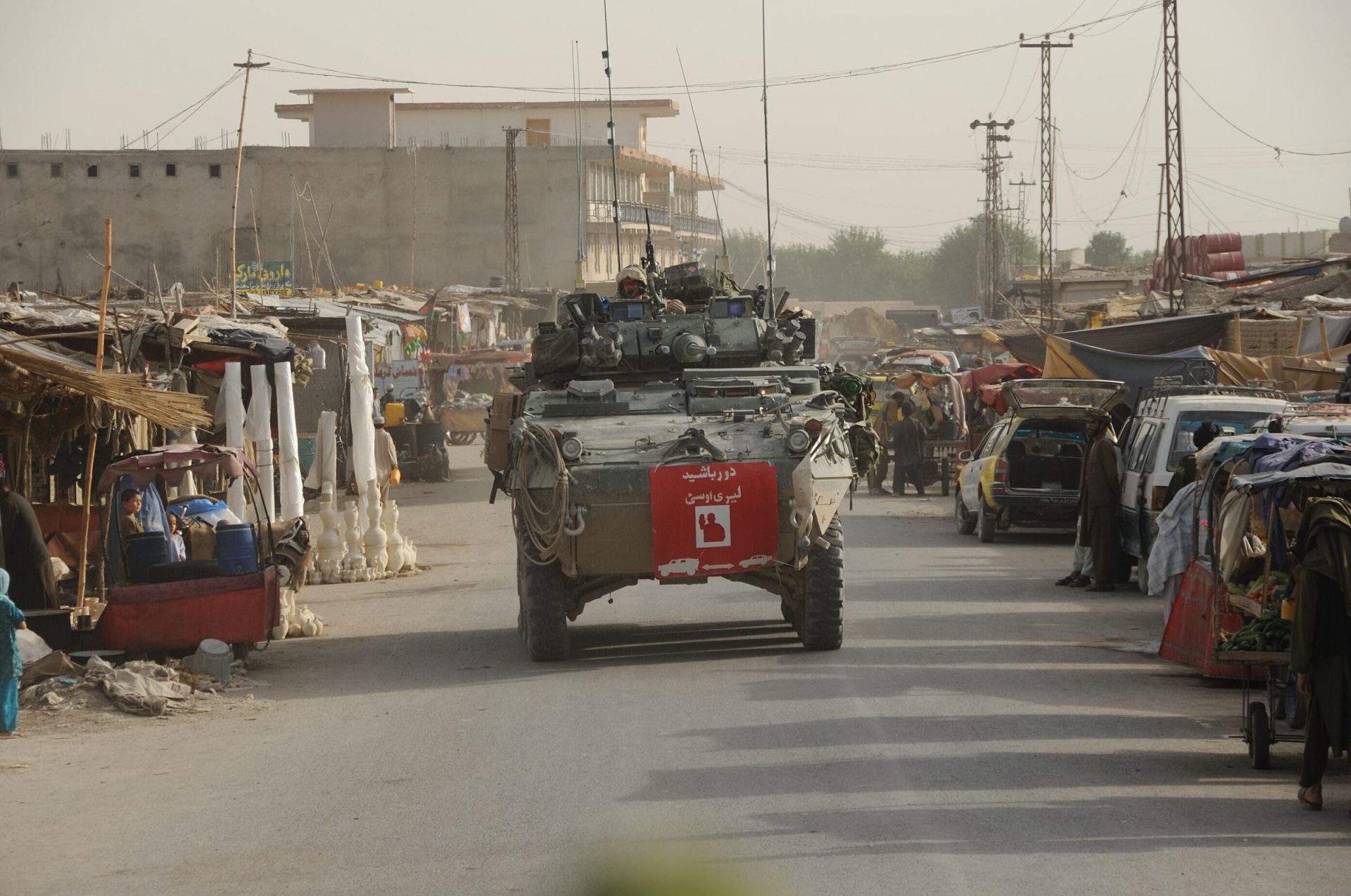
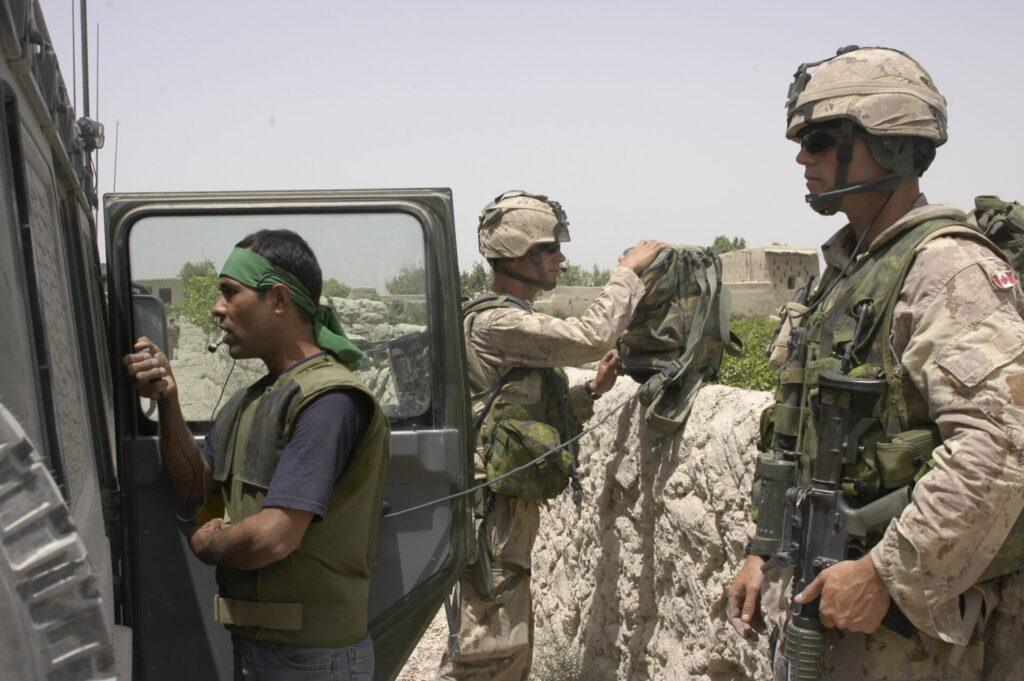
Patrolling the streets of Kandahar City was a regular part of life for the Canadian soldiers stationed there. However, patrolling was also a dangerous mission. In addition to having to operate in a dense urban environment, soldiers on patrol were also at risk of bombing or ambush from insurgents (CIDA/Lucas Robinson, DVIDS).
Canada employed a counterinsurgency strategy of “Clear – Hold – Build,” which aimed to clear out the Taliban, maintain the security of the area and promote its development.
Think: Why do you think development activities were an important part of Canada’s counterinsurgency strategy?
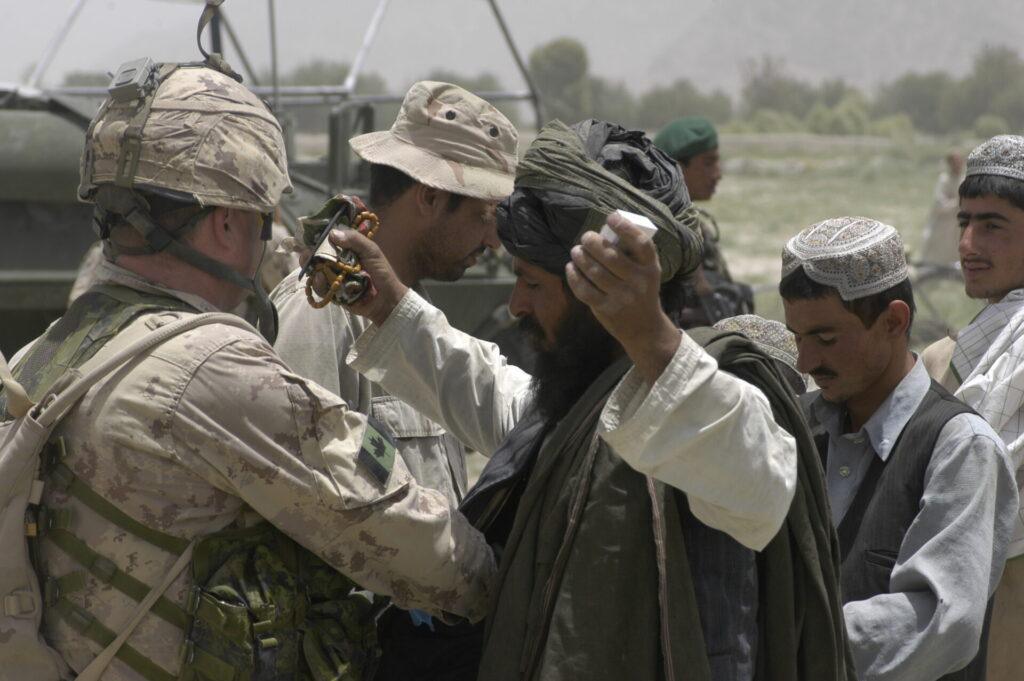
With limited troops and with a growing insurgency, the Canadians would frequently clear an area and try to build basic services like schools, only for the Taliban to return months later and undo any progress made.
One such school, the White School, was the site of one of the most devastating actions of Canada’s engagement in Kandahar. The school had been built several years earlier by American Forces, but the Taliban had taken control of the building and were using it as an operations base. As part of the ongoing effort to clear the Panjwai district of Taliban strongholds, a platoon of around 40 PPCLI were ordered to secure the area. The soldiers were near the end of their seven-month rotation and most of them were supposed to head home within two weeks.
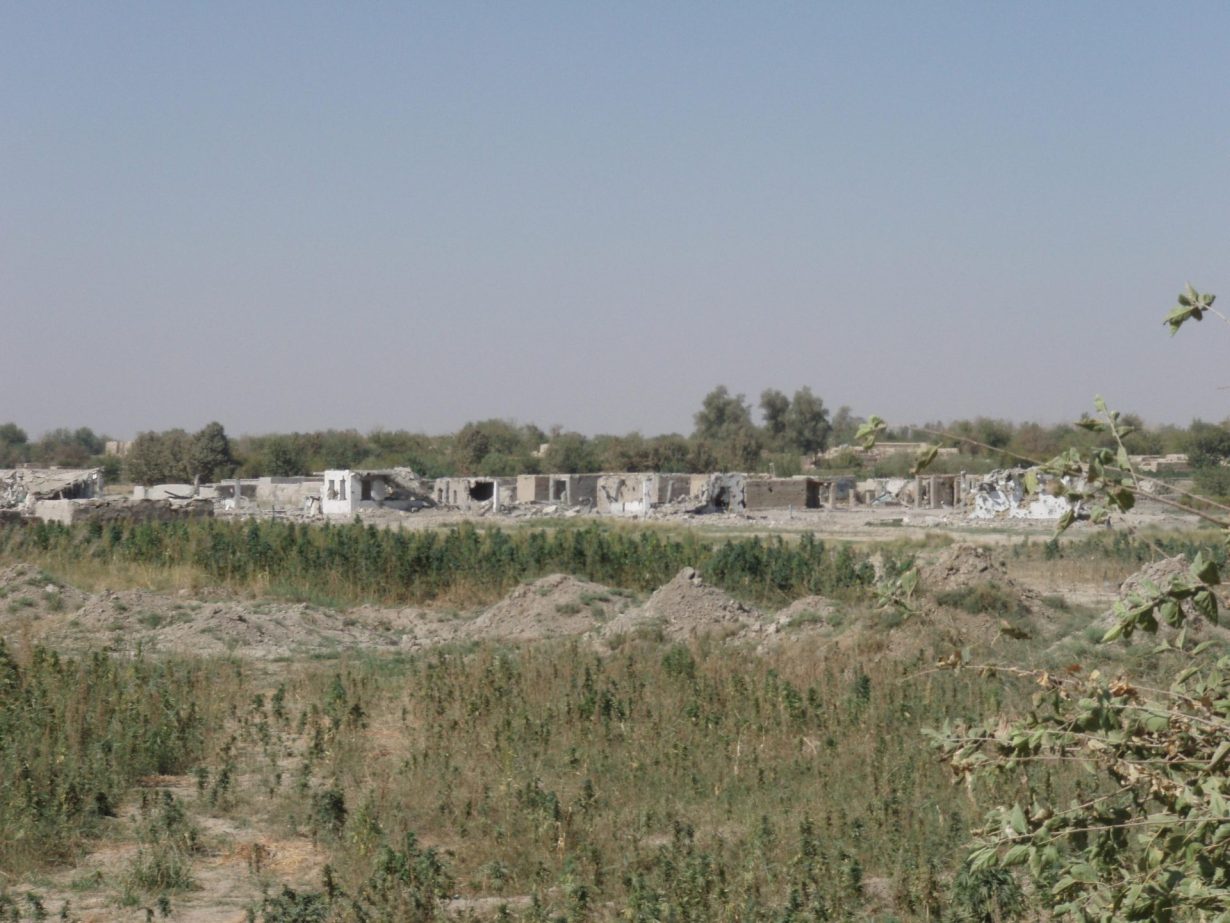
In the early morning hours of August 3, 2006, they approached the “school” buildings in a convoy of LAV IIIs. The first LAV hit an IED, killing Cpl. Christopher Reid and injuring another. A second LAV was damaged soon after, but with no serious injuries. Unable to advance further, they decided that part of the platoon would cover the remaining 400 meters on foot. Fourteen Canadians, aided by around twenty members of the Afghan National Army, advanced under heavy enemy fire. They were able to creep forward shielded by a mud wall for the first 270 meters but had to run across open ground for the last 150 meters. The Afghan troops didn’t succeed and retreated; the Canadians split into two groups, covering each other with fire as they ran. Private Kevin Dallaire was injured in the dash with a bullet to the chest. One group made it to the main school building, the other to the outhouses behind the school. Once there, they realized they were surrounded on three sides by 250 Taliban fighters. The LAVs, 400 meters away, were under orders not to advance because of the danger of IEDs. They were already running low on munitions.
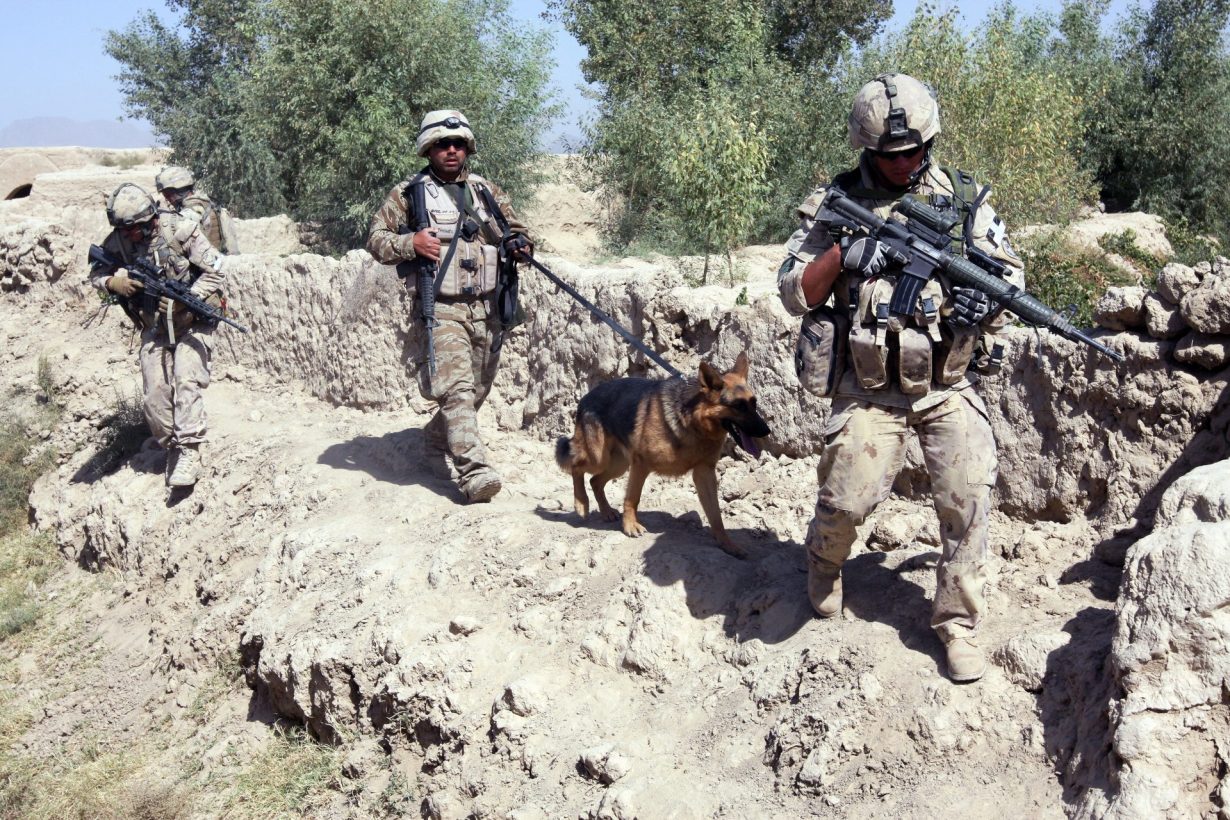
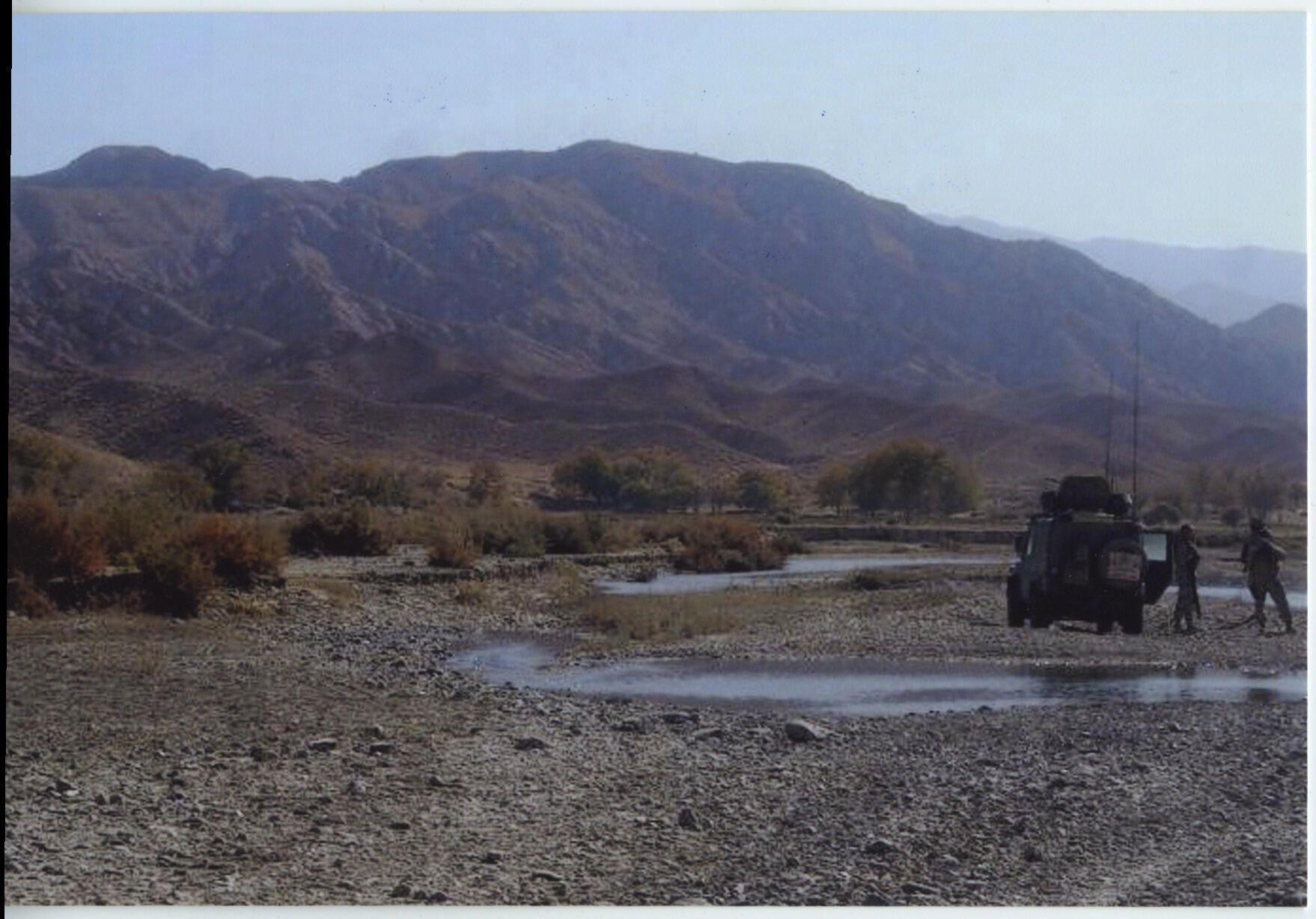
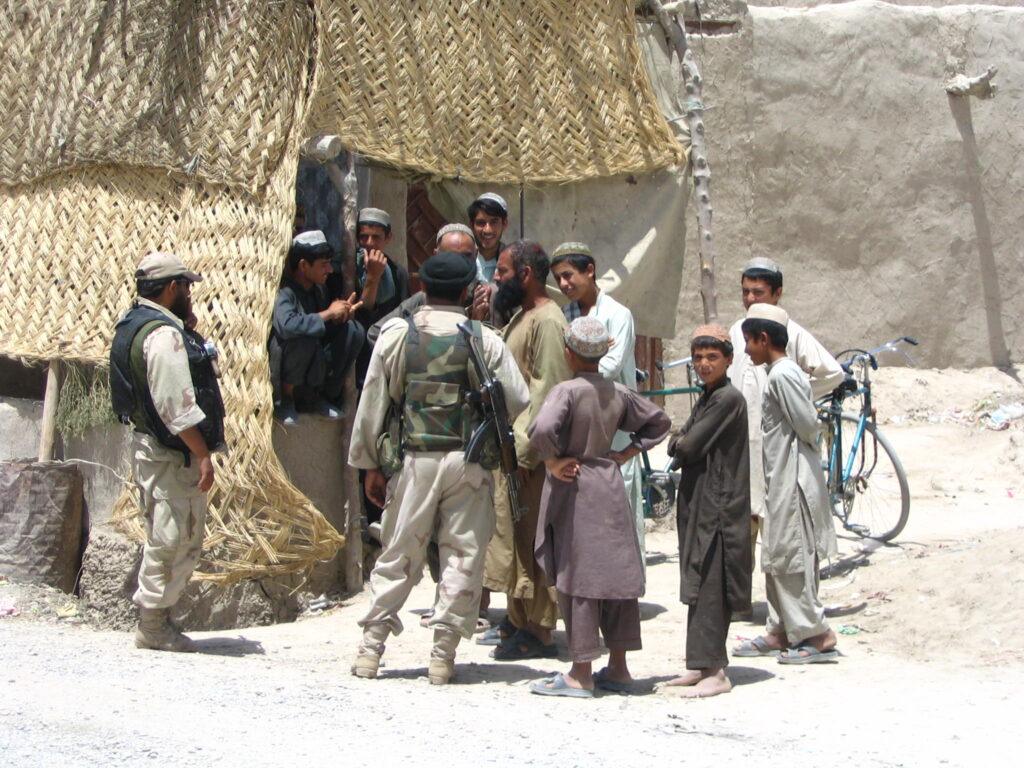
Canadian soldiers on patrol in Kandahar 2008. Low mud walls such as these were used could be used for cover. (Lizotte family collection, used with permission).
An intense firefight ensued. The Canadians were trying to thin the ranks of the Taliban and scare them away before they closed in on the school, and the Taliban were raining Rocket Propelled Grenades (RPGs) on the Canadians. One RPG was a direct hit and exploded in the outhouse, killing Private Kevin Dallaire, Corporal Bryce Keller and Sergeant Vaughan Ingram, and injuring three others. Two men ran to assist the injured: Sergeant William MacDonald and Sergeant Patrick Tower. Tower assumed command, rallying reinforcements, asking for the LAVs to be brought forward and coordinating the extraction of the trapped soldiers.
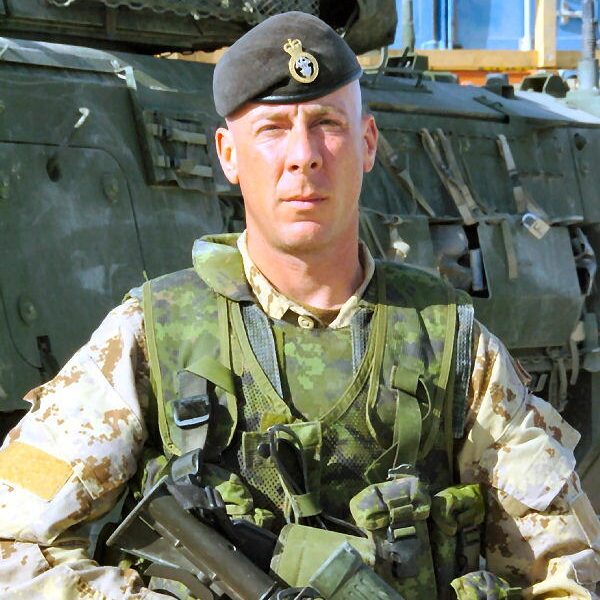
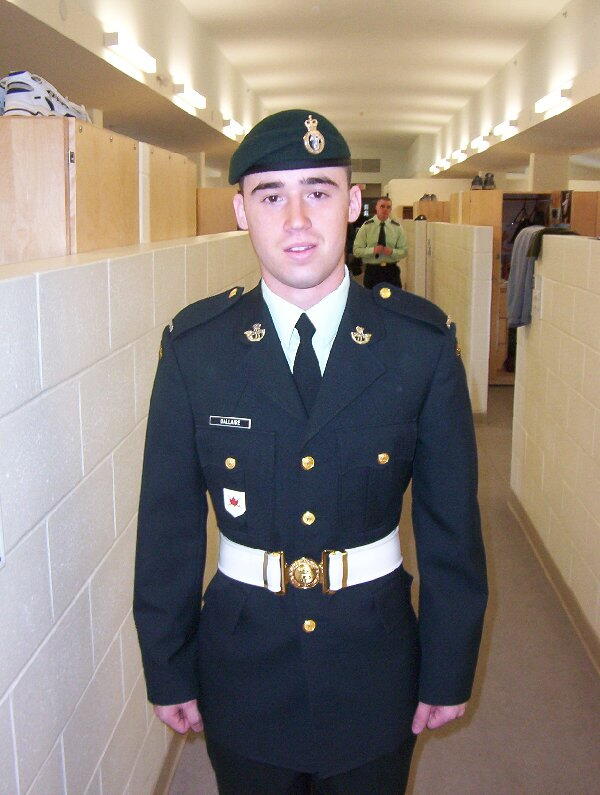
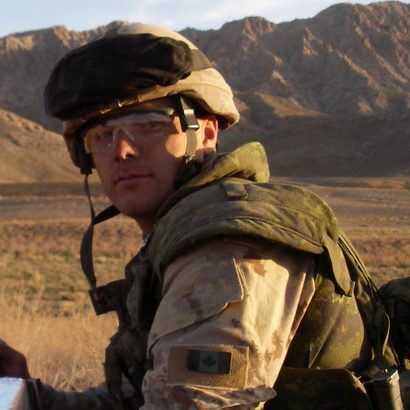
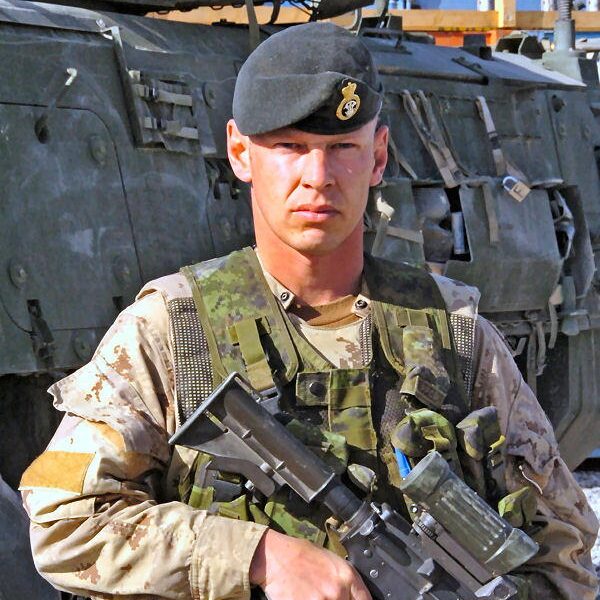
Four PPCLI killed in the Battle for White School (clockwise from top left): Christopher Reid, Kevin Dallaire, Bryce Keller and Vaughan Ingram (Canadian Virtual War Memorial).
In one short battle, four Canadian soldiers died and seven were injured, making it one of the worst days of the war for the Canadian Army. Twenty Afghan civilians were killed by a Taliban bomber, and an estimated 90 Taliban were killed or injured in the action. Sergeants MacDonald and Tower were both awarded the Star of Military Valour for their actions at the White School.
Star of Military Valour Citations

Sergeant William MacDonald
“On August 3, 2006, amidst chaos and under sustained and intense enemy fire in Afghanistan, Sergeant MacDonald selflessly and repeatedly exposed himself to great peril in order to assist his wounded comrades. Despite the risk, he ensured that his men held on until reinforcements arrived and that the platoon’s focus remained on holding the ground that they had fought so hard to secure.”
Sergeant Patrick Tower
“Sergeant Tower is recognized for valiant actions taken on August 3, 2006, in the Pashmul region of Afghanistan. Following an enemy strike against an outlying friendly position that resulted in numerous casualties, Sergeant Tower assembled the platoon medic and a third soldier and led them across 150 metres of open terrain, under heavy enemy fire, to render assistance. On learning that the acting platoon commander had perished, Sergeant Tower assumed command and led the successful extraction of the force under continuous small arms and rocket-propelled grenade fire. Sergeant Tower’s courage and selfless devotion to duty contributed directly to the survival of the remaining platoon members.”
August 3, 2006 illustrated the danger of the Panjwai region and the importance of securing it from the Taliban. A month later, NATO forces, led by Canada, fought a decisive battle to take control of the region. That battle is known as Operation Medusa.
Operation Medusa, fought from September 2 – 17, 2006, was, at the time, the largest land battle undertaken by NATO and Canada’s largest combat operation in over 50 years. The objective was to push the Taliban out of the Panjwai and Zhari regions, and to prevent them from using these strongholds to launch attacks on the nearby Kandahar City and Kandahar Airfield (KAF). Over one thousand Canadians, mostly from the 1st Battalion of the Royal Canadian Regiment, led the attack, supported by the US Armed Forces, the Afghan National Army, Dutch and Danish soldiers, the US Air Force, the RAF and the RCAF.
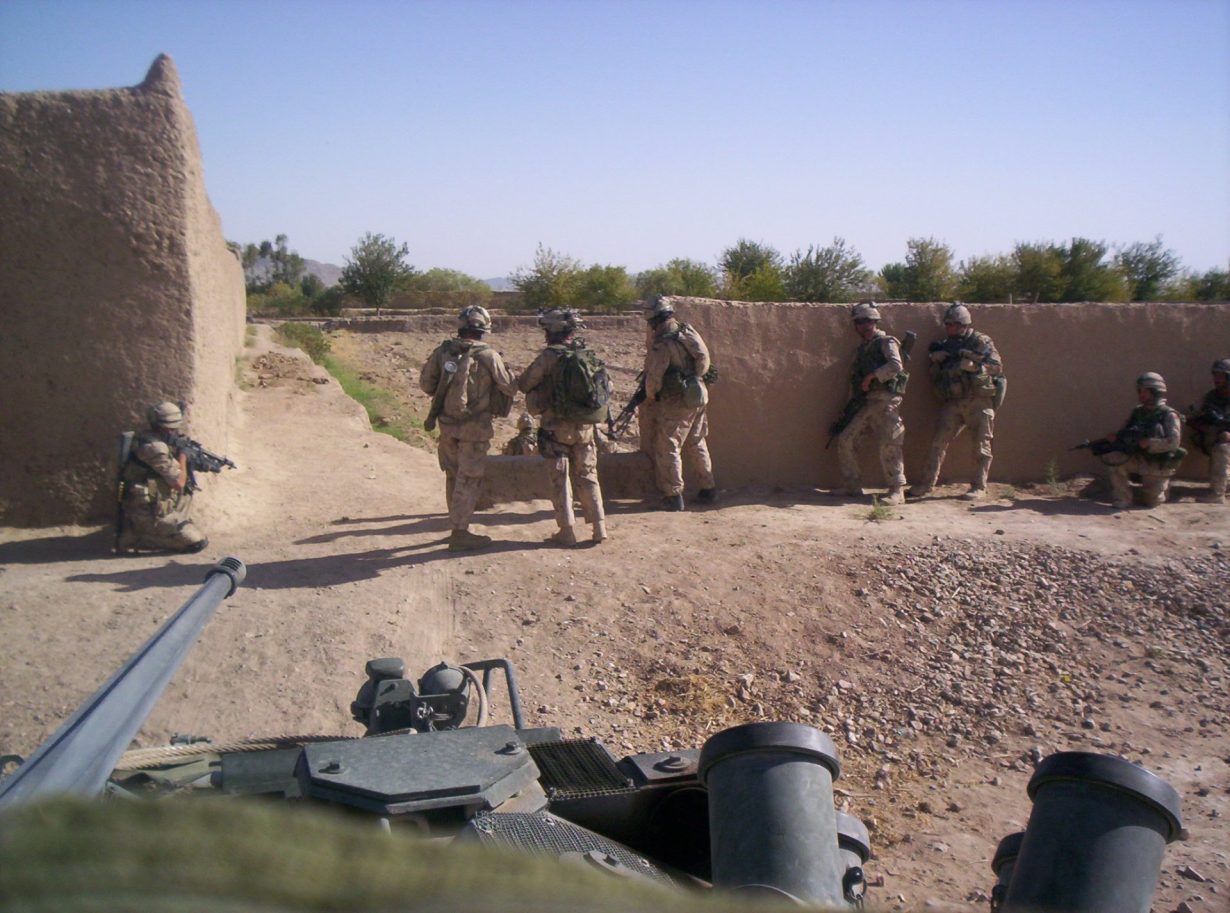
Members of 5 Platoon of Bravo Company of the 1st Battalion Royal Canadian Regiment during Operation Medusa (The Queen’s Own Rifles Regimental Museum and Archives).
The offensive began on September 2nd with intensive air strikes on Taliban positions. Ground forces positioned themselves to the north and south of the primary objective: the White School, the same Taliban operations centre that had been the site of so much bloodshed just a month prior. In the following days, ground forces in the south attempted to fight their way north, but were met with unexpectedly fierce resistance. It was then up to those stationed in the north to fight their way south.
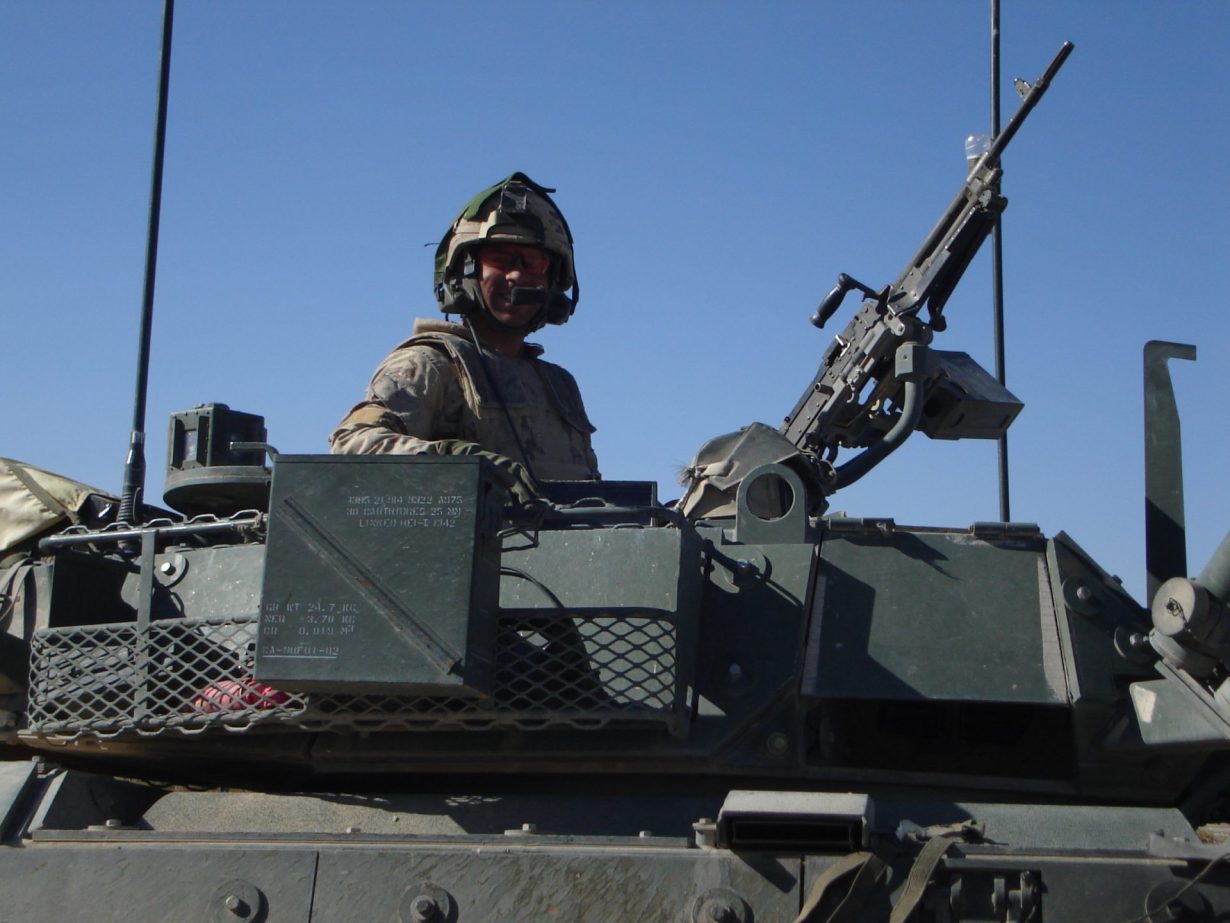
Anthony Robb in Afghanistan (Courtesy of Anthony Robb).
Lt Anthony Robb, a combat engineer troop commander, was stationed to the north of the White School at Patrol Base Wilson. Combat engineers, he explained, “assist friendly forces to live, move and fight while denying the same to the adversary… Our secondary role is to fight as infantry when required.” LCol Robb and the 36 combat engineers under his command participated in Operation Medusa, creating combat roads:
“The terrain is very challenging. You can’t really drive on it because of the way the Afghans grow grapes. Imagine the ground looking like a giant Toblerone bar, with undulating hills every step of the way. You can’t drive through it. Plus, the existing roads (more like goat trails) were narrow and littered with IEDs. This is challenging when you have a bunch of LAV IIIs that you really want to bring to the fight. So, we ended up coming up with a neat procedure… The first thing we would do is, in our mechanized vehicles, we’d look for adversaries. If they were identified, we could deal with them. We’d then deploy dismounted soldiers forward, enabling them to fight up to a certain point, about 500m to a kilometer ahead, still within the protection of the vehicles that are parked behind them… Next, I would take the engineer resources that I had, such as armoured (and unarmoured) bulldozers, and we would doze a new combat road, so we wouldn’t use the existing goat trails that were narrow and full of IEDs. With these new roads in place, our vehicles could then deploy forward and link up with the dismounted soldiers… And then we would repeat the process.”
It took them about a week to clear the six kilometers to the White School. When they arrived, the remaining Taliban had been cleared out, and they could “safely say that we owned the terrain.”
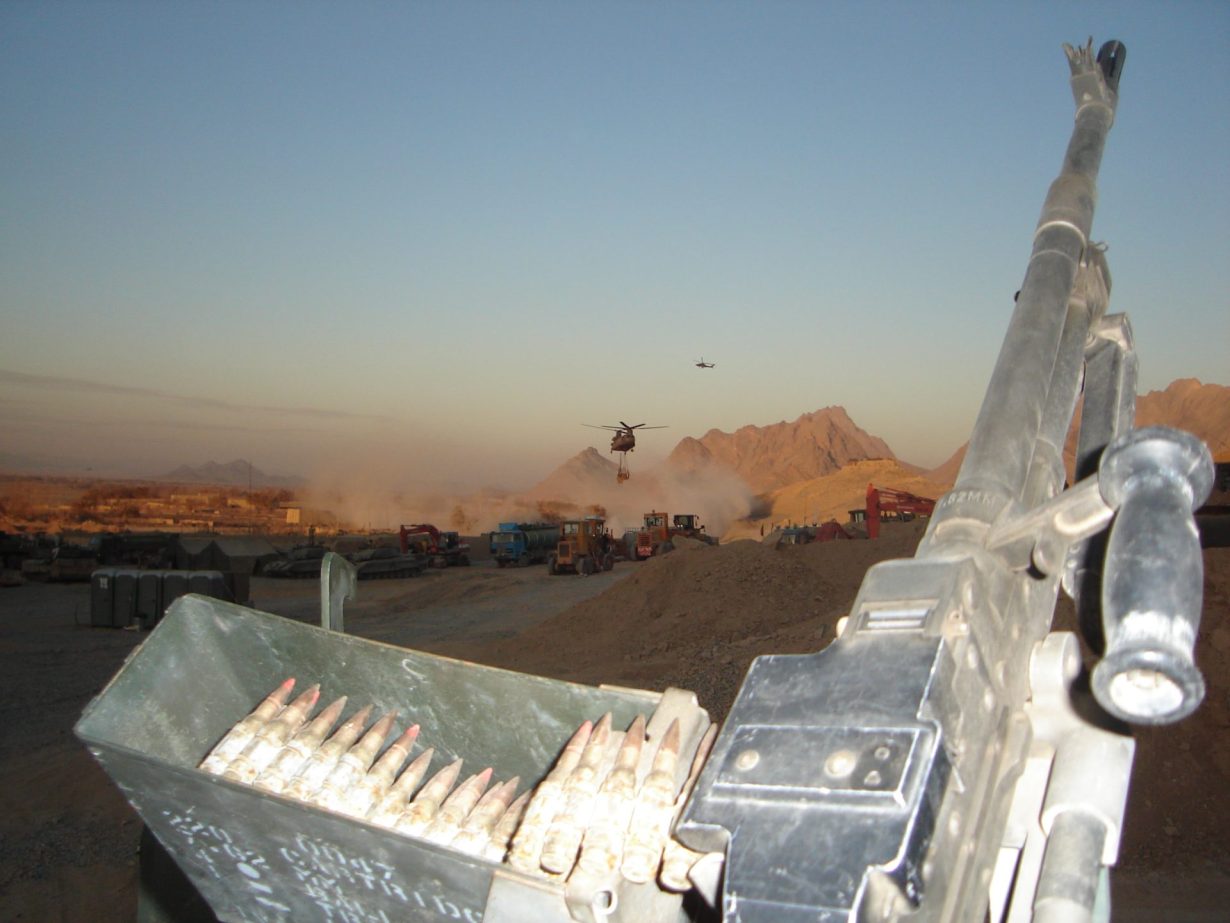
Creating a Forward Operating Base after Operation Medusa (Courtesy of Anthony Robb).
Operation Medusa was a success, clearing the Taliban from key positions and preventing attacks on Kandahar City and KAF. Hundreds of Taliban fighters were killed or captured. The operation was also costly to the Canadians, however: 12 Canadians were killed in the fight and 40 were wounded.
After Medusa, the battlegroup concentrated their energies on holding the terrain that they had won from the Taliban, building Forward Operating Bases (FOBs) and building a road. In fact, the combat roads mentioned earlier were the basis for a new permanent road, later called Route Summit, that connected Patrol Base Wilson and the highway in the north to Masum Ghar and the river in the south. Roads were essential infrastructure to maintain the security of the region.
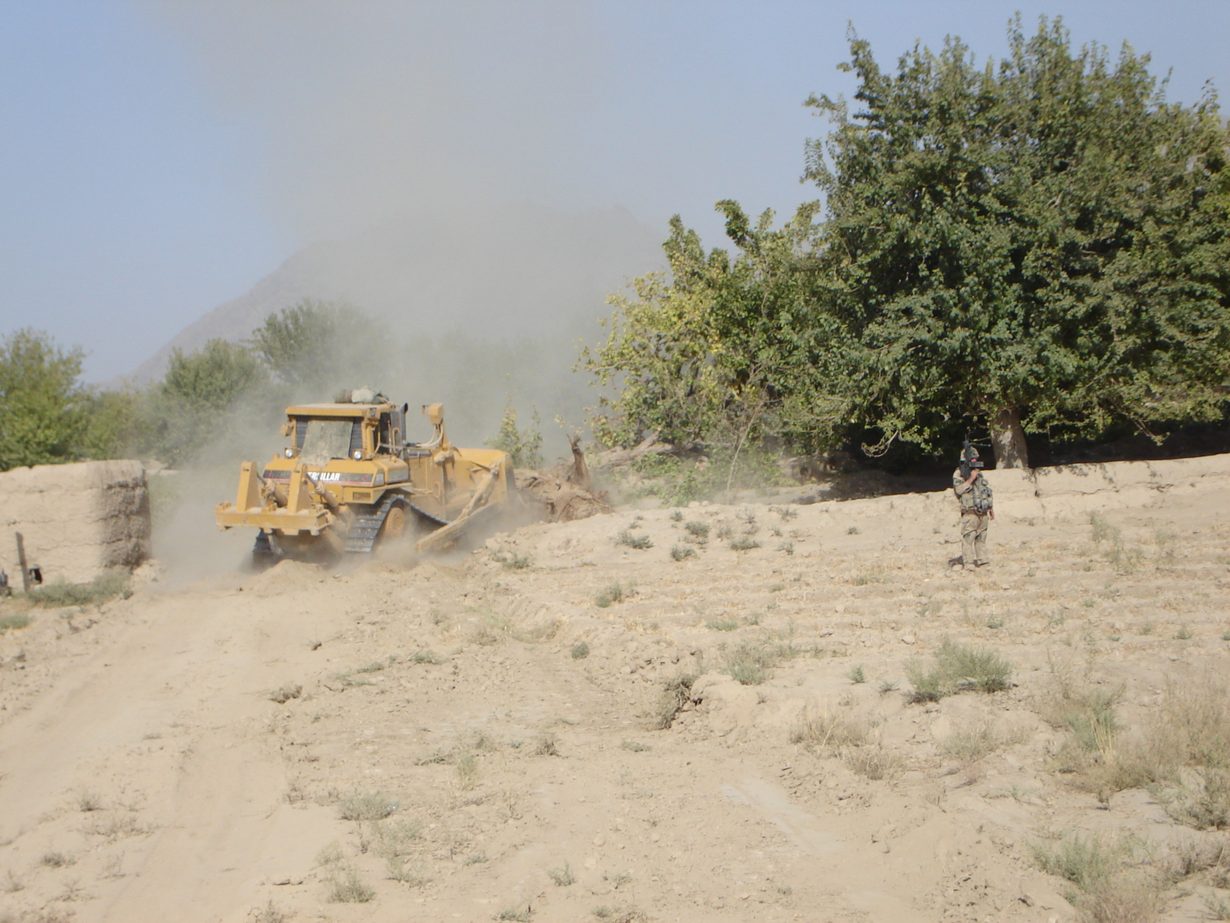
Creating combat roads during Operation Medusa (Courtesy of Anthony Robb).
Though 2006 saw some of the fiercest fighting and the largest battles in Kandahar, the Canadians continued to fight many more battles throughout their time in Kandahar. Up until the end of the combat mission in 2011, the Canadians worked to clear the Taliban from more areas, to secure and hold those areas, and to rebuild them with development and aid projects.
Winning hearts and minds
In this counterinsurgency context, influence activities such as PSYOPS and CIMIC played an important support role due to the need to stabilize and win over the local population and to isolate the Taliban.
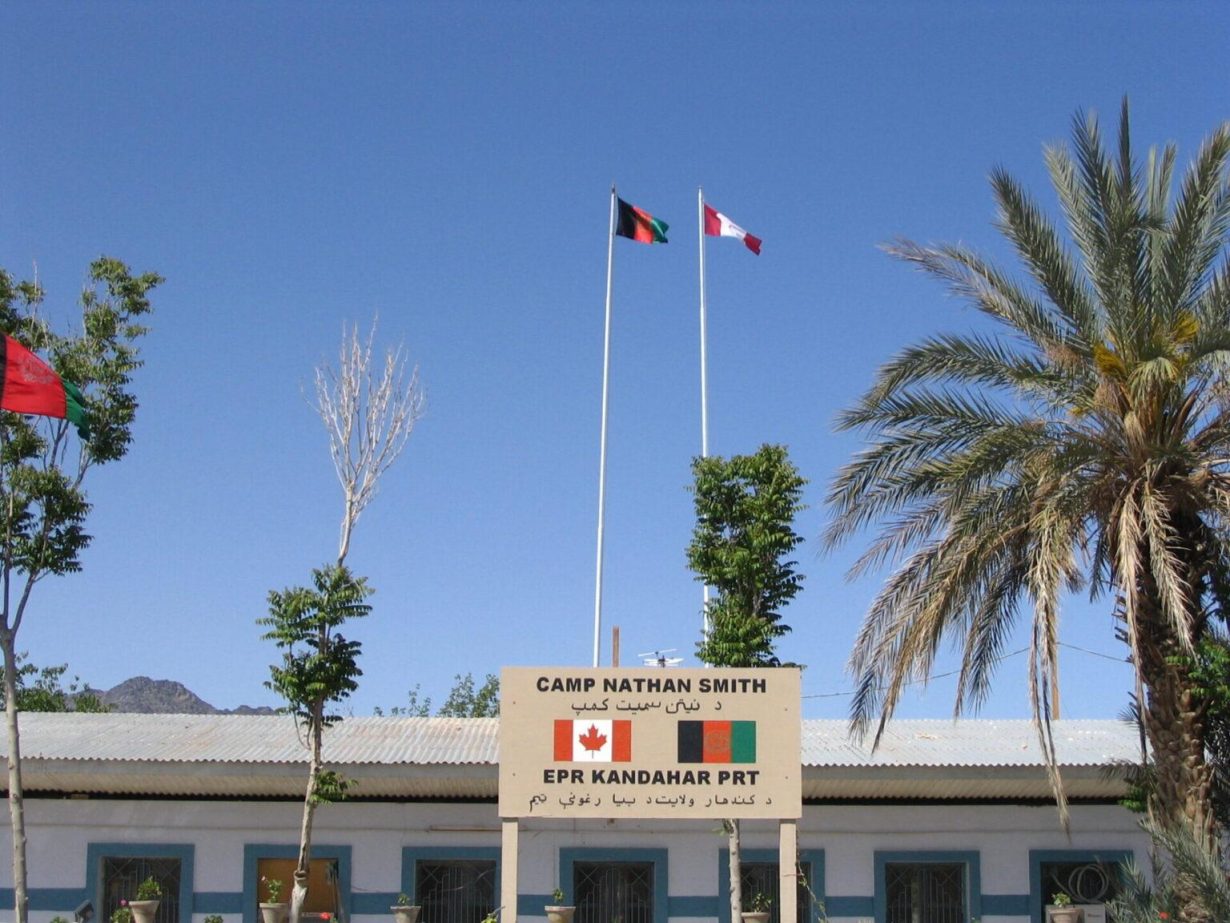
When the Canadian forces moved south to Kandahar, the CIMIC teams became part of the Kandahar Provincial Reconstruction Team (KPRT), which was based out of Camp Nathan Smith.
PRTs were joint civil and military operations intended to support development projects, improve security and empower local governments. Non-military personnel at a PRT often included diplomats, development workers, police and corrections officers. Military personnel consisted of military engineers, CIMIC teams who met and worked with locals and coordinated the resources of the PRT, and force protection, who would escort and protect both CIMIC teams and civilian aid workers.
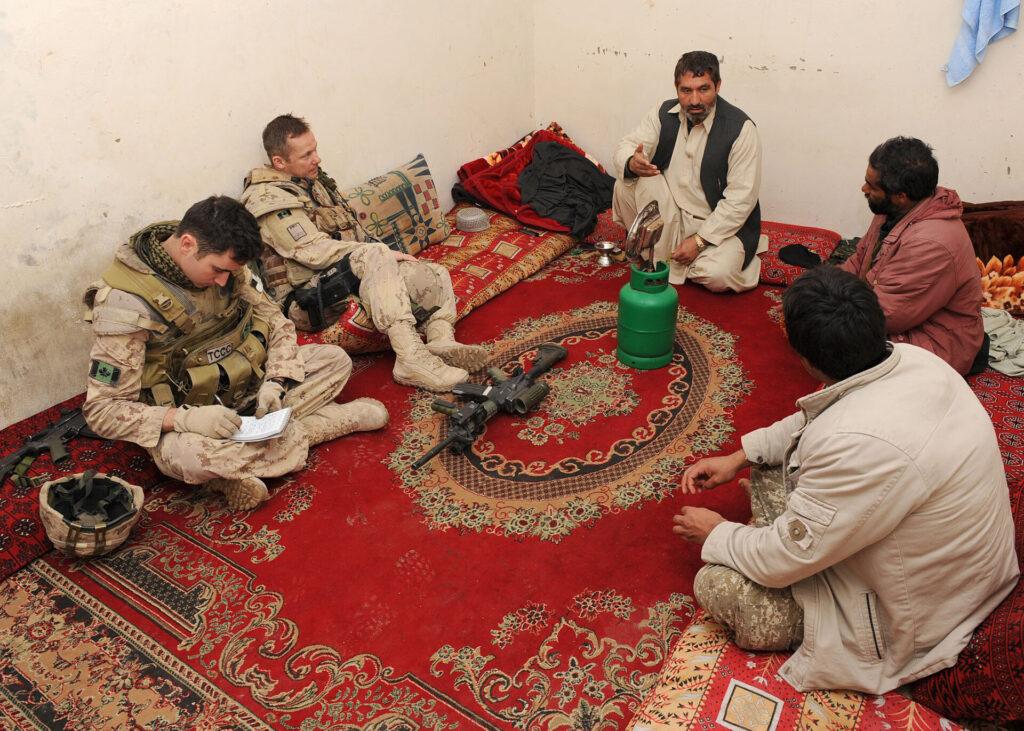
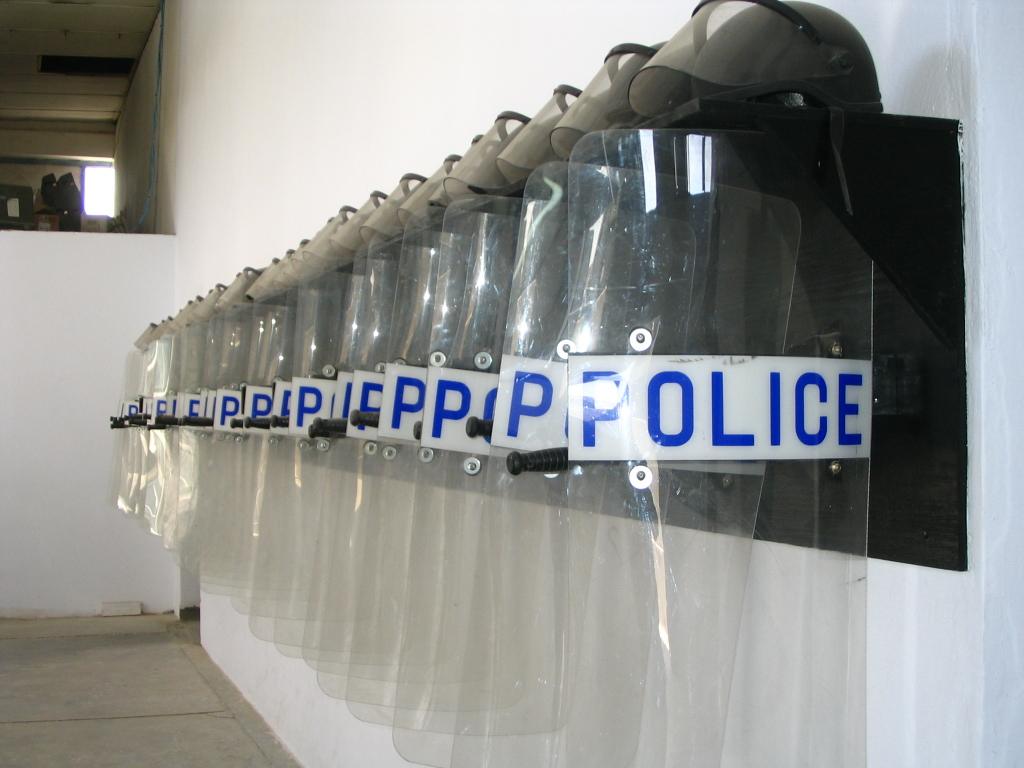
In addition to managing hundreds of projects at both the local and national scale, the Kandahar Provincial Reconstruction Team had three signature long-term development programs:
- Polio eradication: Canada invested heavily in vaccinating children across Afghanistan to eradicate polio.
- Education: Canada committed to build, expand or repair over 50 schools in Kandahar Province to facilitate children’s access to education.
- Rehabilitation of the Dahla Dam: Canada embarked on a major project to rehabilitate the Dahla Dam and irrigation system. This dam, the second largest in Afghanistan and the largest in the province, is essential to agriculture in the province.
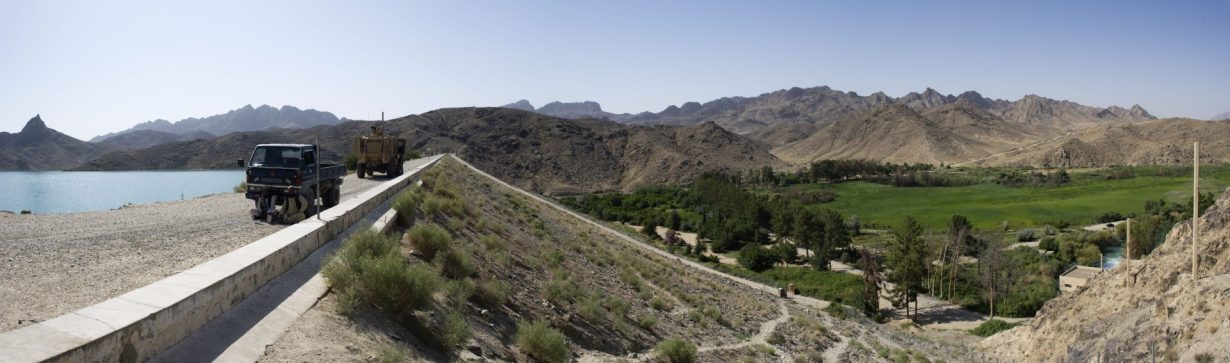
Messages to the enemy
PsyOps units played an important role in combat support in Kandahar. They sent messages on how civilians could protect themselves during an attack, where to go to be safe, and how to contact the army if they saw something suspicious. They could also target certain individuals suspected of being Taliban, and ask locals to report on these individuals. PsyOps units in the field could thus gather intelligence. They could also assess how effective types of messages were. These could then be tweaked by their counterparts at headquarters.
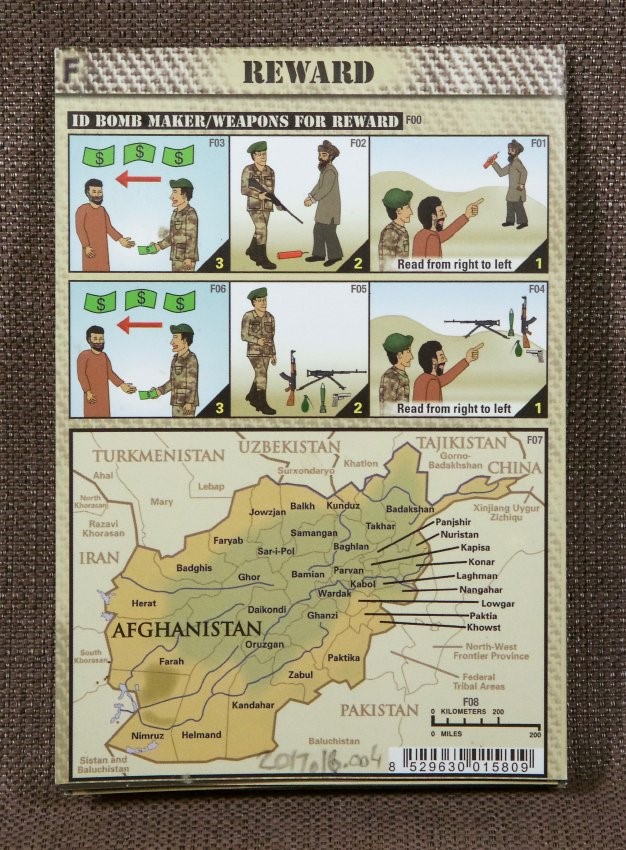
The best way to protect soldiers from attack is to have an enemy who doesn’t attack at all. PSYOPS units worked to inform insurgents that if they surrendered, they would not be killed. The Taliban were not familiar with Western military conventions, such as the Geneva conventions, so PSYOPS units had to find ways to communicate that if they surrendered, they would have rights as prisoners. They also communicated how to properly surrender.
Life in a combat zone
Think: How do you think the type and location of a soldier’s base affected their experience of war?
For Canadian Armed Forces members, living conditions in Kandahar varied widely depending on where they were based.
The Canadian military’s headquarters was at Kandahar Airfield (KAF). KAF was a large, multinational camp based at the largest airport in the south of the country. It was ISAF’s regional headquarters in the south of the country and housed over 25,000 military personnel, civilian aid workers and support staff from Canada, the United States, the United Kingdom, The Netherlands and numerous other countries.
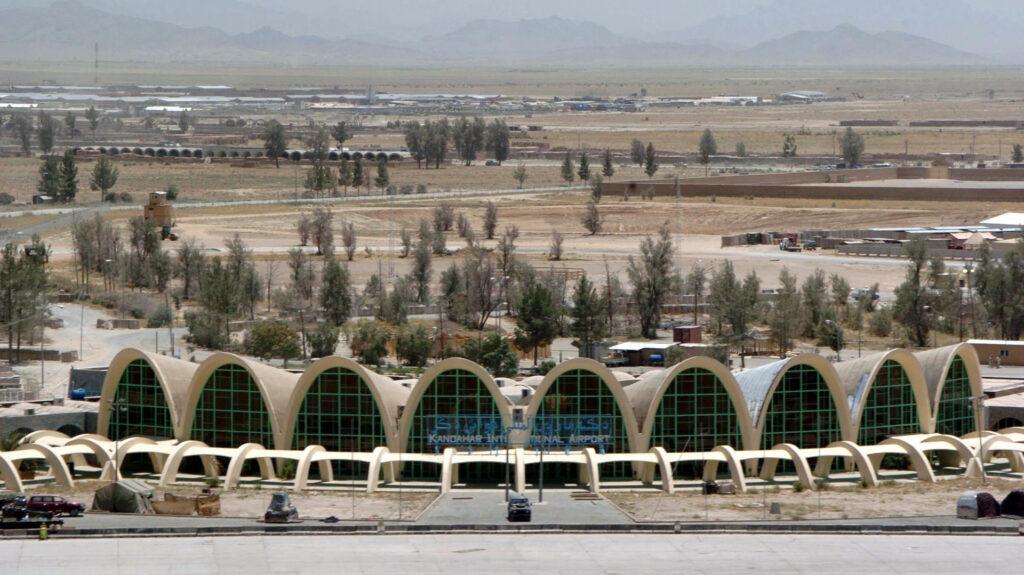
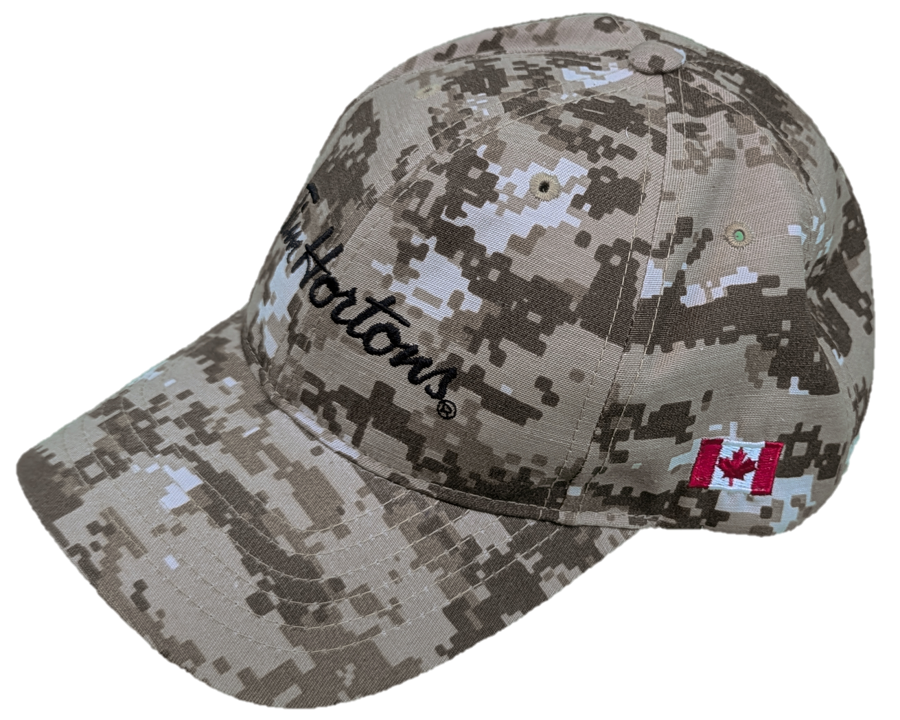
While those who arrived at KAF in its early years may have been housed in tents, these were gradually replaced by barracks with air-conditioning. The camp had multiple dining halls representing the different nationalities in the camp, and even had fast-food chains that soldiers could visit: Burger King, Pizza Hut and, the Canadian favourite, Tim Hortons!
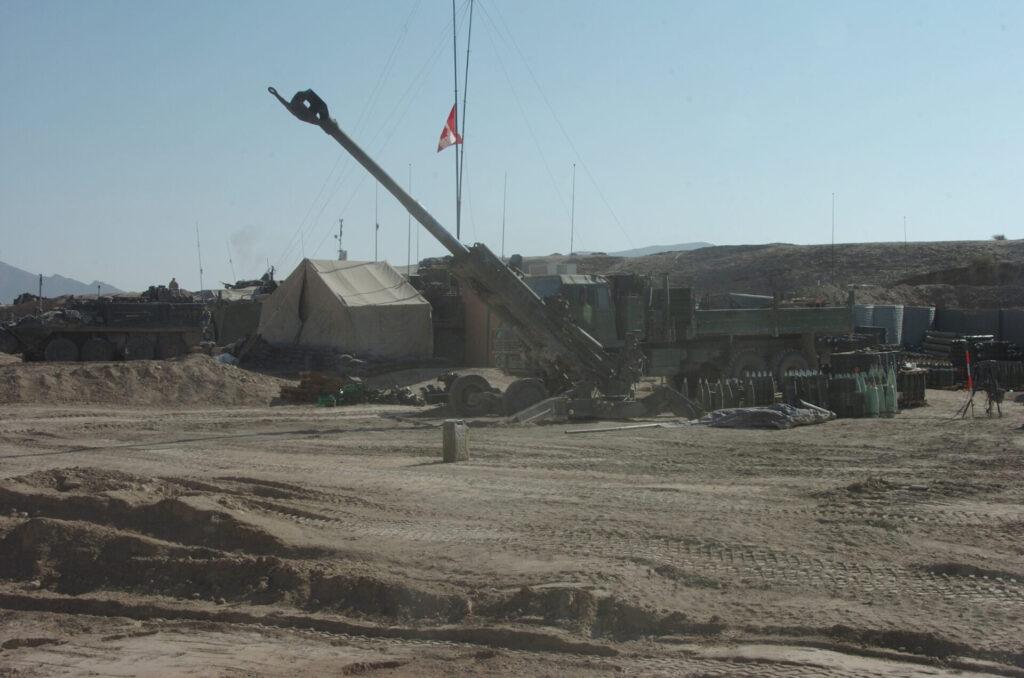
While KAF may have been a small city with many of the familiar comforts from home, it was still frequently targeted by rockets and mortars.
Units also spent a lot of time away from KAF, staying in Forward Operating Bases (FOBs) and Strongpoints. FOBs were small outposts, often in dangerous areas. When soldiers first arrived in these areas, there was nothing there and they often lived off what they could carry and slept outside. Combat engineers, however, had the task of improving conditions in FOBs.
“Life forward-deployed is rough, but it can be made less rough over time. There’s a priority of work. The first priority isn’t comfort, it’s defendability… The priority was building firing positions, observation posts and protective spaces for [our vehicles]. But then we started to work on comfort. We built some fortified bunkers, so that soldiers could be sleeping within a protected space… [and] slowly, over time, the quality of life would increase.”
-Lt Anthony Robb
In later years, FOBs were well-secured and many even had some creature comforts, such as cooks to prepare food, so that soldiers wouldn’t live off of hard rations. They did not, however, have such amenities as hot showers or plumbing.
The Kandahar Provincial Reconstruction Team was based out of Camp Nathan Smith in a former fruit factory in the heart of Kandahar City. Named after a Canadian soldier killed by friendly fire in 2002, it was a medium-sized camp with Canadian cooks, a gym and even a pool. Despite being at the heart of the city, Camp Nathan Smith experienced less rocket fire and attacks than Kandahar Airfield, the neighbouring NATO coaliton base. This was likely due to the fact that the KPRT had worked on a number of development projects in neighbouring communities!
Casualties
NATO Coalition Force Casualties
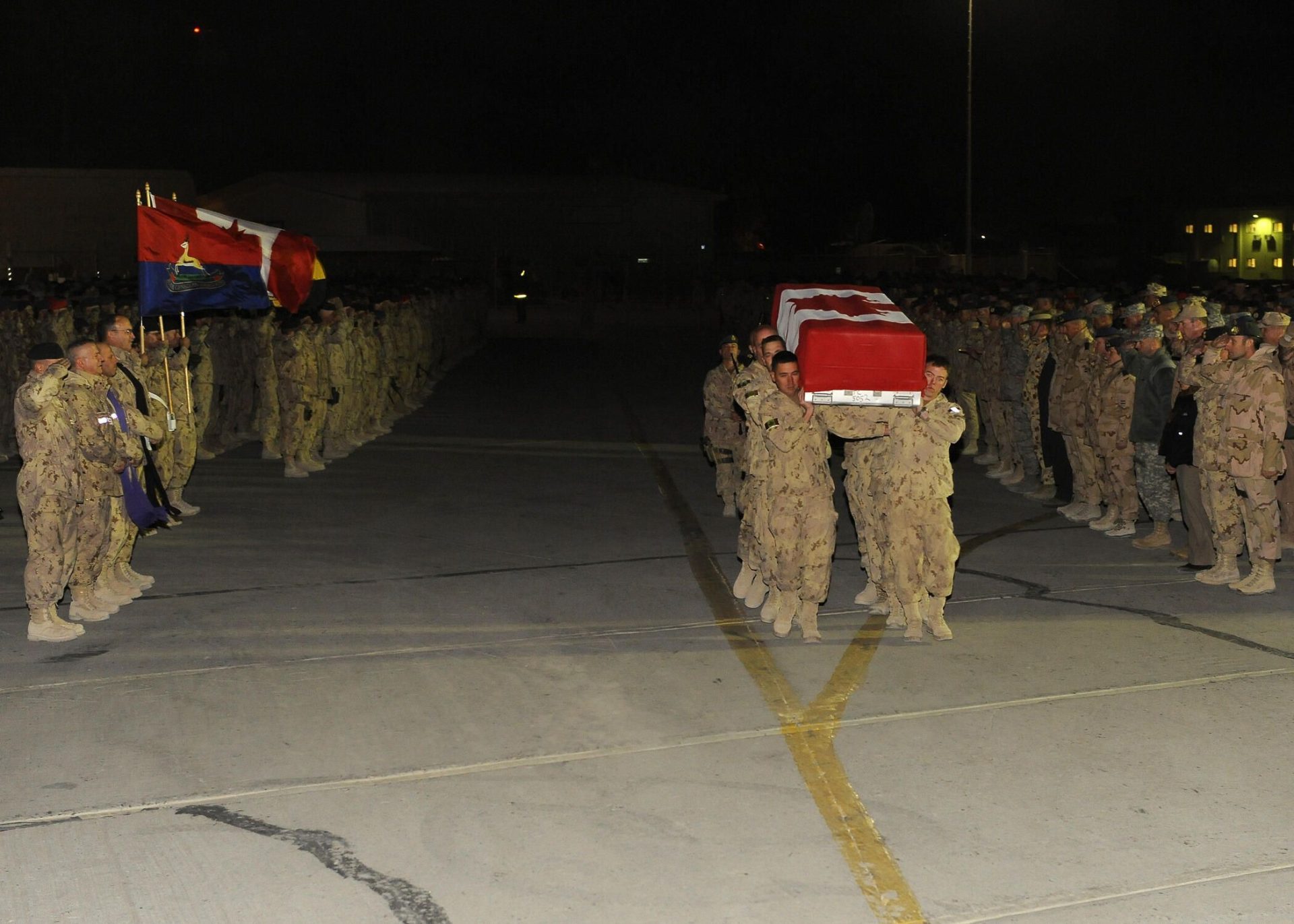
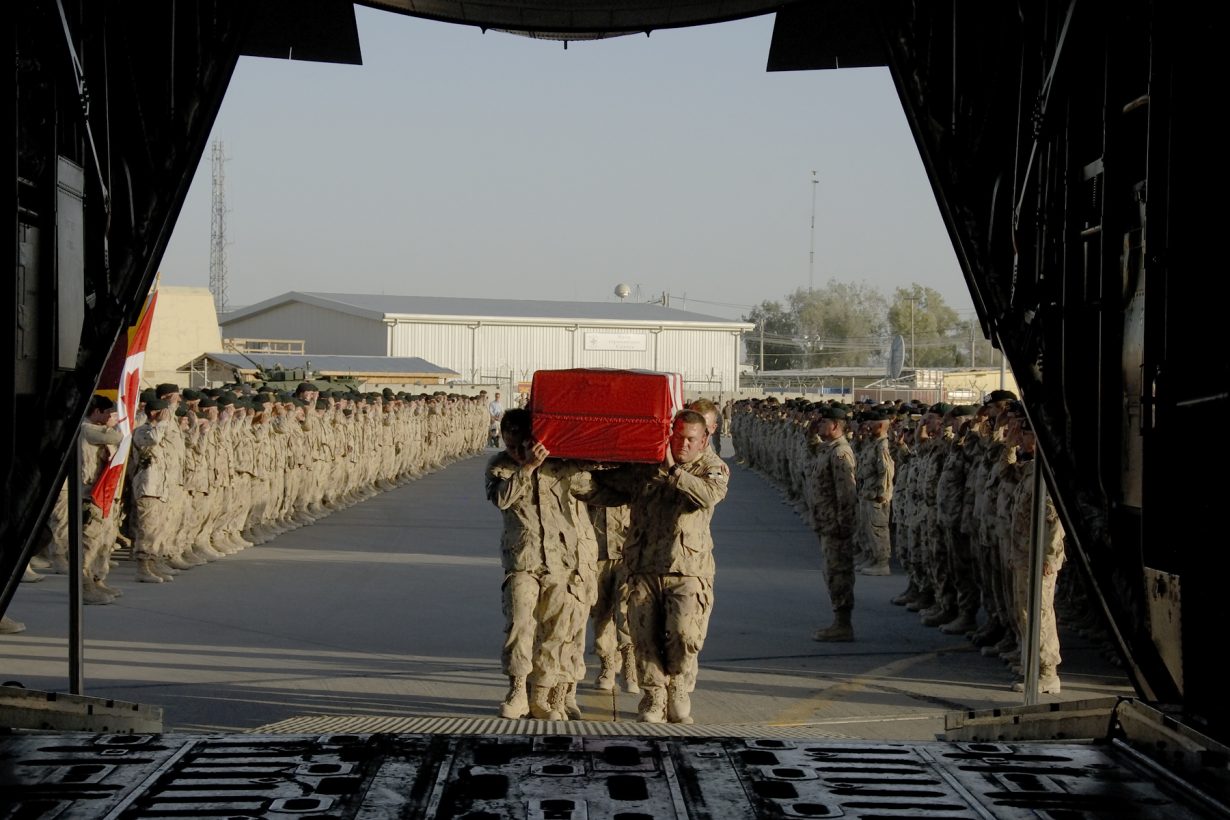
For those living at KAF during the years 2005-2011, NATO casualties were a tragic and visible part of life. A repatriation ceremony would be held for every coalition member killed. These were often called “ramp ceremonies” because soldiers would line up on the tarmac to salute their fallen comrade before the body was wheeled up the ramp of an airplane to be brought home. Though Canadians at KAF were only obligated to attend ramp ceremonies for Canadian soldiers, they often attended the ceremonies of other countries as well out of respect for the fallen. In all 3,576 NATO soldiers were killed as part of the mission in Afghanistan; among them were 159 Canadians.
Civilian Casualties
Afghan civilians suffered tremendously from the war that unfolded in their cities and towns. The Costs of War project estimates that over 46,000 Afghan civilians died during the 20-year conflict and many more were injured or displaced. Civilian deaths were the direct or indirect consequences of both insurgent and US/NATO actions.
In December 2009, a suicide bomb attack in Kabul targeting an Afghan government aide killed eight people and injured 40 others. Suicide bomb attacks were common and were a way for insurgents to continue fighting in major Afghan cities.
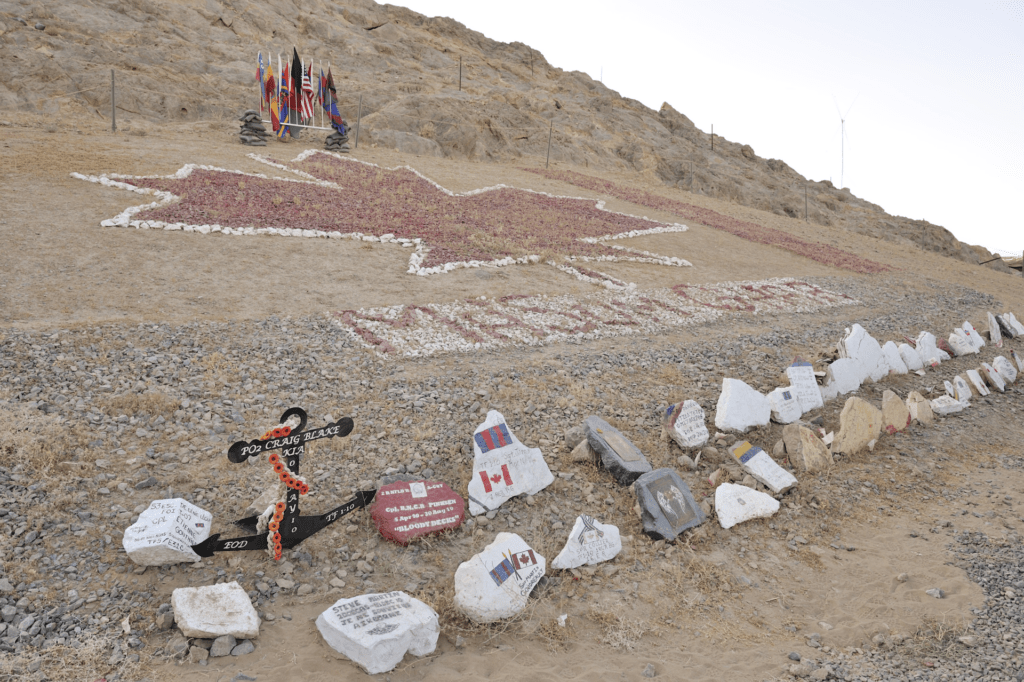
Exhibit title