Lesson plans
-
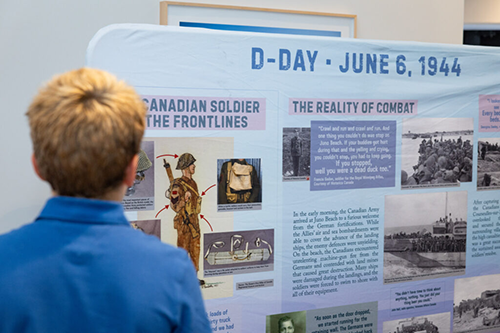
Travelling Exhibit “When the Daylight Comes: The Canadians on D-Day”
The Normandy landings on June 6, 1944, marked a turning point in WWII of which Canada played a vital role. Explore our travelling exhibit to uncover the personal stories of Canadians who helped liberate France from the German occupation. For a…
-
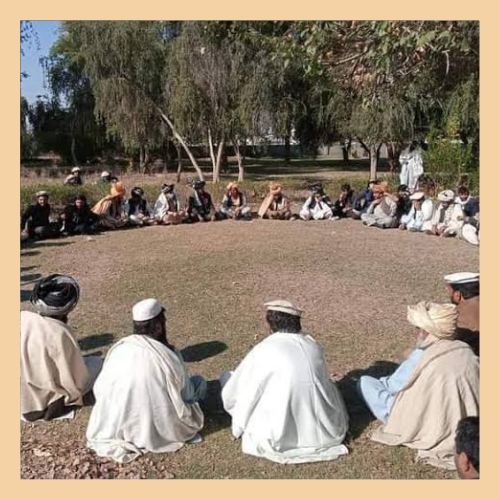
CONSENSUS BUILDING JIRGA: TO INTERVENE OR NOT?
What was 9/11? How did this event change the world forever? What is NATO? What happened in the history of Afghanistan that led to war again in 2001? Students will engage in a consensus building activity to demonstrate their critical thinking…
-
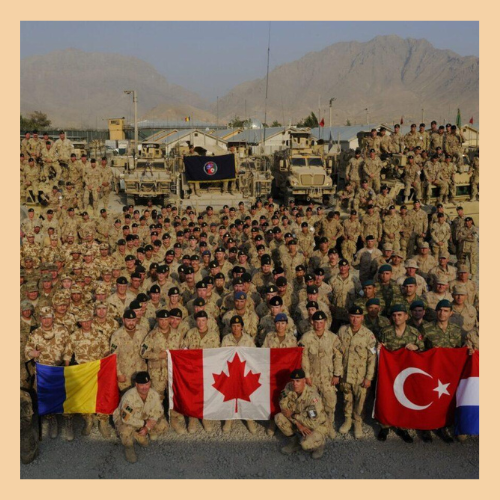
Canada as a middle power: Continuity and change — The war in Afghanistan
Within this project, students will be working in small groups to examine primary and secondary source material surrounding the impacts of Canada’s commitment to Afghanistan. After gaining an understanding of the context surrounding our involvement, they will explore specific aspects of…
-
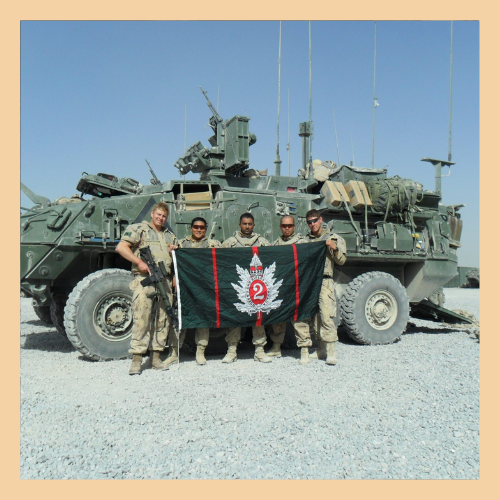
LAV III: Workhorse of the Canadian Army
The technology used by the Canadian Army has dramatically evolved over time. Canada’s involvement in the War in Afghanistan (2001-2014) forced the Canadian Army to review its equipment and upgrade according to the landscape and geographical context and the military strategy…
-
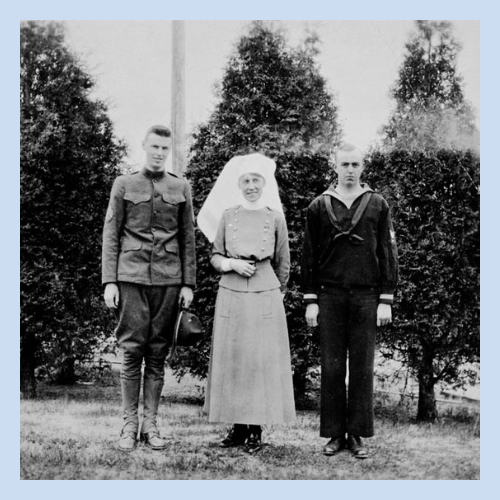
Brave Souls: heroes amongst us
This project will have pairs or small groups of students review primary source materials to critically think about how nursing Sisters contributed to the changing role of women in the early 20th century. As a final output, they will be expected…
-
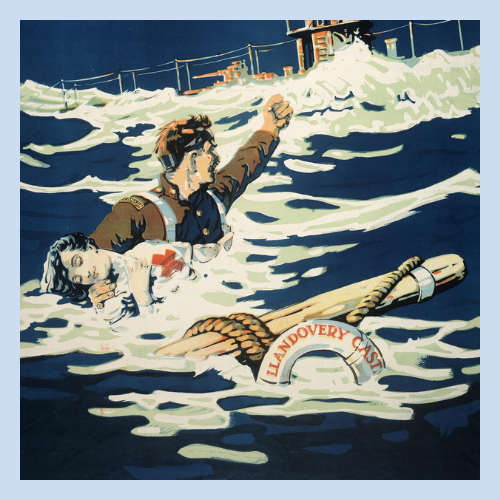
Llandovery Castle: Tragedy at Sea
Within the project students will be working in pairs or small groups to examine primary and secondary source material about the attack on the HMHS Llandovery Castle. As a final output, they will be expected to independently write critical thinking based…
-
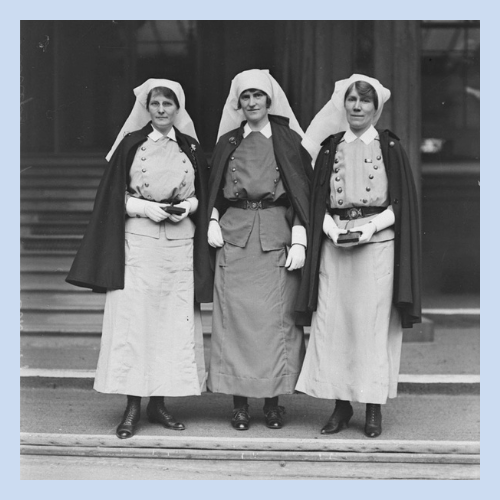
Women in the Canadian Military: 1885 to Present A Humanities Study of the Four Major Schools of Feminist Thought
The exploration begins with a class examination of the four major schools of Feminist Thought though a short video and handout. Then in small groups the students will examine specific examples of women in the Canadian Military. The groups will then…
-
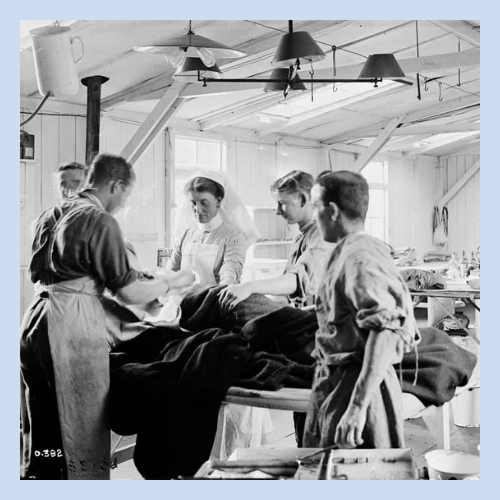
The Evolution of Medical Treatment in the Great War
After gaining context through watching a short video, and examining a website to understand how soldiers made their way from the battle front to the hospital, student groups will explore a specific innovation and its significance to the war. They will…
-
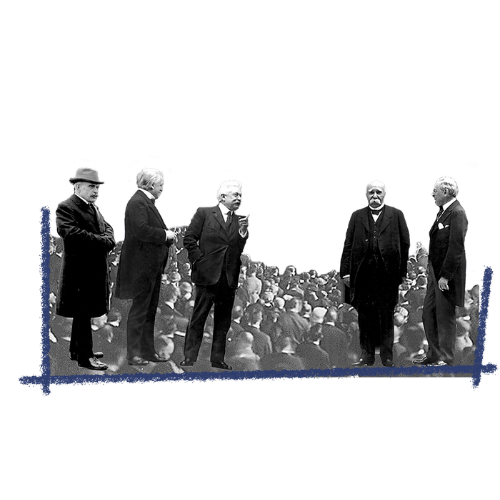
Renegotiate the Treaty of Versailles
This historical role-playing game lets students come up with their own conclusion to the war while demonstrating the difficulties of diplomatic negotiation and teaching about the conflicting hopes and expectations that shaped this important document.
-
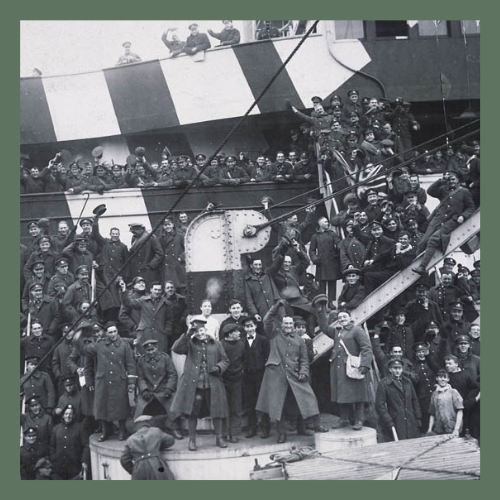
Canadians of the Great War: A Primary Source Analysis
This lesson is designed to have students examine example personnel files of the people who made up the Canadian Expeditionary Force (CEF). We tend to see the black and white images of the war and neglect to ask: who were these…
-
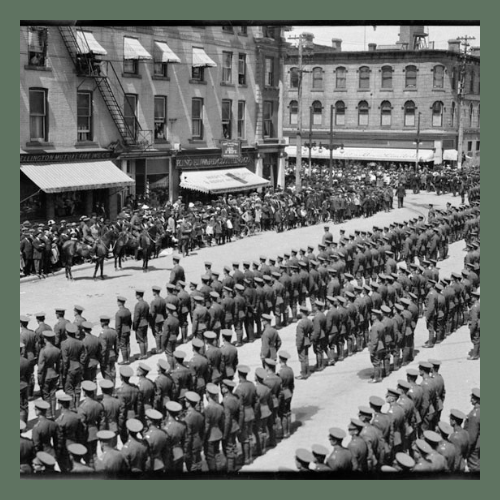
Putting war-time Guelph on the map: Mapping how a small community planned for war
In this activity, students will investigate how a small town community in Ontario mobilized for war. For the purpose of this lesson, Guelph, Ontario has been chosen as the case study; however, research materials and weblinks for the exploration of other…
-
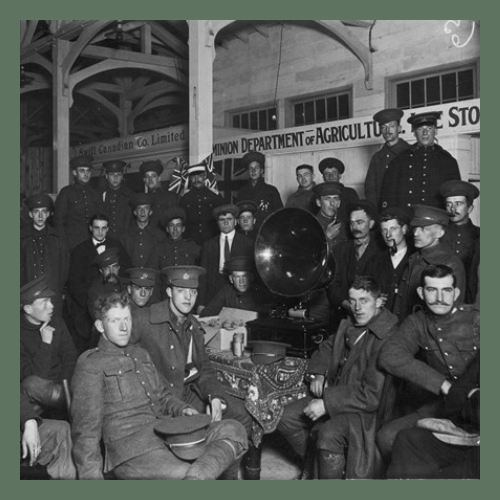
Canada’s First World War Soundtrack
In this activity, students will investigate music composed, published and performed by Canadian composers, poets and lyricists during the First World War. Students will engage inquiry-based learning and source analysis activities that will enable them to explore the imagery on sheet…
Digital tools and resources
-
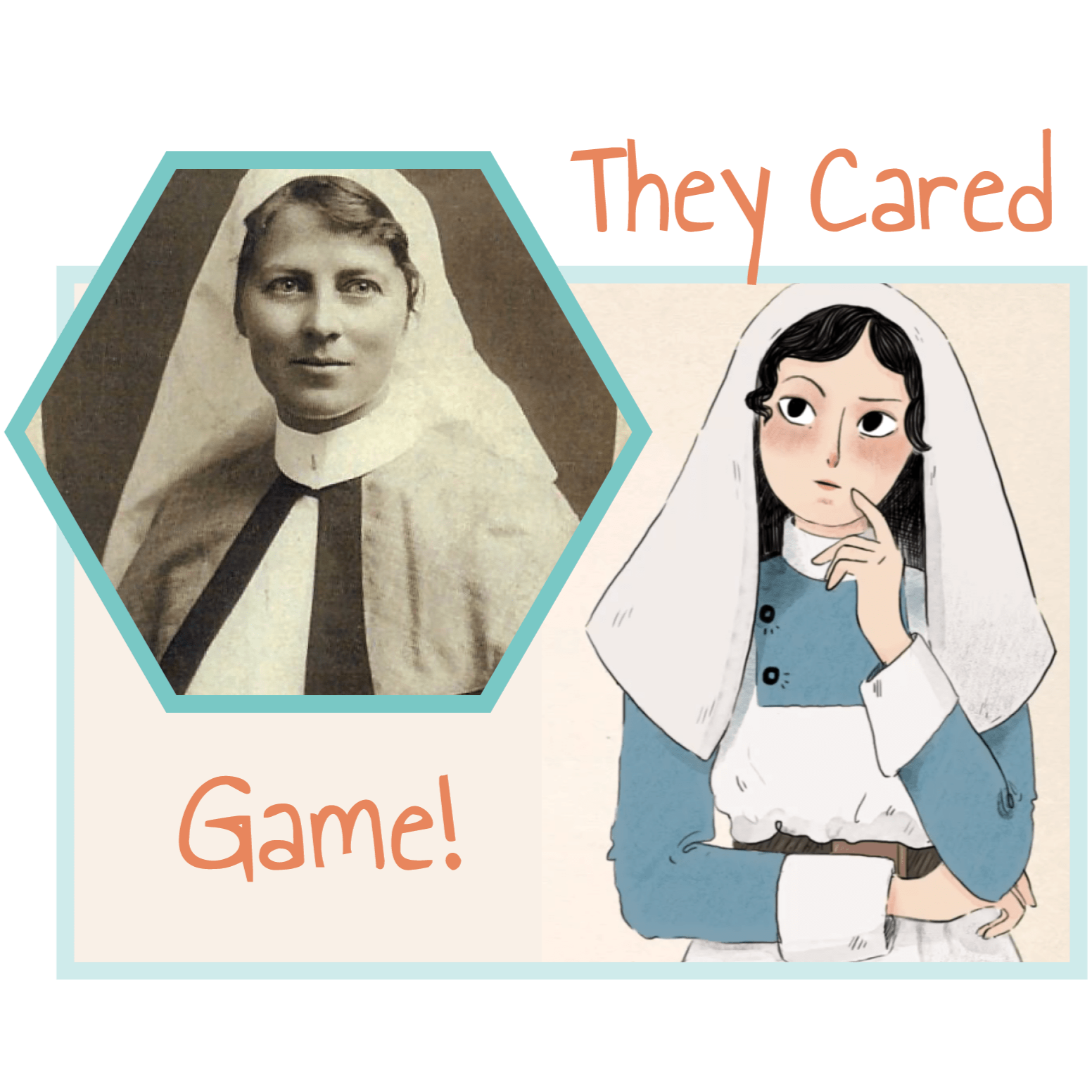
They Cared – The Game
Put yourself in the shoes of nursing sister Miriam Eastman Baker in this interactive game!
-
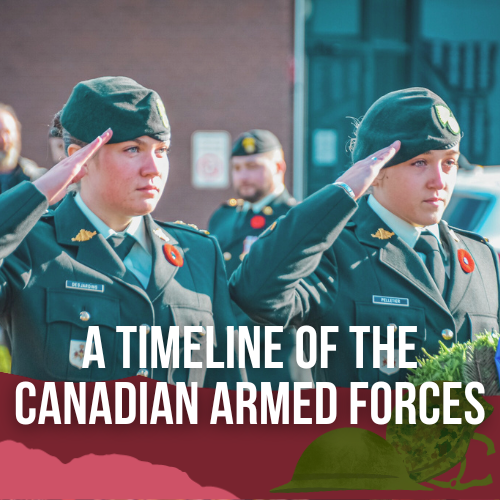
A Timeline of the Canadian Armed Forces
This interactive timeline outlines a brief history of the Canadian Armed Forces and can be used as a teaching tool, or as reference information for teachers.
-
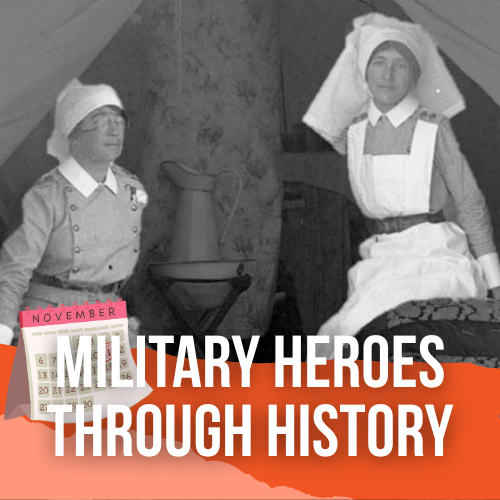
Military Heroes Through History
Highlighting Diverse veterans on Remembrance Day This slide deck is intended to provide examples of veterans from diverse backgrounds who have served in the Canadian military since the First World War. When using this slide deck as part of a Remembrance…
-
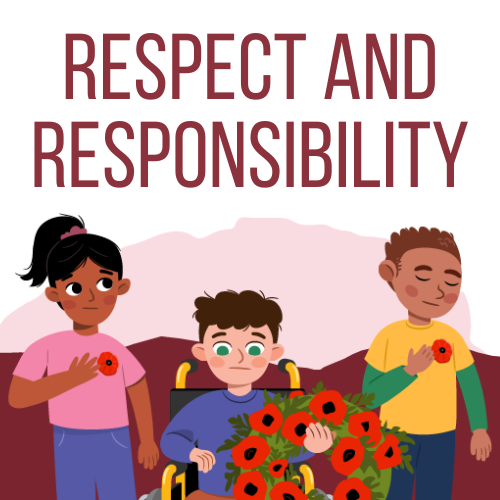
Respect and responsibility
Intended Age Group: Kindergarten to Grade 2. Students will learn about the roles and responsibilities of different members of the Canadian Armed Forces, and explore the meanings of peace, conflict, and respect.
-
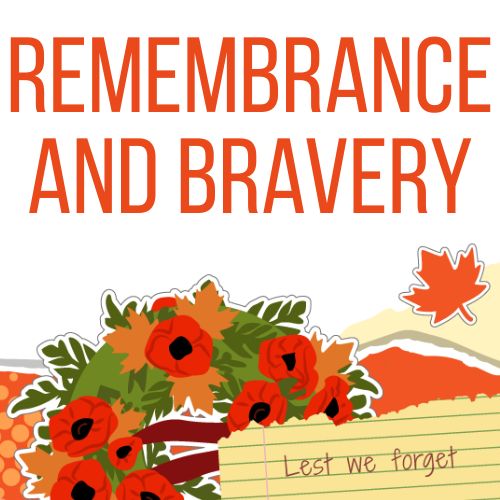
Remembrance and Bravery
Intended Age Group: Grade 3 to Grade 5. Students will explore the origins and history of Remembrance Day. Students will also learn about what bravery means and reflect on the importance of Remembrance Day as a National Observance.
-
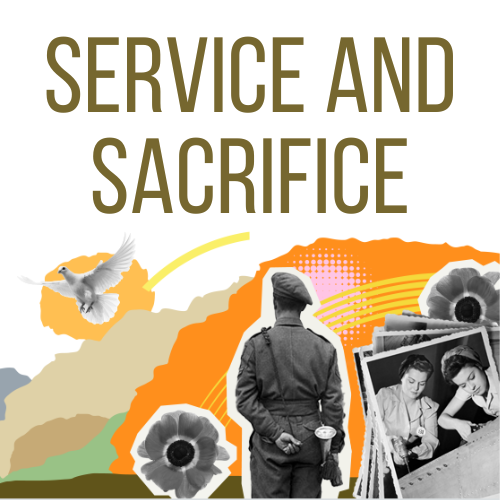
Service and Sacrifice
Intended Age Group: Grade 6 to Grade 8. Students will learn about the history of Canada’s involvement in world conflicts. They will also explore the sacrifices made by Canadians during times of conflict and reflect on what it means to serve.
-
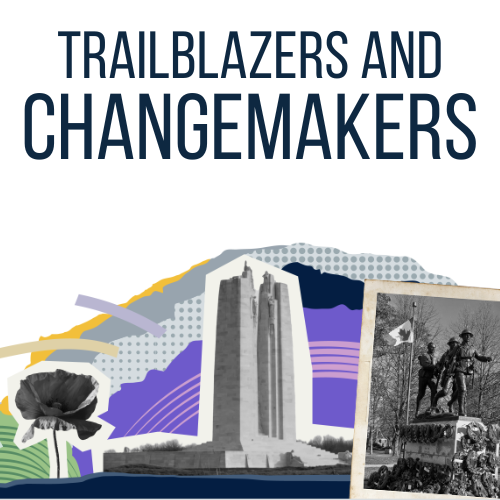
Trailblazers and Changemakers
Intended Age Group: Grade 9 to Grade 12. Students will explore stories of members of the Canadian Armed Forces who have positively impacted Canadian society. Students will also explore the importance of celebrating these individuals on Remembrance Day.
-
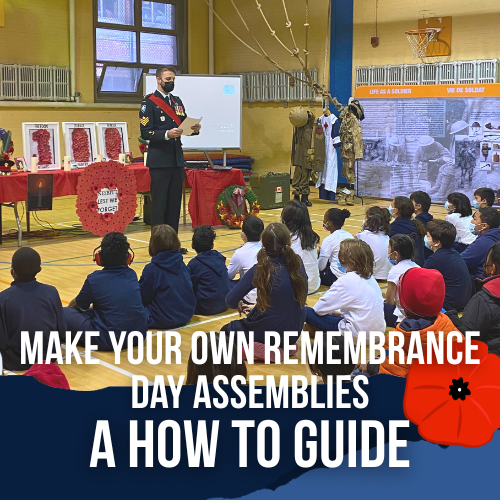
Remembrance Day: A how to guide
Thinking of having a Remembrance Day ceremony, but are not sure where to start? Our how-to guides provide educators with the resources to create their own Remembrance Day ceremony. Click on the following link below to access the appropriate guide for…
-
Forgotten War: Docuseries
A collaboration of Honouring Bravery and TVO Media Education Group, each 10-minute documentary explores the experiences of a member of the Canadian Armed Forces. Please note: the videos in this documentary series discuss topics that are not suitable for all ages. Educator…
-
First World War Slang Matching Game
Do you know what a blanket drill is? How about a bluebird? Test your knowledge of slang used by members of the Canadian Expeditionary Force in this fun matching game.
-
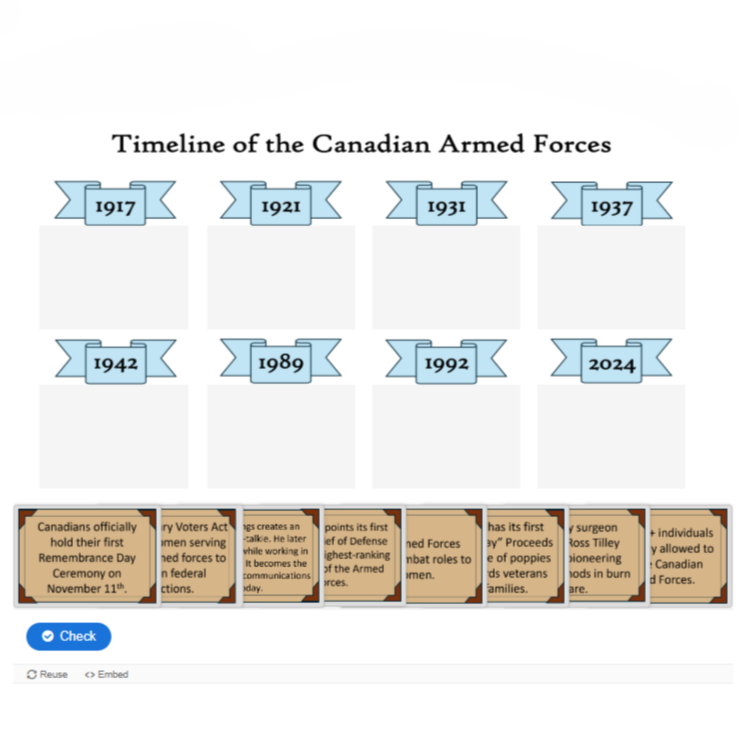
Timeline Game
How well do you know Canada’s military history? Test your skills with our timeline game.