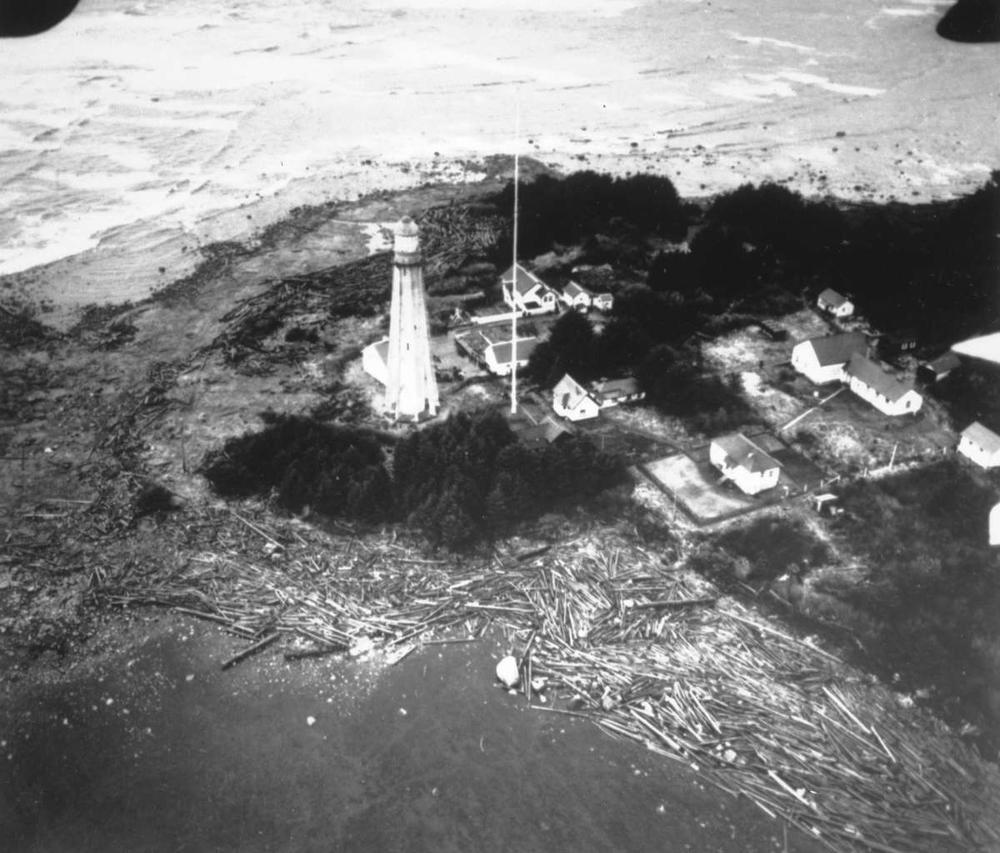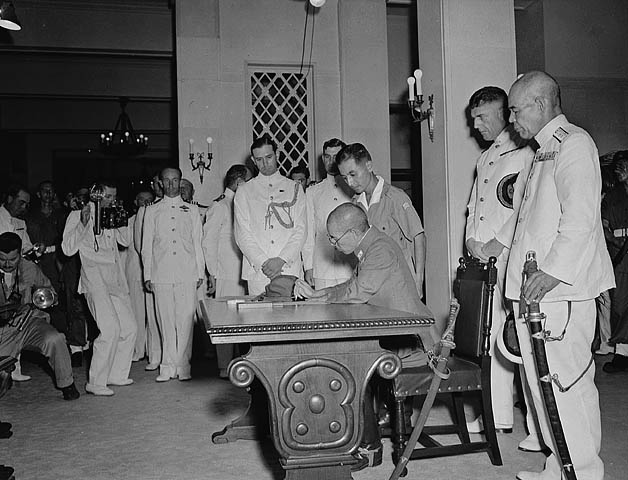
the Asia-pacific theatre

Think: The war against Japan was just one part of the greater story of the Second World War. Use the timeline to explore important events of the Second World War. How does the Asia-Pacific theatre fit into this larger story?
Japan the conqueror
Like Germany and Italy, Japan also sought to expand its territory after the First World War. Although it claimed it wanted to liberate Asia from white colonizers and create an “Asian co-prosperity sphere,” Japan was actually looking to greatly expand its own colonial empire.
Explore: Click on each image to learn about important moments in Japan’s quest to form its colonial empire.
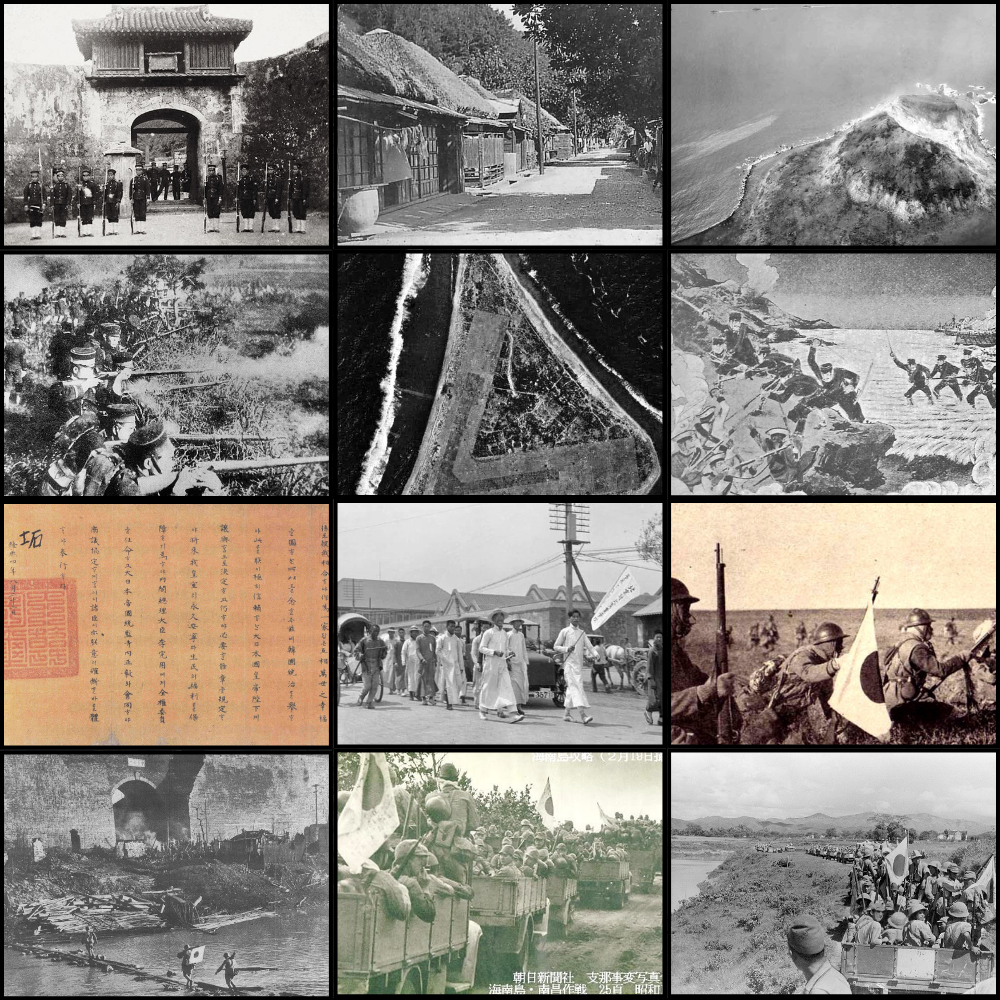
After annexing multiple islands around the Japanese archipelago, Japan’s army turned to the mainland to first invade Manchuria and then China. In 1940, when Germany occupied France, Japan attacked French Indochina.
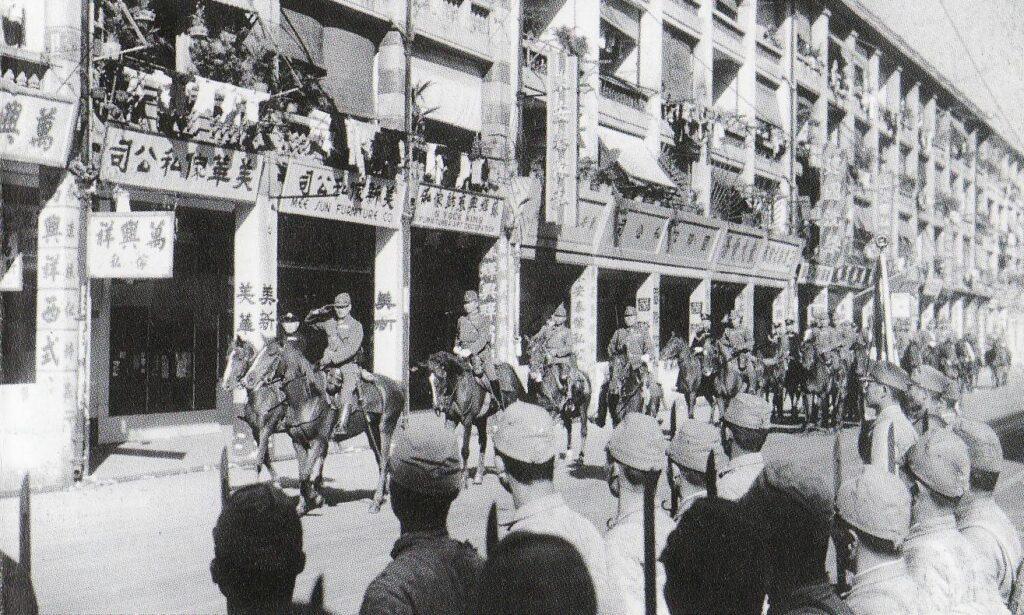
For the United States, Britain and the Netherlands, all of whom occupied significant territories in Asia, the loss of French Indochina was the ultimate sign that Japan was a true threat. The Allies were dreading an eventual attack on their colonies in Asia, but little effort was made to actually deter them. After all, the war in Europe was their main focus and much couldn’t be committed for a war in Asia. Despite their hopes, these fears materialized on December 7, 1941, when the Japanese armed forces launched a surprise attack on the US territory of Hawaii’s major base at Pearl Harbor. At the same time, though it was December 8 on the other side of the International Date Line, coordinated attacks on other Western territories, such as the Philippines, Malaysia, Guam and, finally, Hong Kong. The war in the Asia-Pacific theatre had officially begun.
Forgotten Front: Canada in the Pacific War