Hong Kong

The Battle of Hong Kong was not only the first fray in the Asia-Pacific theatre, it was also Canada’s first major land battle of the Second World War.
Did you know?
The Chinese Qing empire (1636-1912) ceded the Hong Kong region to Britain after the Opium Wars in the mid-19th century. This small territory was comprised of Hong Kong Island, the Kowloon Peninsula, and the New Territories. The majority of its inhabitants were Chinese; however, a small, privileged class of people of Western origin governed the region’s affairs.
During the 1940s, Japan’s aggressive stance directly threatened the British territory of Hong Kong. The best-case scenario was that the Japanese would be too afraid to attack the colony. In the worst case, the reinforcements would at least hold out as long as possible to protect Singapore, a key strategic point. London had few illusions: the colony was largely indefensible and reinforcements would not change the situation. The idea was to dissuade the Japanese.
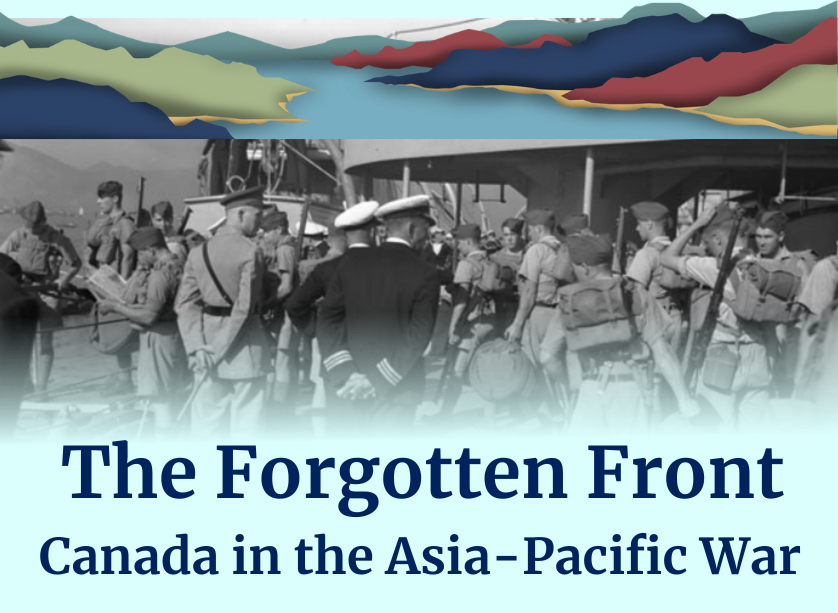
In September 1941, London asked the Canadian government to send two battalions to Hong Kong on a mission with “no military risk.” The request was granted. Canada sent the Royal Rifles of Canada and the Winnipeg Grenadiers to the colony to form the “C” Force. However, both regiments were poorly trained and had never seen combat.
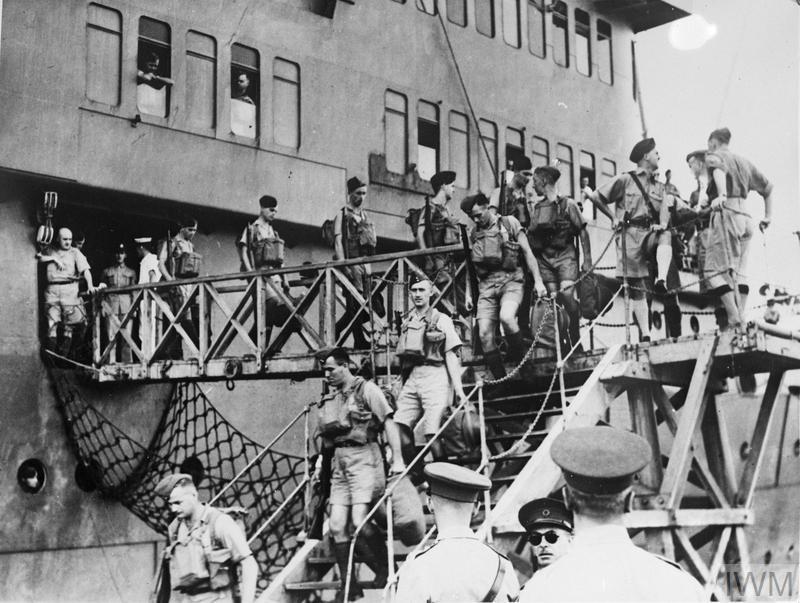
Regiments of C Force
Royal Rifles of Canada
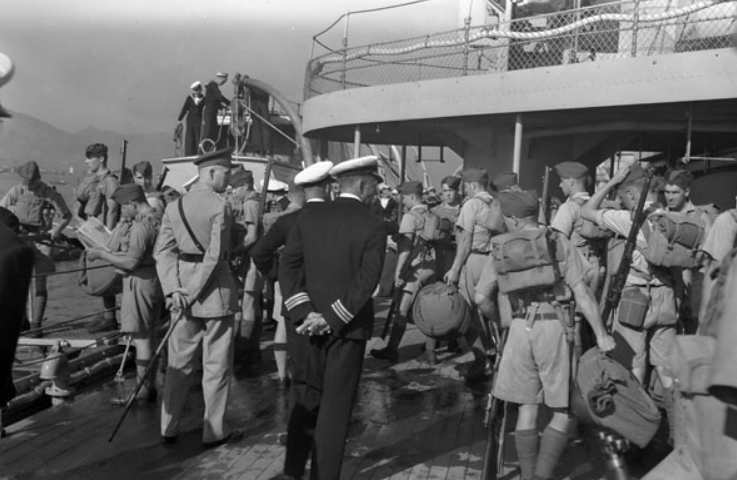
Called out on active service in July 1940, this regiment came mainly from the Quebec City area and the Eastern Townships; about 40% of its troops were bilingual Francophones. In October 1941, they boarded a train in Quebec City and, to their surprise, headed west. They had no idea where they were going.
Winnipeg Grenadiers
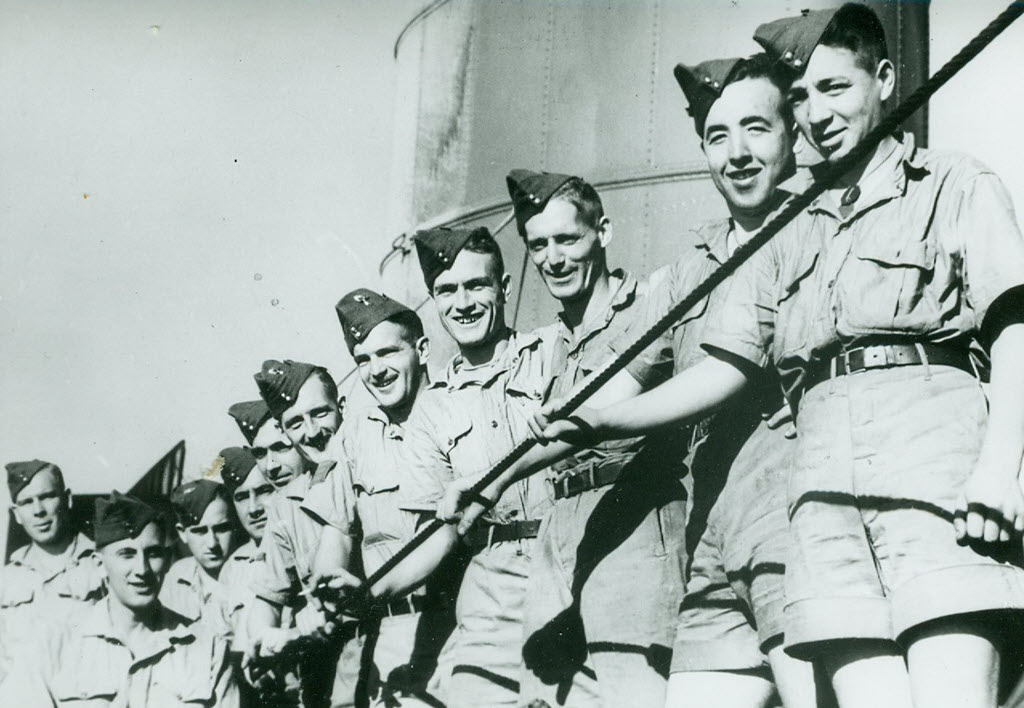
Founded in Manitoba, the Grenadiers trained for combat in Europe but were not immediately sent into action. After a first mission in Jamaica, the regiment was called back to Canada before being led to its next mission. The Winnipeg Grenadiers left Vancouver with the Royal Rifles on October 27.
Snapshots of Service
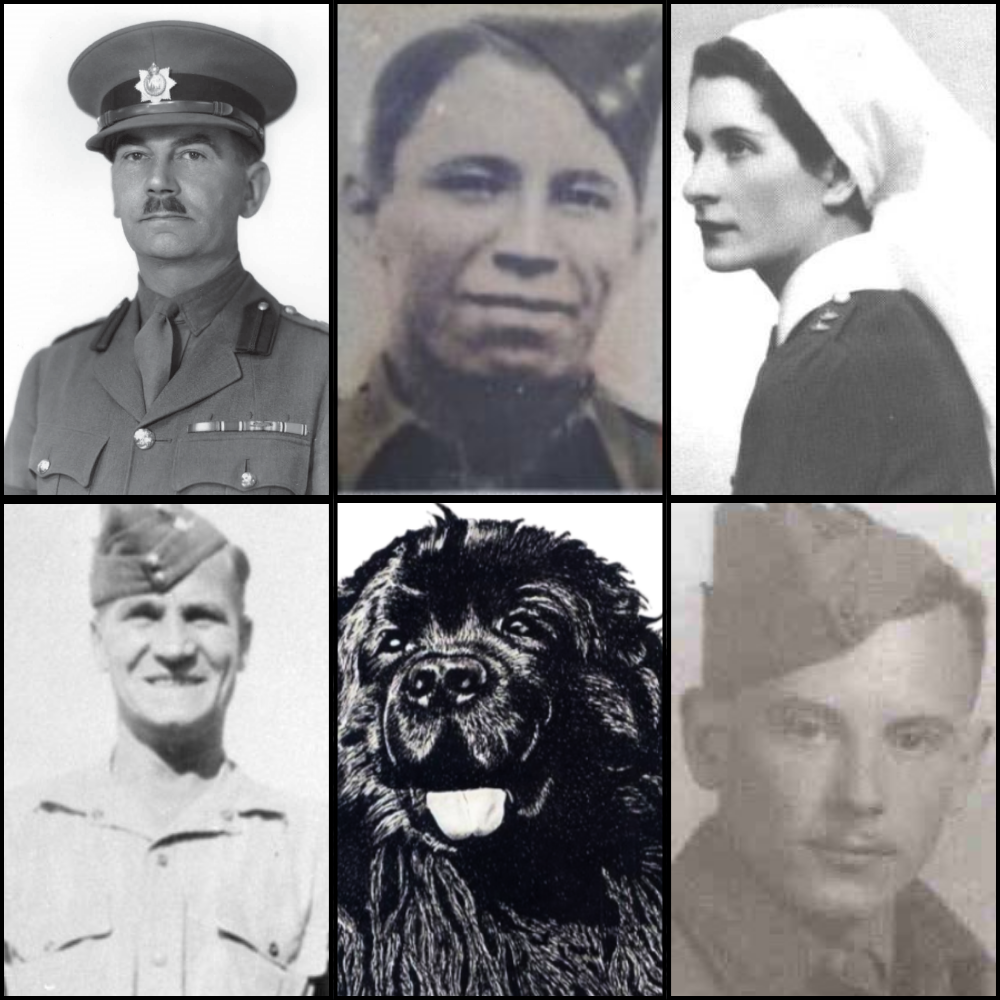
The Canadians arrived in Hong Kong on November 16, 1941 to an enthusiastic crowd, which mistakenly believed that the new troops would effectively shore up the colony. As the soldiers trained over the next three weeks, they also spent time enjoying the colony’s services; they ate out at restaurants and got hair cuts, shoe shines, and even tattoos! In essence, few people took a Japanese attack seriously.
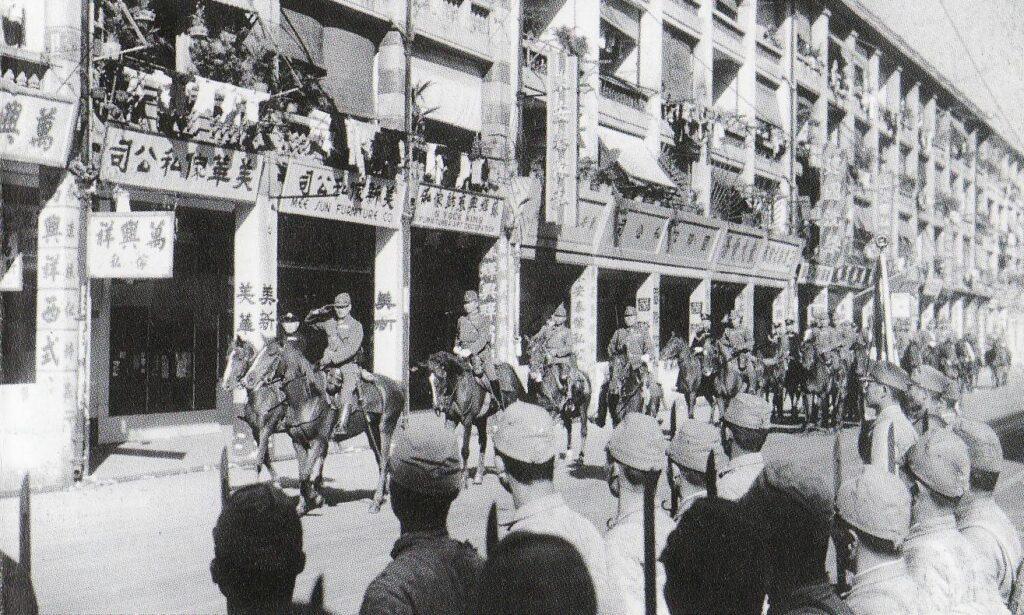
However, when Japanese forces began the attack on Hong Kong on December 8th, defeat was already certain. The Allies had concentrated most of their defences on the seaward side, as they thought that the difficult terrain of the peninsula would block off the Japanese. Some even believed that the Japanese soldiers could not see at night because of their slanted eyes. They were therefore taken by surprise when thousands of Japanese soldiers crossed the border the night of December 7th to December 8th and massively attacked the allied positions.
It was not only Canadians defending Hong Kong during the battle. The Allies numbered about 14,500 in all and included two British battalions, two Indian battalions, along with four artillery regiments. There were also several thousand British, native Hongkongers and Chinese civilians who joined the Hong Kong Volunteer Defence Force to support the Allies.
They were backed by a number of Nationalist Chinese troops commanded by Admiral Chan Chak of the Guomindang Navy. The latter was instrumental in initially thwarting efforts to sabotage the maneuvers of the defenders during the battle.
“Hong Kong was an isolated, unprepared military death trap. If the Japanese attacked, we had two options: we could die on the battlefield or become prisoners of a savage enemy.”
– George S. MacDonnell, Sergeant, Royal Rifles of Canada
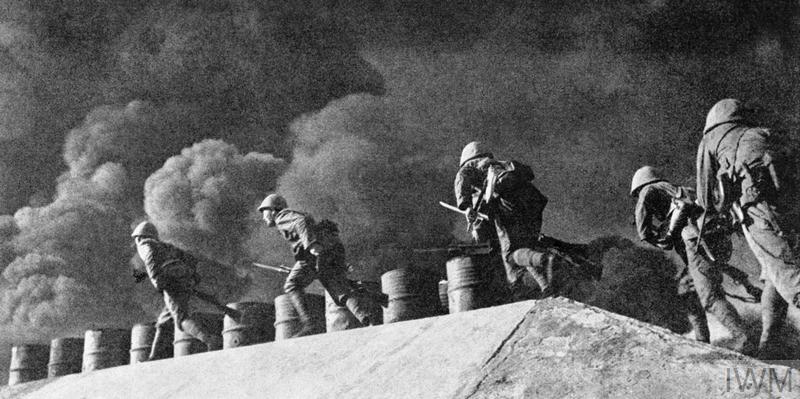
For the Allies, the battle degenerated into chaos: their lines of communication were quickly cut, officers often misunderstood each other, and, to make matters worse, groups of saboteurs attacked their defensive positions. The Japanese advanced rapidly while the Allies struggled to hold their positions. The island was eventually cut in two, and different groups of defenders were isolated from each other.
The battle was notorious for its brutality, as the defenders lost all of their men as casualties. The Japanese showed no mercy and surrender was not an option. Many Allied soldiers who yielded to the invaders, or were found wounded, were swiftly executed by the enemy. In acts of unusual violence, Japanese soldiers went to Red Cross hospitals and killed injured soldiers and medical staff. The remaining defenders were quickly captured by the Japanese and taken to camps.
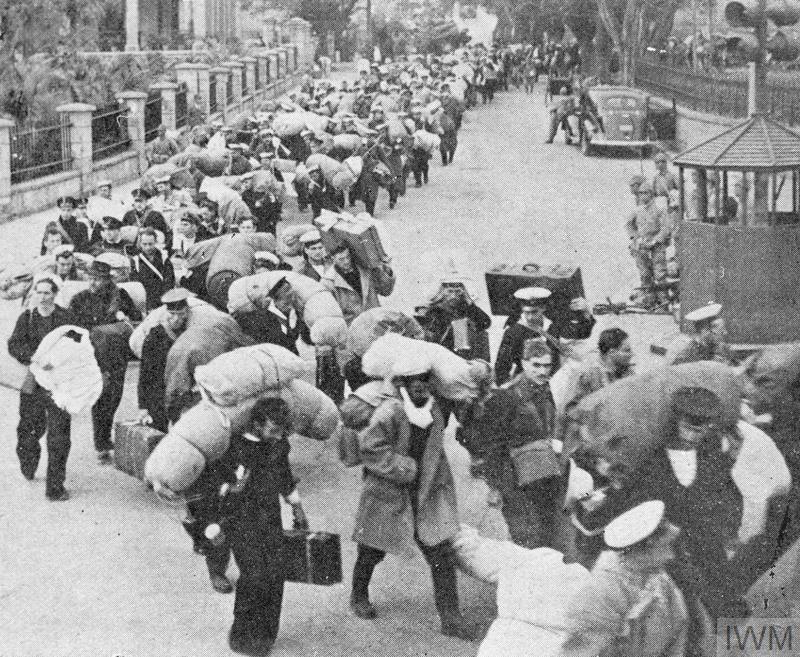
Think: We often associate courage and victory. What does it mean to be courageous in defeat?
44 Months in Hell
The captured Canadians were imprisoned for 44 months. In Hong Kong, they were detained first at North Point Camp before being transferred to Sham Shui Po Camp, where they did forced labour reconstructing the Kai Tak airport, throughout 1942. That same year, the Government of Japan began transferring Allied POWs to its archipelago. The first Canadian prisoner transfer to Japan occurred in 1943. There, many of them were forced to work at construction sites to support the Japanese war effort.
Whether in Hong Kong or Japan, all camps had deplorable conditions. They were overcrowded and lacked clothing, bedding and services. The Canadians were severely undernourished and ate less than half the food they needed on average. The poor-quality food included revolting, worm-filled rice with the occasional boiled vegetable and a small ration of meat or fish.
In both Japan and Hong Kong, prisoners lived in harsh conditions, with parasites, flies, rats and snakes that exposed them to diseases. Malnourishment also took its toll, as many men fell ill.
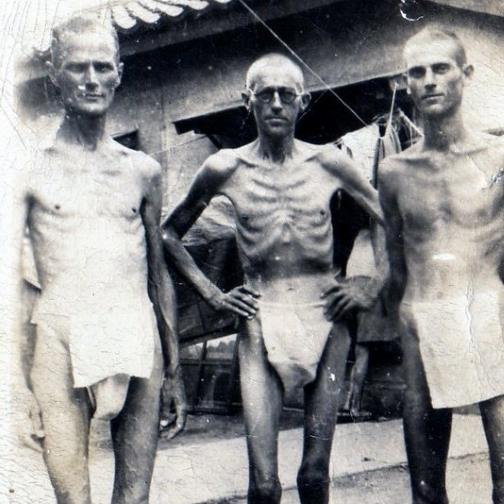
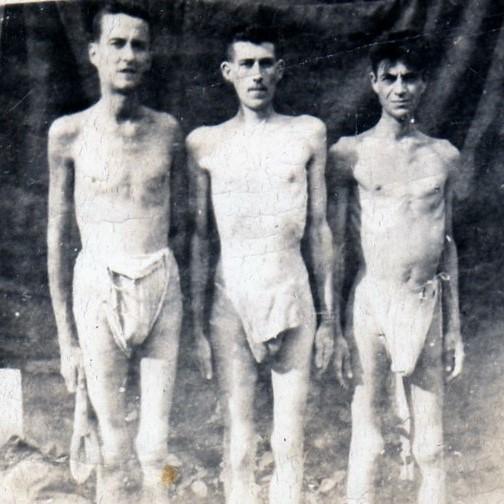
Malnourished Prisoners of War at camps run by the Japanese Army (Hong Kong Veterans Commemorative Association).
Four contingents of Canadians were transferred to Japan, with the first transfer on January 19, 1943. The journeys were appalling, as prisoners were packed into the holds like sardines. Men came down with malaria, diarrhea and dysentery during these transfers. They had no way to wash themselves during these trips, which lasted multiple days.
When they arrived in Japan, they were sent to different camps to do heavy work in mines, factories, or on docks. The work at all camps was dangerous: the men were very weak due to malnutrition and had little in the way of equipment or tools to do their tasks. Many serious accidents occurred.
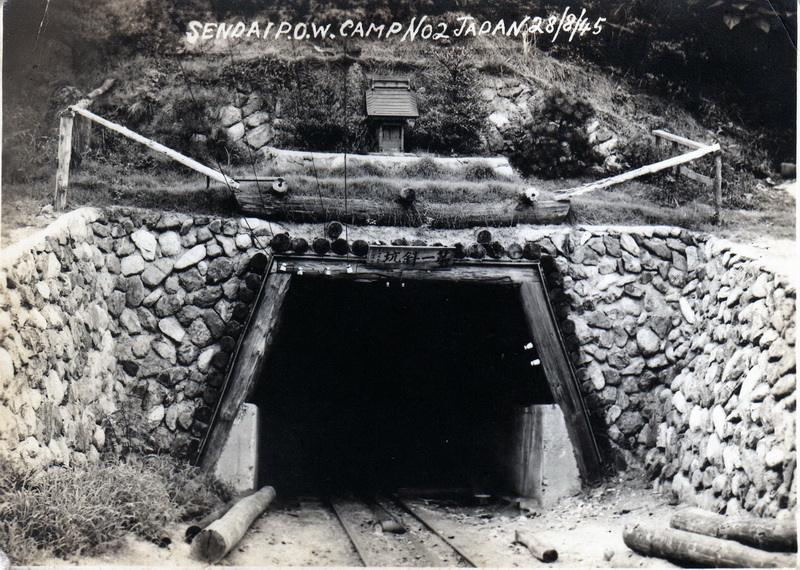
The guards frequently hit the prisoners with their weapons or slapped them. A number of Canadians also later testified that they were humiliated and tortured at the camps. In the most extreme cases, the guards executed prisoners after serious transgressions. In return, the soldiers often turned to sabotage as a way to resist. For example, on January 20, 1944, Staff Sgt. Charles Clark and Cpl. Kenneth Cameron started a fire that paralyzed the entire shipyard at Camp Tokyo 3D. Their act reduced the shipyard’s production by 60%.
At the Ohashi Camp in Kamaishi, Japan, one of the most infamous prison guards was Kanao Inouye. Known as “The Kamloops Kid”, Inouye was born in British Columbia in 1916. His father served in the First World War and earned the Military Medal for his actions at the Second Battle of Cambrai. Inouye moved to Japan in the 1930s for university. Although born in Canada, under both Japanese and Canadian law he was considered a Japanese citizen and was conscripted into the Japanese military. During his time at the POW camp, he beat and tortured the Canadian POWs, later stating that his actions towards them were in retaliation for the racism and abuse that he experienced in Canada. After the war, he was convicted for war crimes and sentenced to death.
Forgotten Front: Canada in the Pacific War