Meanwhile in Canada

Protecting Canada’s West Coast
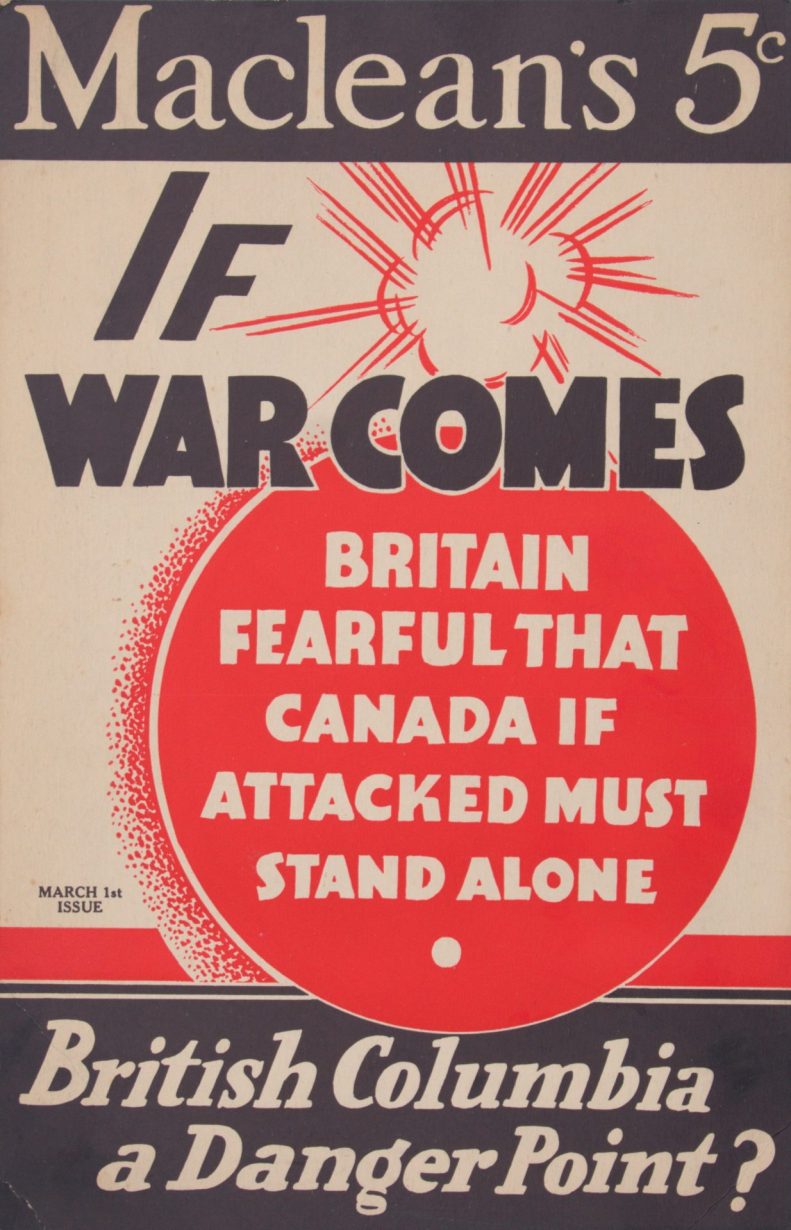
In the years leading up to Japan’s declaration of war, there became a growing concern about how to adequately defend the West Coast against potential attacks. The military increased defences at sites along the coast and prepared for any threats along the coast.
Macleans promotional poster about security concerns on the West Coast (Mike Di Tomaso).
Did you know?
The Royal Canadian Navy had two main naval bases in British Columbia. Both played an important role in Canada’s defence strategy.
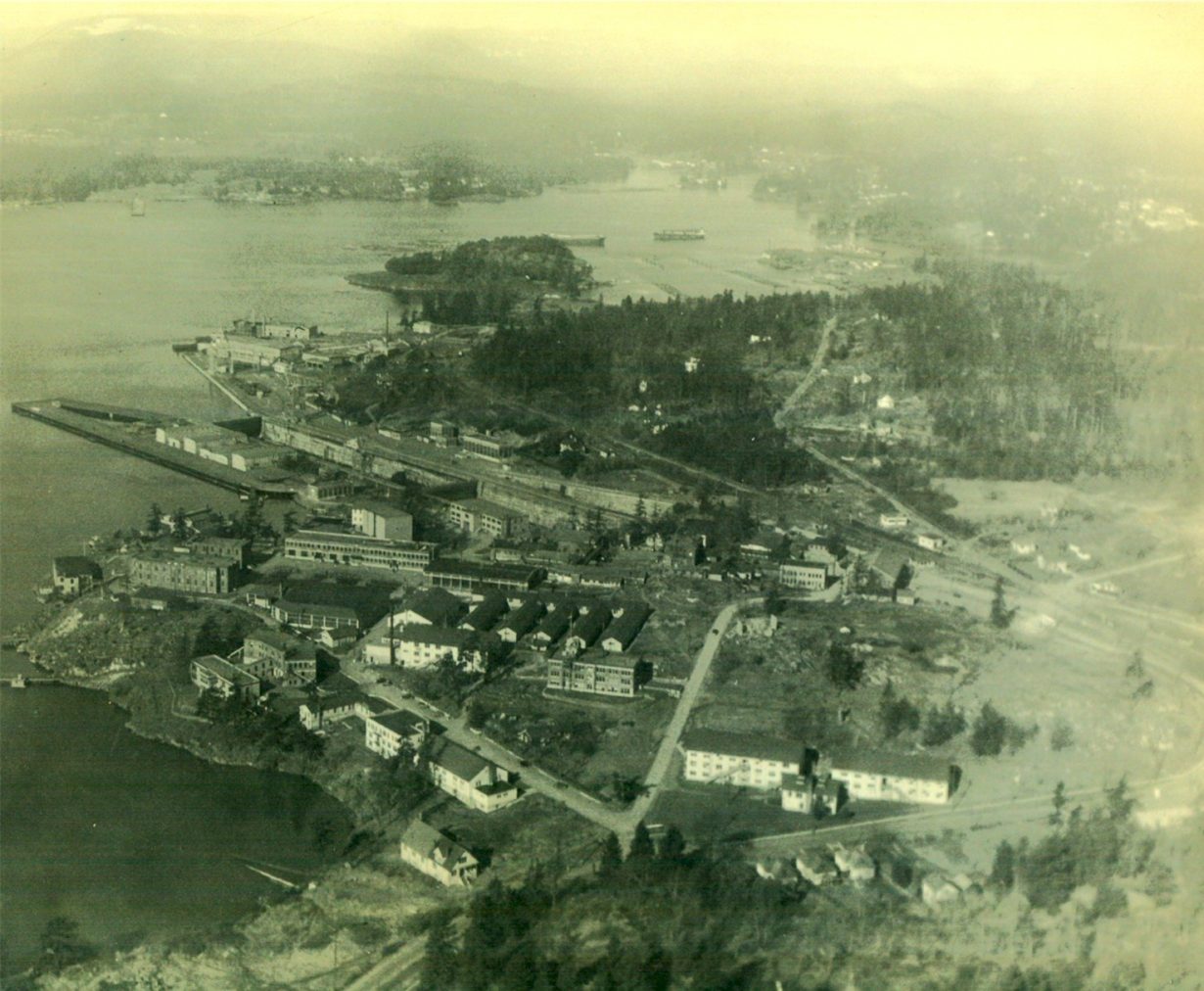
Built in 1922, the Navy expanded operations at HMCS Naden and Esquimalt Harbour. During WWII, it became the main centre for naval training in the west and was expanded to support the increase in personnel.
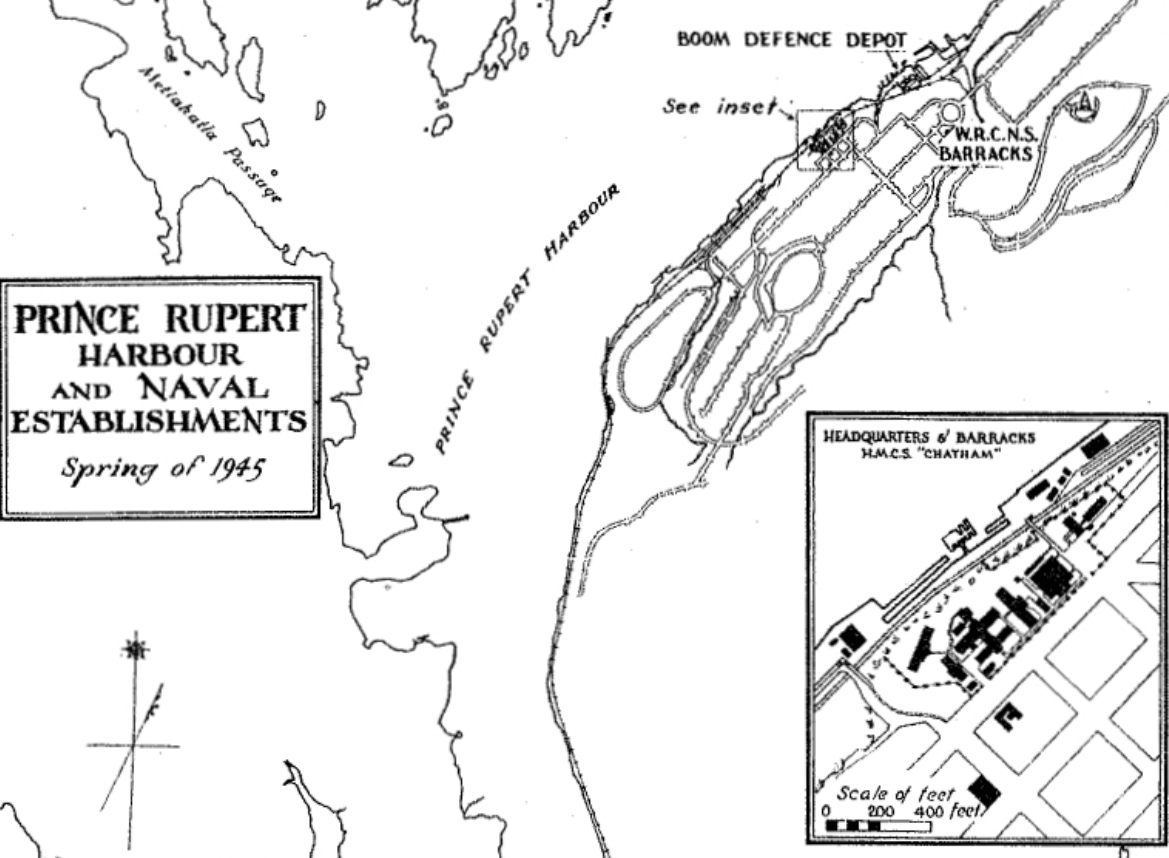
HMCS Chatham was commissioned in 1942. As the northern end of the transcontinental railway ended in Prince Rupert, HMCS Chatham and the surrounding site became not only an important location for defence, but also for the movement of troops and equipment for both the Navy and The U.S. Army.
Snapshot of Service
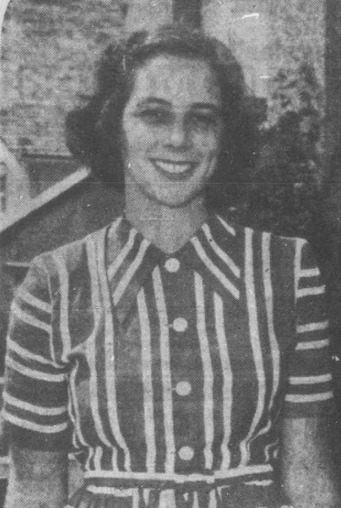
Sage Janet Ley was born in Victoria in 1925. In 1944, she joined the Women’s Royal Canadian Naval Service and served in Victoria and on Bainbridge Island in Washington. She was one of around 50 telegraphists who intercepted coded Japanese radio messages on the pacific coast. In 2015, she received the Bletchley Badge for her contribution to the war effort.
The Gumboot Navy
To help bolster coastal defence and surveillance, the Navy looked to an untapped resource: Canadian fishermen. In 1938 the Canadian government approved the creation of the Fisherman’s Naval Reserve (FR). Known as the Gumboot Navy, the FR was a special reserve force made exclusively of fishing crews that volunteered to solely serve on the West Coast. The crews trained during the fishing offseason and their boats were augmented with military equipment and weapons. At its height, there were over 900 members and 40 fishing boats in the FR. FR crews patrolled inlets where traditional naval ships were too big to go. They helped carry supplies, looked for potential threats and investigated illegal fishing boats near the coast. Since they knew the coast so well, some FR personnel also helped fix errors on nautical charts, which made shipping routes safer after the war.
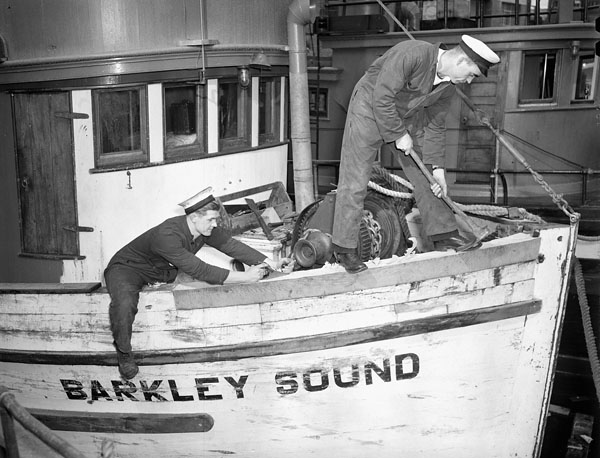
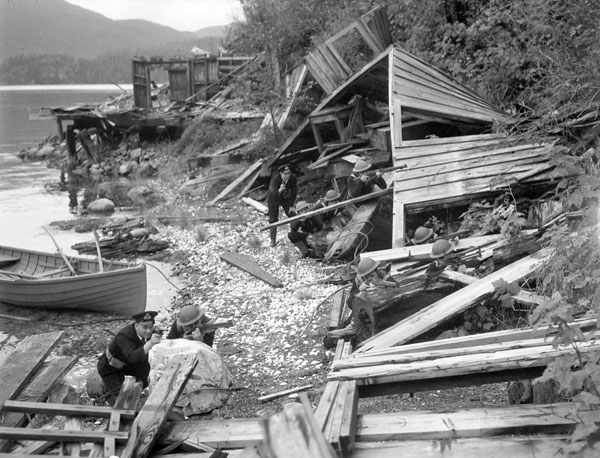
However, not all fishermen could volunteer for the FR. In fact, only White fishing crews could join. This was due to a high degree of anti-alien sentiment, particularly surrounding people of Japanese descent.
Japanese Internment
Japanese Canadians have lived in Canada since the late 19th century. After mainly settling in British Columbia, issei (first generation Japanese) and nisei (second generation Japanese) were often subjected to racism. During the war, tensions escalated.
After the Battle of Hong Kong, a wave of xenophobic and unfounded rumours spread against Japanese Canadians, who were portrayed as spies and saboteurs. The Canadian government decided to incarcerate them under the War Measures Act, although the army warned that this detention was unnecessary.
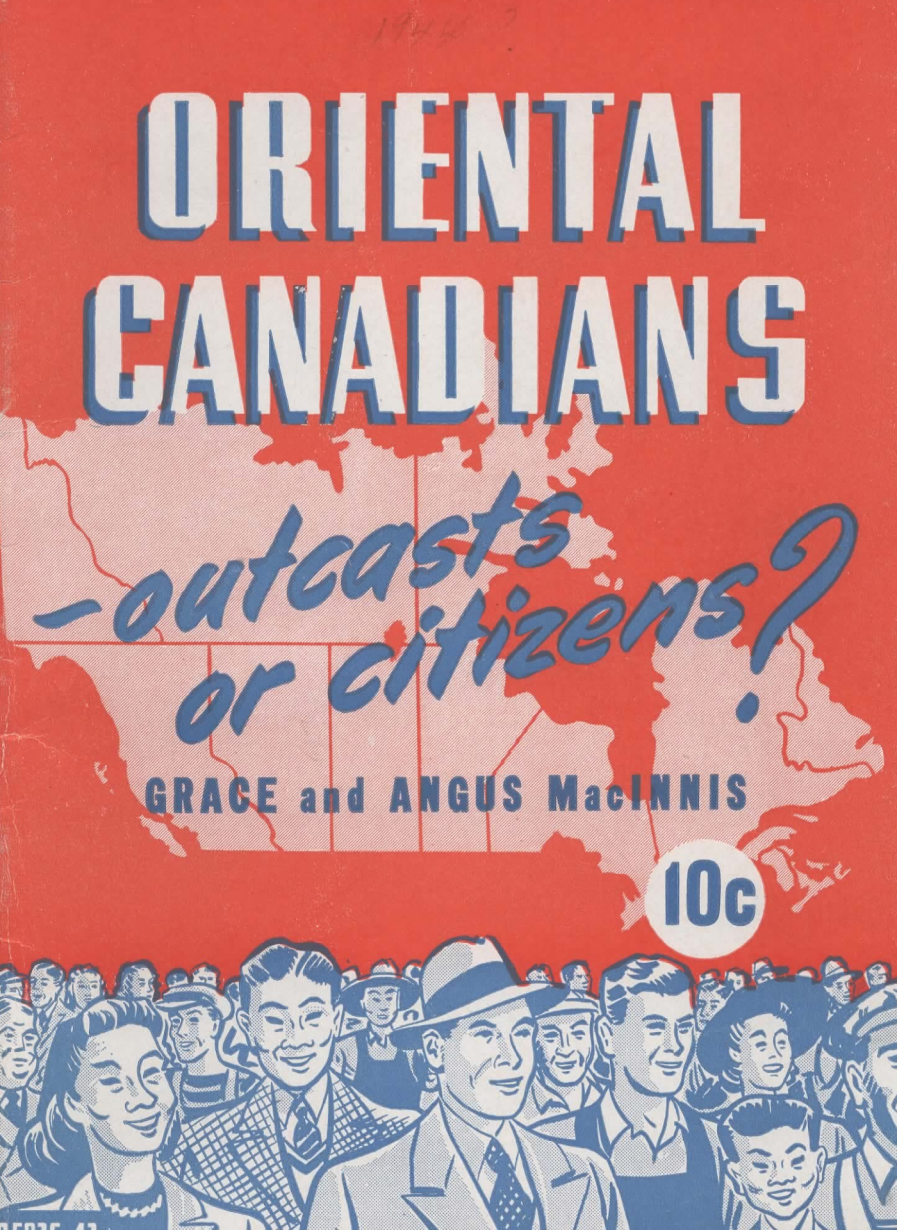
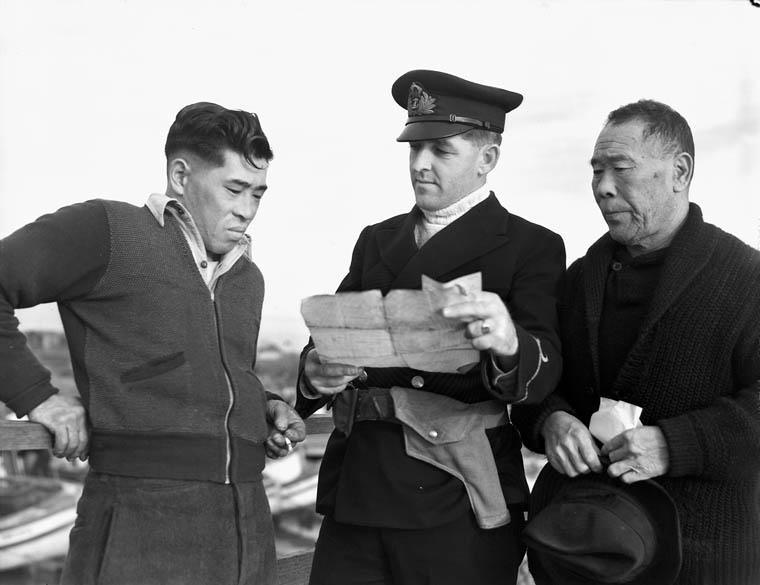
In February 1942, the Government forced the evacuation of all Japanese Canadians from the West Coast and created camps along the highways where the men would be forced to work. They were separated from their families, who were housed in camps set up in old farms and stables.
After deporting the Japanese Canadians to the camps, the Government seized their property and sold it at very low prices. The prisoners did not get any money from these sales, as the proceeds were placed in government-controlled accounts to pay for their internment. The prisoners had to buy their own clothes, food, and anything else they needed to live at the camps.
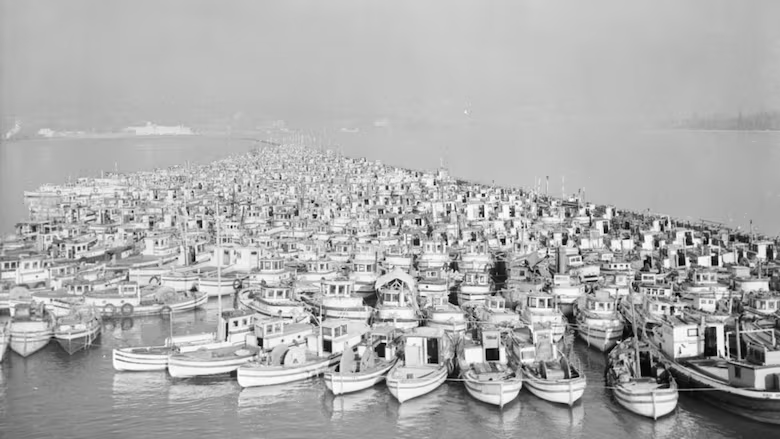
“It was a very sad affair. Most of those fellows had never seen Japan. Some were veterans of World War One and they wore their tunics when they brought their boats in, and all their badges. They had tears in their eyes.”
— A member of the FR reflecting on the treatment of Japanese fishermen
The prisoners had to spend their first winter in tents. They later built huts, but these had no insulation to protect against the climate. At some camps, the living conditions were harsh and humiliating: men and women were separated and crammed into stables that still smelled of horses. There was very little space between the bunks and no privacy to speak of. In the first few weeks, they had to use the animal feeding troughs as toilets, and there was no running water.
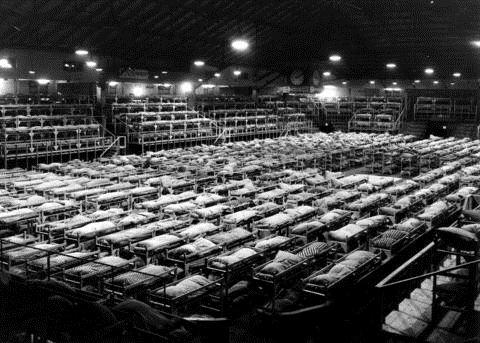
Some Japanese Canadians had to sleep in huge gymnasiums transformed into dormitories during their internment in 1942.
Image: Vancouver Archives
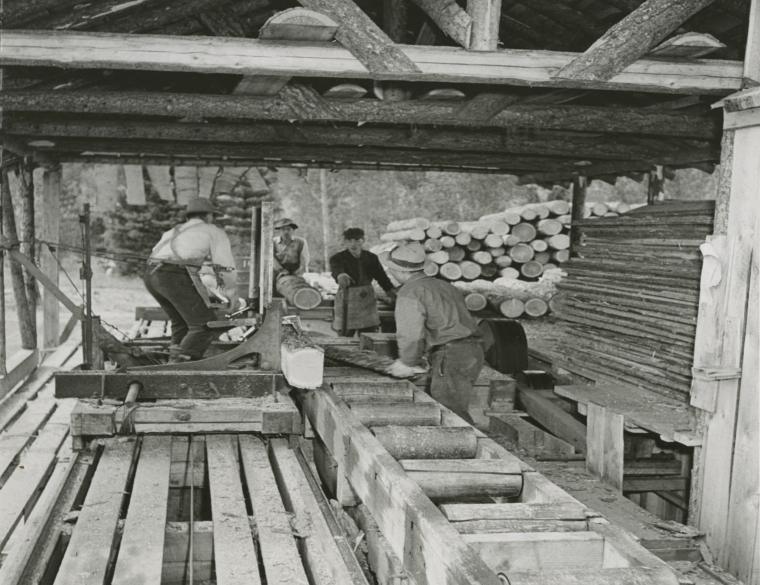
At Lemon Creek camp, Japanese evacuees are forced to cut wood for railroad ties. Photo taken in June 1945.
Image: Jack Long/National Film Board of Canada
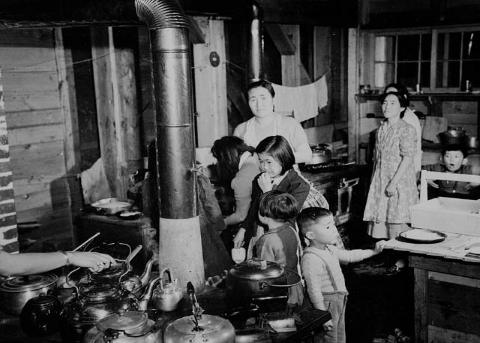
Japanese Canadian families work in the kitchens of a camp in Greenwood, British Columbia, 1943.
Image: National Film Board of Canada
It took the Government a long time to make reparations to Japanese Canadians after the war. It was not until 1988 that the Government offered a formal apology and financial compensation of $21,000 per victim of the detentions.
Snapshot of Service
Frank Moritsugu was 19 when he and his family were forced to leave their home in Vancouver and move to internment camps. They could not bring much with them and most of the possessions that they left behind were vandalized or stolen. Moritsugu’s family was separated and sent to three different internment camps. Under the rules of their internment, Japanese Canadians could leave the internment camps if they left British Columbia and went to a province in the east. After two years of being separated, Moritsugu reunited with his family in St. Thomas, Ontario, where his family relocated to work on a farm.
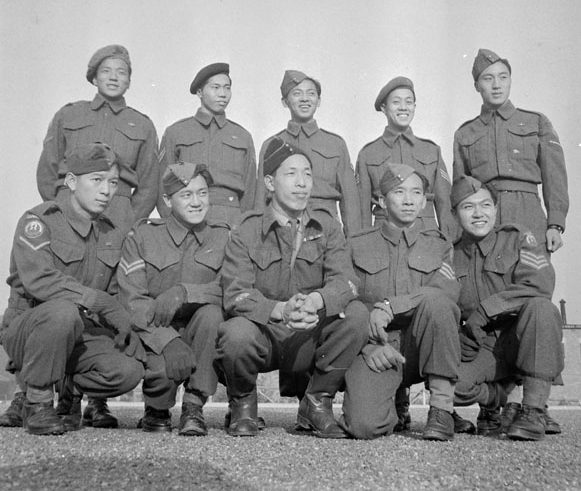
However, as the war with Japan continued, there became a need for members of the Armed Forces who spoke Japanese to work as interpreters for Japanese Prisoners of War. Frank Moritsugu, a Japanese Canadian, wanted to fight for Canada and voluntarily enlisted in 1945 with the Intelligence Corps of the Canadian Army. His parents were unhappy, but he convinced them that by enlisting, he was showing other Canadians that Japanese Canadians were just as patriotic as everyone else and should be seen as equals.
During his service, Moritsugu worked in intelligence operations alongside British troops in India and Sri Lanka. Part of his duties included teaching Japanese to troops and acting as a translator. After the war, he became a journalist and helped in the Japanese Redress movement in the 1980s.
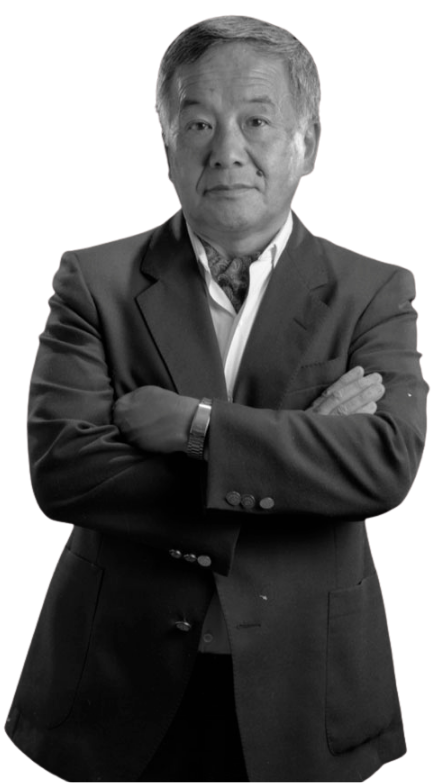
Frank Moritsugu (Andrew Danson/ Library and Archives Canada).
The attack on Estevan Point
On the night of June 20, 1942 Japanese submarines I-25 and I-26 were making their way from a reconnaissance mission off the coast of Seattle, to the Aleutian Islands. Two days before, Admiral Kogoro Yamazaki ordered both submarines to shell any military targets along the coast along the way. As I-26 travelled along Vancouver Island, it passed by the lighthouse and wireless station at Estevan Point. I-26 began firing shells at the lighthouse and although it was not damaged, the event caused panic in the local community. Later that night, the I-25, which was still further south, torpedoed a Canadian steamship called the SS Fort Camosun off the coast of Cape Flattery, Washington that was carrying resources to England for the War effort. Luckily, the steamer and crew survived the attack.
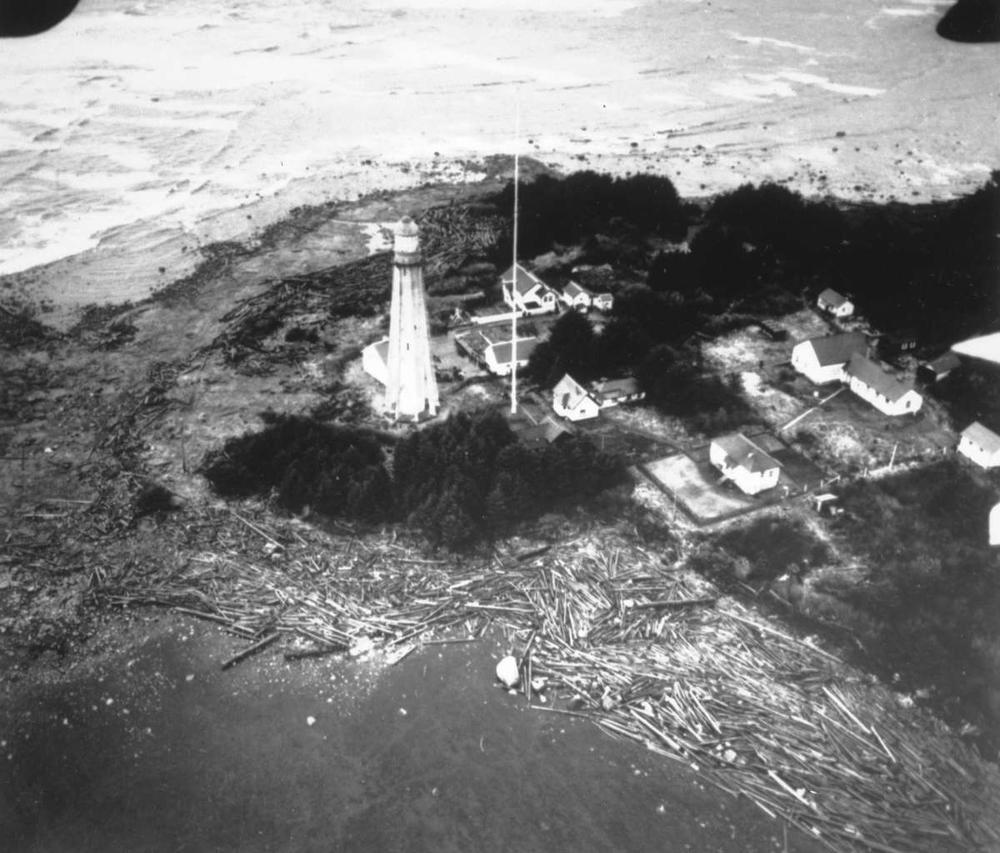

The attack on Estevan point marked the first time since the Fenian Raids in 1871 that enemy forces fired on Canadian soil. The attack also caused concern over the need for more defensive measures on Canada’s West Coast.
Did you know?
The attack on Estevan point was not the only attempt by Japan to attack Canada. Between November 1944 and April 1945, Japan’s Special Balloon Regiment launched around 9000 balloon bombs (called “Fu-Go-Weapons”) from Honshu Island. Aided by the strong winds during the winter and spring, the balloons travelled across the Pacific towards North America.
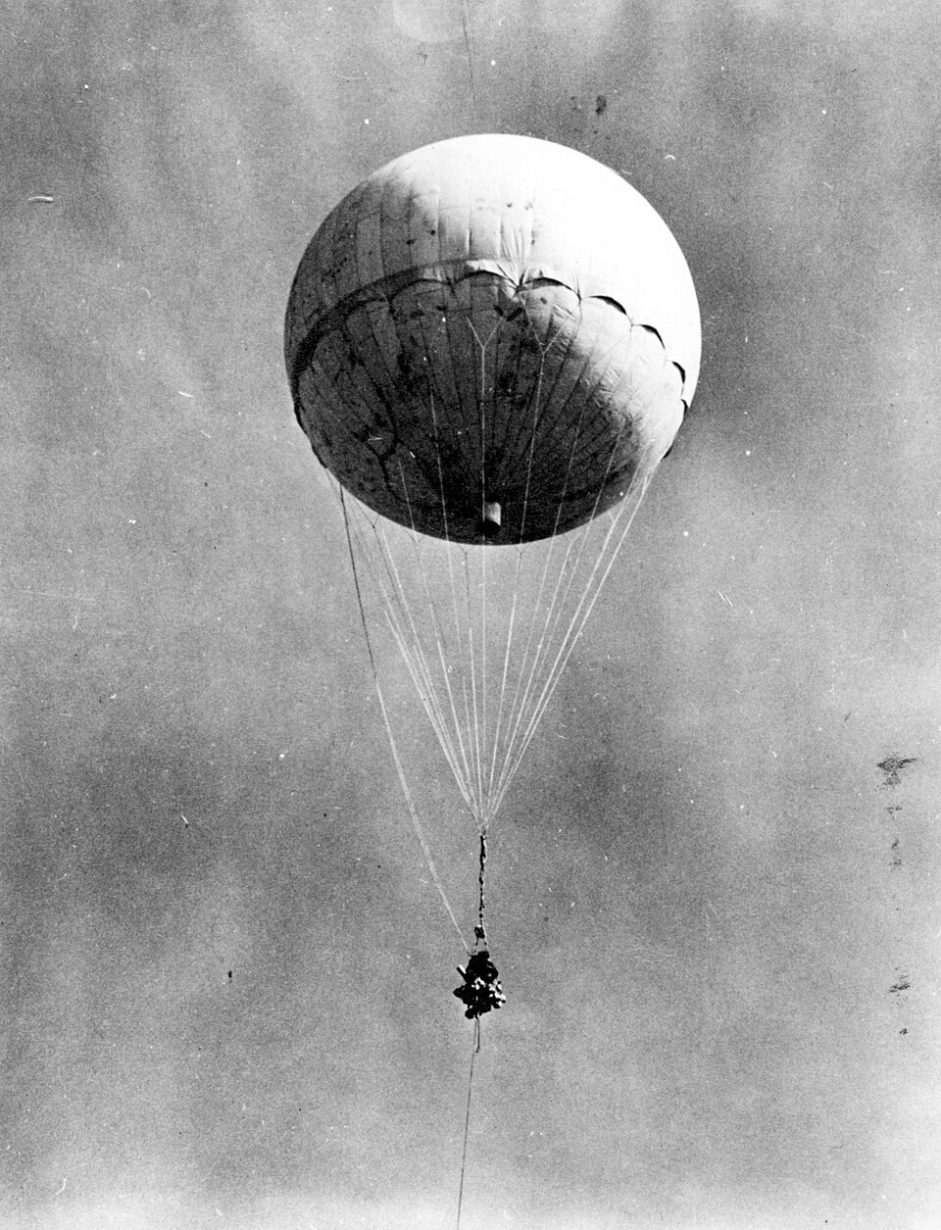
The bombs were small and the goal of the Fu-Go weapons was more to cause panic and fires than to deal significant damage. Only around 300 of these balloons actually made it to North America, with some landing in Canada as far east as Saskatchewan.
The Coast Militia Rangers
After the bombing of Pearl Harbour and as the Japanese took more territory in Southeast Asia, many residents of British Columbia feared that they might be the next target for Japanese invasion. Rugged, sparsely populated, yet close to important American military sites, such as the Seattle Boeing factory, British Columbia seemed like an easy target. The province was poorly defended with almost no anti-aircraft guns and few troops. Residents called for better defences and pressured the federal government to act. Not wanting to compromise the general war effort, the Department of National Defence opted to create home guard units. These units would allow men from essential industries and men who were too young or too old for military service to contribute to the country’s defence. The Pacific Coast Militia Rangers were thus officially formed on 14 March 1942. Men rushed to enlist – over 5000 signed up in the first few months and their numbers eventually reached 15,000.
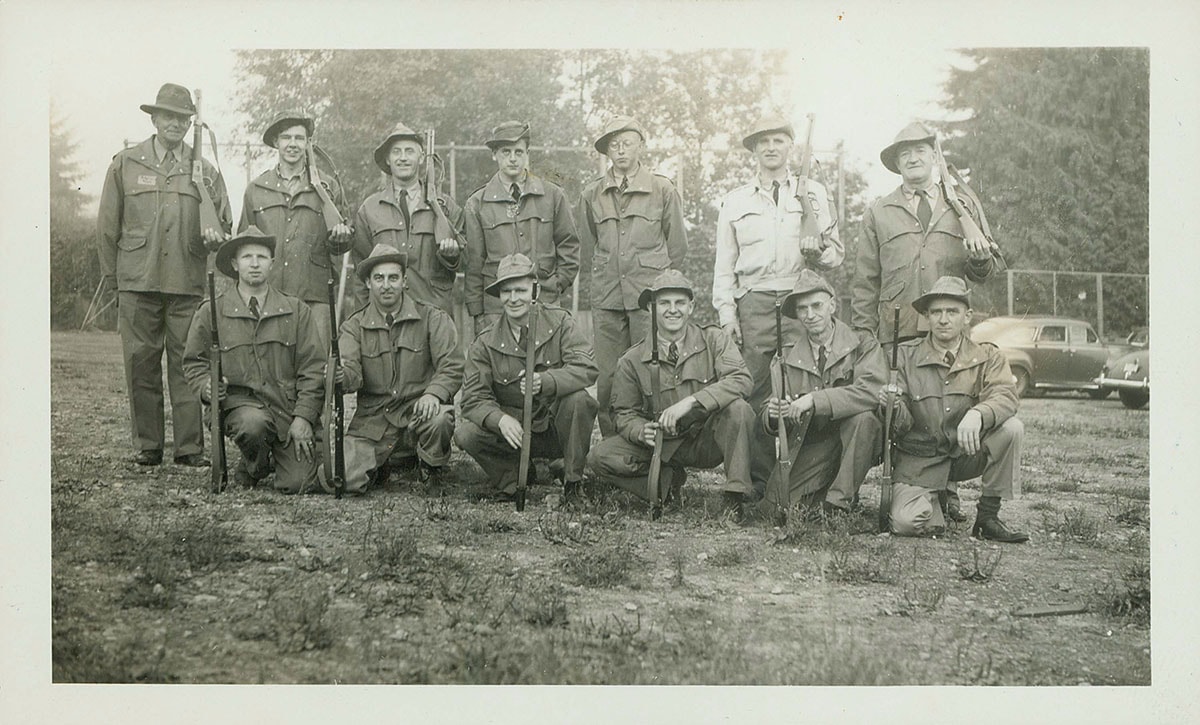
These Rangers were mostly loggers, miners, ranchers, hunters and trappers, men from the remote reaches of British Columbia, who knew the land. Most of them were white British Columbians, but local First Nations played an important role in many Ranger detachments, even forming some themselves. A few Chinese Canadians enrolled as well. Unlike other members of the Armed Forces, the PCMR did not have a strict hierarchy. Rather, they were organized into small, mobile groups that could cover large stretches of difficult terrain. Training was a challenge. Though many were already skilled with knives and firearms, they needed to learn ambush tactics, observation skills, mapping, and more. Some, who were close enough to urban centres, attended a Ranger Training Camp and brought the skills they learned back to their units. In other cases, a group of sergeant-instructors travelled through the province to provide instruction in remote areas. Finally, a monthly publication called The Ranger provided regular additional instruction. It featured articles such as: “What can you do with a tarp?”, “Know where to shoot” and “Edible plants of BC”.
The PCMR did not receive any pay, but they did, after the Japanese sent the first incendiary balloons to Canada, receive a standard-issue kit. These included a steel helmet, a “dry-bak” (type of water-resistant material) coat, armbands, “dry-bak” pants and a .303 rifle.
In case of invasion, the Rangers were intended as a first line of defence, a guerilla force that could sabotage, harass and slow the enemy, all while guiding regular Army units through the rough terrain. The PCMR never saw action, but they helped British Columbians feel safe while war was waging across the ocean.
Think: How might the experience of Canadians on the coast and in remote regions differ from those in other parts of Canada during the war? How do you think the forms of communication available at the time (newspapers, mail, radio) may have affected their perception of potential threats?
Forgotten Front: Canada in the Pacific War